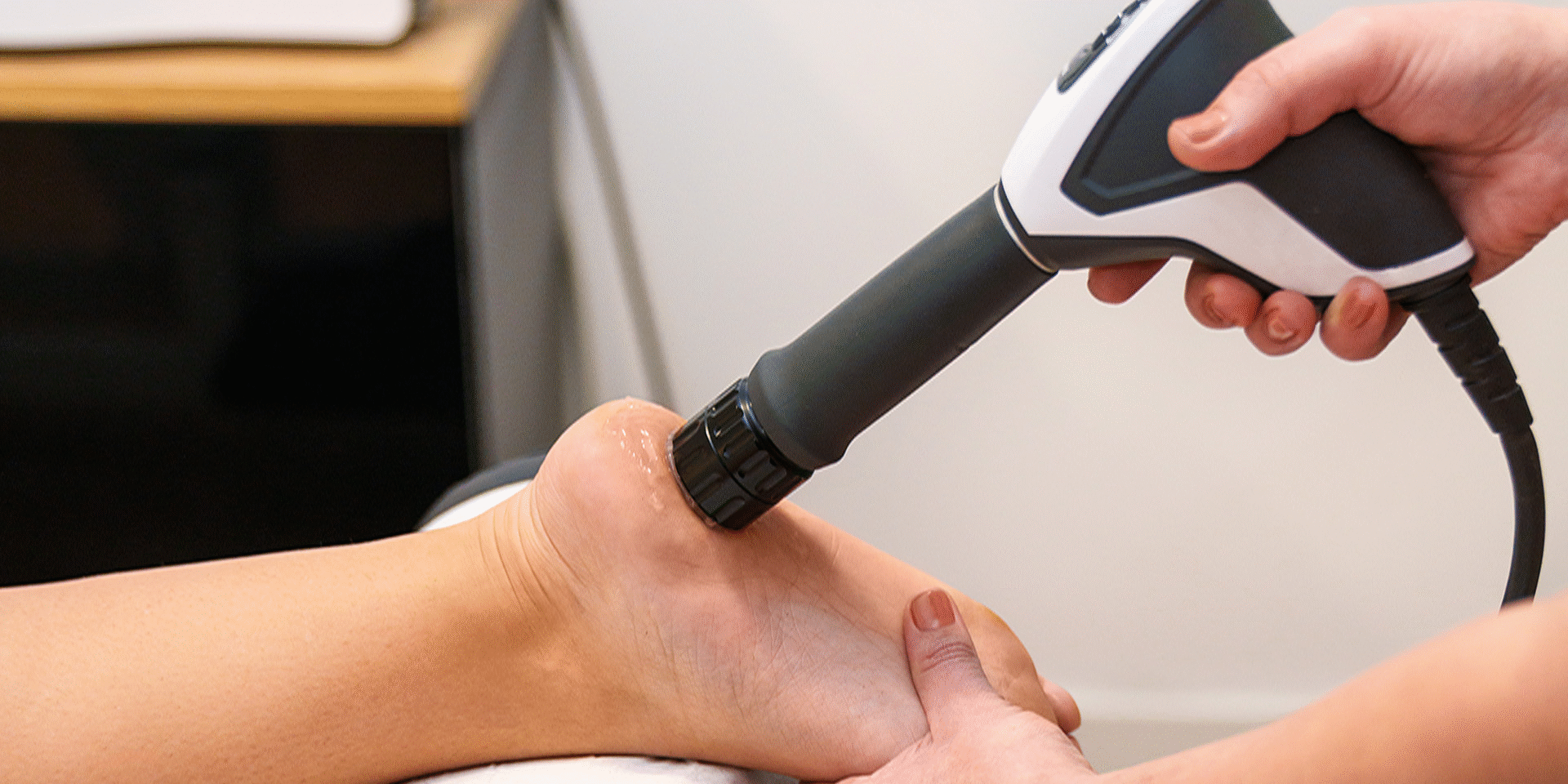
Plantar fasciitis is one of the most common causes of heel pain. Many people feel it first thing in the morning when they step out of bed. That sharp or stabbing pain under the heel can make walking uncomfortable and daily life frustrating. The good news is that plantar fasciitis is treatable, and most people recover without surgery by following the right care plan.
This article explains what plantar fasciitis is, why it happens, and the best treatment options available. Everything is explained in an easy and human way, so anyone can understand and apply it.
What Is Plantar Fasciitis?
Plantar fasciitis happens when the plantar fascia, a thick band of tissue at the bottom of your foot, becomes irritated or inflamed. This tissue connects your heel bone to your toes and supports the arch of your foot.
When too much pressure or stress is placed on this tissue, tiny tears can develop. Over time, these tears cause pain and stiffness, especially near the heel.
Common Symptoms of Plantar Fasciitis
People with plantar fasciitis often experience:
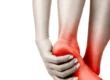
- Sharp pain under the heel
- Pain that is worse in the morning
- Discomfort after long periods of standing
- Pain after exercise (not usually during)
- Tightness in the foot or Achilles tendon
The pain may improve as you move, but it often returns later in the day.
What Causes Plantar Fasciitis?
Plantar fasciitis does not usually come from one single cause. It often develops due to repeated stress on the feet. Common causes include:
- Standing or walking for long hours
- Wearing shoes with poor support
- Flat feet or very high arches
- Tight calf muscles
- Sudden increase in physical activity
- Being overweight, which adds pressure to the feet
Understanding the cause helps choose the right treatment.
Best Treatment for Plantar Fasciitis
The treatment for plantar fasciitis focuses on reducing pain, relaxing the tissue, and preventing further damage. Most treatments are simple and can be done at home.
1. Rest and Reduce Foot Stress
One of the most important treatments is rest. Continuing activities that cause pain will only delay healing.
- Avoid long walks or standing
- Reduce high-impact exercises like running
- Choose low-impact activities such as swimming
Giving your foot time to heal is the first step toward recovery.
2. Stretching Exercises
Stretching helps loosen the plantar fascia and calf muscles. This reduces tension and pain.
Helpful stretches include:
- Calf stretches against a wall
- Foot stretches using a towel
- Rolling your foot over a ball or frozen water bottle
Stretching for just 5–10 minutes, twice a day, can make a big difference.
3. Ice Therapy for Pain Relief
Applying ice helps reduce inflammation and pain.
How to use ice therapy:
- Ice the heel for 15–20 minutes
- Do this 2–3 times a day
- Always wrap ice in a cloth to protect skin
This is especially helpful after walking or standing.
4. Wearing Supportive Shoes
Shoes play a huge role in plantar fasciitis treatment.
Good shoes should have:
- Strong arch support
- Cushioned soles
- Firm heel support
Avoid:
- Flat sandals
- Old worn-out shoes
- Walking barefoot on hard floors
Supportive footwear helps reduce stress on the plantar fascia.
5. Orthotic Inserts
Orthotic shoe inserts provide extra support and comfort.
They help by:
- Supporting the foot arch
- Distributing pressure evenly
- Reducing strain on the heel
Many people find relief using affordable over-the-counter inserts.
6. Night Splints
Night splints gently stretch the foot while you sleep. They keep the plantar fascia in a relaxed position, preventing morning pain.
Benefits include:
- Less heel pain in the morning
- Faster healing over time
Though uncomfortable at first, many users see strong results.
7. Massage Therapy
Foot massage improves blood flow and relaxes tight muscles.
Simple massage ideas:
- Use your thumbs to massage the heel
- Roll a tennis ball under your foot
- Apply gentle pressure for 5 minutes
Massage is a natural and soothing treatment option.
8. Anti-Inflammatory Treatments
Some people use over-the-counter pain relief methods to manage inflammation. These should be used carefully and only as needed.
Always follow usage instructions and avoid relying on them long-term without professional advice.
9. Physical Therapy
If pain continues, physical therapy may help.
A physical therapist can:
- Teach proper stretches
- Improve walking posture
- Strengthen foot and leg muscles
This approach treats the root cause, not just the pain.
10. Advanced Medical Treatments (If Needed)
In rare cases where pain lasts for many months, doctors may suggest advanced options such as injections or specialized procedures. Surgery is very uncommon and only considered when all other treatments fail.
How Long Does Plantar Fasciitis Take to Heal?
Most people recover within 6 to 12 months with consistent treatment. Improvement often begins within a few weeks if proper care is followed.
Patience is key. Plantar fasciitis heals slowly, but it does heal.
Preventing Plantar Fasciitis in the Future
To prevent it from coming back:
- Stretch your feet daily
- Replace worn-out shoes
- Maintain a healthy weight
- Avoid sudden increases in activity
- Use proper foot support
Prevention is much easier than treatment.
Frequently Asked Questions (FAQs)
1. Can plantar fasciitis heal on its own?
Yes, many cases heal on their own with rest, stretching, and proper footwear. However, ignoring pain can slow recovery.
2. Is walking good or bad for plantar fasciitis?
Light walking is okay, but too much walking or standing can worsen symptoms. Listen to your body.
3. What shoes are best for plantar fasciitis?
Shoes with arch support, cushioning, and a firm heel are best. Athletic or orthopedic shoes work well.
4. Does plantar fasciitis cause permanent damage?
No, it rarely causes permanent damage if treated properly and early.
5. Should I see a doctor for plantar fasciitis?
If pain lasts longer than a few weeks or becomes severe, seeing a healthcare professional is recommended.
Final Thoughts
Plantar fasciitis can be painful, but it is highly treatable. With the right combination of rest, stretching, supportive footwear, and patience, most people return to normal activities without lasting problems.
The key is to act early, stay consistent, and care for your feet daily. Your feet support you every day—giving them proper treatment makes all the difference.