Flat feet occur when the arches of the feet sit low or touch the ground during standing and walking. Some people have flat feet from childhood, while others develop them over time due to aging, injury, weight changes, or tendon strain. Flat feet do not always cause problems, but they can affect foot alignment by changing how pressure affects the ankles and legs. Here’s information on common reasons flat feet happen and how to manage them:
Stretching Your Feet
Flat feet can have several causes; sometimes people are born with arches that never fully develop, and others lose arch support later in life. Footwear can also impact the arches of the feet. Shoes with poor structure may not provide enough support for people with low arches, potentially exacerbating foot issues.
Stretching often helps reduce tightness in the feet and lower legs, and it may improve your comfort while walking or standing. Tight calf muscles and stiff tissues along the bottom of the foot can place added stress on the arch. A simple routine done regularly can support your mobility and reduce symptoms caused by flat feet. Some useful feet stretches include:
- Seated Calf Stretches
- Standing Calf and Achilles Tendon Stretches
- Toe Curls With a Towel
- Gentle Arch Stretches While Seated
- Rolling the Foot Over a Firm Ball
Hold each stretch for 20 to 30 seconds, and repeat it two or three times per side. Stop if a movement increases pain. Start with a few repetitions, and increase slowly.
It may be time to see a foot and ankle specialist if you have ongoing foot pain and swelling. If you notice changes in your walking gait or if one foot looks different from the other, you should contact a medical specialist. You should also schedule an evaluation if symptoms interfere with work, exercise, or daily tasks. A specialist can examine your foot structure and review movement patterns to discuss supportive management options.
Icing Your Feet
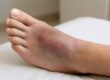
Ice therapy is often recommended after long periods of standing, walking, or exercise when the feet feel irritated or tired. Icing your feet may help manage soreness after daily physical activities. Wrap an ice pack in a thin cloth, and place it on the sore area for 15 to 20 minutes at a time. Do not place ice directly on bare skin. If your symptoms continue or worsen, seek professional advice.
Using Custom Orthotics
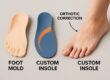
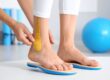
Custom orthotics are inserts that match the shape and support needs of your foot. Before prescribing orthotics, a foot and ankle specialist will assess your health and foot structure to determine if they are an effective treatment option. Orthotics are often used to improve shoe fit, distribute pressure more evenly, and support walking mechanics.
A clinician may recommend them when over-the-counter inserts do not provide enough support or when foot alignment needs closer control. Surgery may be recommended in select cases when symptoms are persistent, function is limited, and non-surgical options have not provided enough relief. The decision usually depends on the cause of the flatfoot and the severity of the structural changes.
Effectively Support Flat Feet
When managing flat feet concerns, start with supportive footwear, add a simple stretching routine, and track which methods improve comfort over time. At-home efforts can help manage symptoms, but some conditions need medical attention. If your foot symptoms are persistent, a foot and ankle specialist can assess you and develop an appropriate management plan.