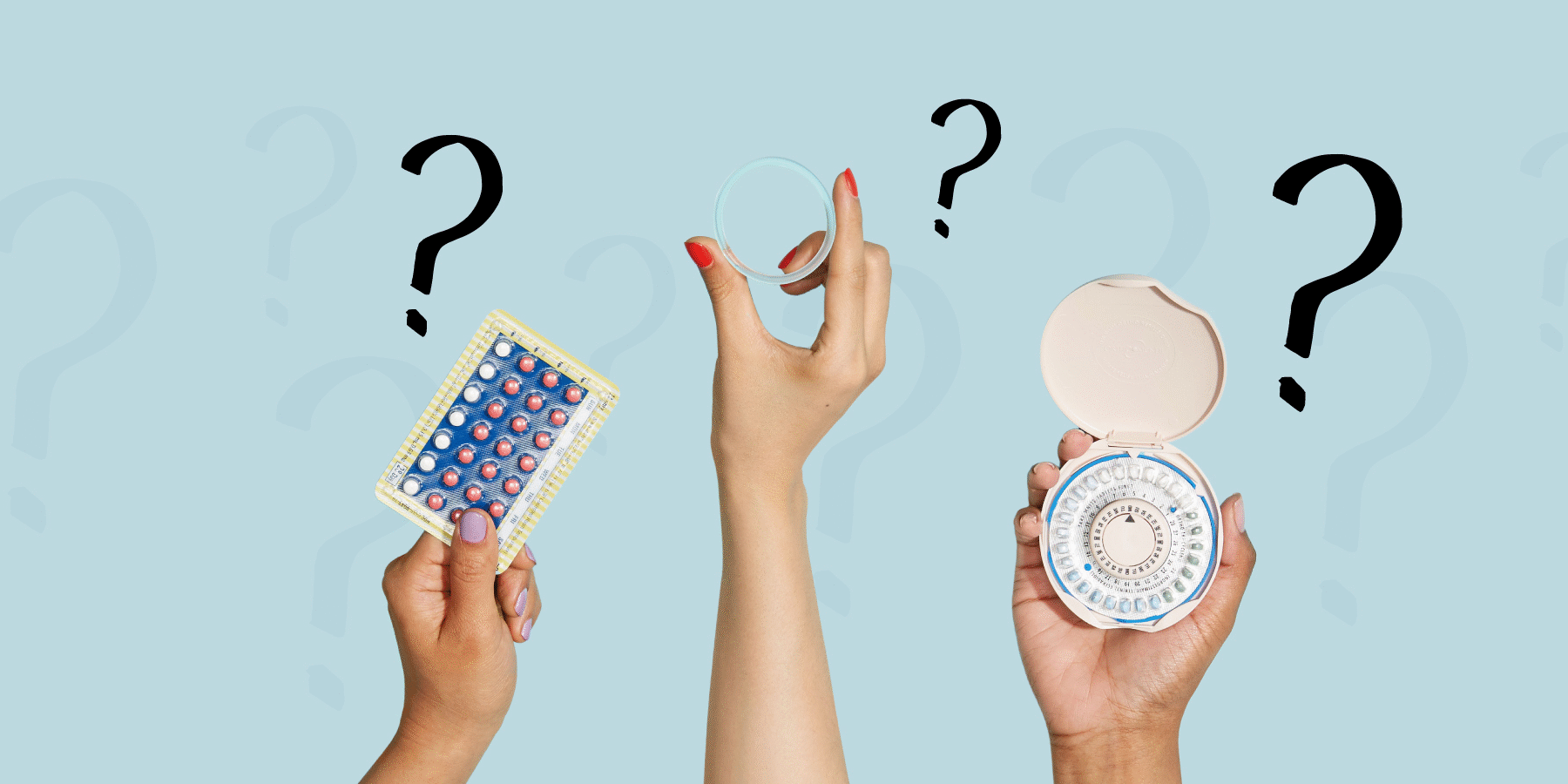
Choosing the right birth control can feel confusing at first. There are many options, different methods, and a lot of information online that can make things overwhelming. The good news is that birth control is not one-size-fits-all. There are many safe and effective choices, and understanding them makes it easier to decide what works best for your body and lifestyle.
In this article, birth control options are explained in a clear and simple way, so you can make informed decisions with confidence.
What Is Birth Control?
Birth control, also called contraception, is any method used to prevent pregnancy. Some methods also help with menstrual pain, acne, or hormone balance. Others can protect against sexually transmitted infections (STIs).
Birth control works in different ways:
- Preventing sperm from reaching an egg
- Stopping ovulation (release of an egg)
- Changing the lining of the uterus
- Blocking or killing sperm
Understanding how each option works helps you choose what fits your needs.
Hormonal Birth Control Options
Hormonal birth control uses hormones (usually estrogen, progestin, or both) to prevent pregnancy. These methods are very effective when used correctly.
1. Birth Control Pills
Birth control pills are taken once a day. They stop ovulation and make it harder for sperm to reach an egg.
Pros:
- Very effective
- Can reduce period pain
- Helps with acne
- Regulates periods
Cons:
- Must be taken daily
- Can cause nausea or mood changes
- Does not protect against STIs
There are two main types: combination pills (estrogen + progestin) and progestin-only pills.
2. Birth Control Patch
The patch is worn on the skin and changed once a week. It releases hormones into the body.
Pros:
- Only changed weekly
- Easy to use
- Regulates periods
Cons:
- May cause skin irritation
- Visible on the body
- Less effective for people over a certain weight
3. Birth Control Shot
The birth control shot is given every three months by a healthcare provider.
Pros:
- Very effective
- No daily action needed
- Can stop periods over time
Cons:
- Requires clinic visits
- Delayed return to fertility
- Possible weight gain
4. Vaginal Ring
The vaginal ring is placed inside the vagina for three weeks, then removed for one week.
Pros:
- Monthly use
- Low hormone dose
- Not visible
Cons:
- Needs comfort with insertion
- May cause discharge
- Does not protect against STIs
Long-Acting Reversible Contraceptives (LARC)
These methods last for years and are among the most effective birth control options.
5. IUD (Intrauterine Device)
An IUD is a small device placed in the uterus. There are hormonal and non-hormonal types.
Hormonal IUD:
- Lasts 3–8 years
- Reduces heavy periods
Copper IUD:
- Hormone-free
- Lasts up to 10 years
- May cause heavier periods at first
Pros:
- Over 99% effective
- Low maintenance
- Long-term protection
Cons:
- Insertion discomfort
- Requires a medical procedure
6. Birth Control Implant
The implant is a small rod placed under the skin of the arm.
Pros:
- Works for up to 3 years
- Extremely effective
- No daily effort
Cons:
- Irregular bleeding
- Requires minor procedure
Barrier Birth Control Methods
Barrier methods stop sperm from reaching the egg. Some also protect against STIs.
7. Condoms (Male and Female)
Condoms are one of the most common birth control options.
Pros:
- Protect against STIs
- Easy to use
- No hormones
Cons:
- Must be used every time
- Can break or slip if used incorrectly
Condoms are the only method that protects against both pregnancy and STIs.
8. Diaphragm and Cervical Cap
These are placed inside the vagina to block sperm from entering the uterus.
Pros:
- Hormone-free
- Used only during sex
Cons:
- Must be fitted by a doctor
- Less effective than other methods
Natural Birth Control Methods
These methods involve tracking fertility signs and avoiding sex during fertile days.
9. Fertility Awareness Methods
This includes tracking:
- Menstrual cycle
- Body temperature
- Cervical mucus
Pros:
- No hormones
- Low cost
Cons:
- Requires daily tracking
- Less effective if not done correctly
10. Withdrawal Method
This method involves pulling out before ejaculation.
Pros:
- No cost
- No hormones
Cons:
- High failure rate
- Requires perfect timing
Emergency Birth Control
Emergency contraception can prevent pregnancy after unprotected sex.
11. Emergency Pills
Often called the “morning-after pill,” these work best when taken within 3–5 days.
Important note:
Emergency birth control is not an abortion pill.
Permanent Birth Control Options
These are for people who are sure they do not want children in the future.
12. Sterilization
- Tubal ligation (for women)
- Vasectomy (for men)
Pros:
- Permanent
- Very effective
Cons:
- Not reversible in most cases
How to Choose the Right Birth Control
When choosing a birth control method, consider:
- Your health
- Lifestyle
- Future pregnancy plans
- Comfort level
- Side effects
- Protection against STIs
Talking to a healthcare provider can help you decide.
FAQs: Birth Control Options Explained
1. What is the most effective birth control method?
IUDs and implants are over 99% effective, making them the most reliable options.
2. Can birth control cause weight gain?
Some hormonal methods may cause slight weight changes, but most people do not experience major weight gain.
3. Which birth control protects against STIs?
Only condoms protect against sexually transmitted infections.
4. Is birth control safe for long-term use?
Yes, most birth control methods are safe for long-term use when monitored by a healthcare provider.
5. Can I stop birth control anytime?
Yes. Most methods can be stopped at any time, and fertility usually returns quickly.
Final Thoughts
Understanding birth control does not have to be stressful. With so many options available, there is something for almost everyone. By learning how each method works, you can make choices that support your health, comfort, and future plans.
If you are unsure, speaking with a healthcare professional is always the best next step. Knowledge is power, and informed choices lead to better health and peace of mind.