An ingrown toenail may sound like a small problem, but anyone who has had one knows how painful and frustrating it can be. It can make walking uncomfortable, wearing shoes difficult, and daily life annoying. The good news is that there are several effective ingrown toenail removal options, ranging from simple home care to professional medical treatments.
This article explains what an ingrown toenail is, why it happens, and the different ways it can be treated or removed. Whether your problem is mild or severe, understanding your options can help you choose the right solution and prevent future issues.
What Is an Ingrown Toenail?
An ingrown toenail happens when the edge or corner of a toenail grows into the surrounding skin instead of over it. This most often affects the big toe. As the nail digs into the skin, it can cause redness, swelling, pain, and sometimes infection.
Common signs of an ingrown toenail include:
- Pain along one or both sides of the nail
- Red or swollen skin
- Warmth around the toe
- Pus or fluid (a sign of infection)
- Difficulty walking or wearing shoes
If left untreated, an ingrown toenail can worsen and lead to serious infections, especially for people with diabetes or poor circulation.
Why Do Ingrown Toenails Happen?
Understanding the cause can help prevent future problems. Some common reasons include:
- Improper nail trimming (cutting nails too short or rounding the edges)
- Tight shoes or socks that press the nail into the skin
- Injury to the toe, such as stubbing it
- Genetics, where nails naturally curve more
- Poor foot hygiene
- Excessive sweating, which softens the skin
Ingrown Toenail Removal Options
There is no single solution that works for everyone. The right treatment depends on how severe the ingrown toenail is and whether there is an infection.
1. Home Care for Mild Ingrown Toenails
If the ingrown toenail is mild and not infected, home treatment may be enough.
Common home care methods include:
- Soaking the foot in warm water for 15–20 minutes, 2–3 times a day
- Adding salt or mild soap to the water
- Gently lifting the nail edge and placing a small piece of cotton or dental floss under it
- Wearing open-toed or loose shoes
- Keeping the foot clean and dry
These methods can reduce swelling and help the nail grow correctly over time. However, home care should stop if pain increases or signs of infection appear.
2. Over-the-Counter Treatments
Many pharmacies sell products designed to relieve ingrown toenail discomfort. These include:
- Antibacterial ointments
- Toe protectors or cushions
- Nail softening solutions
- Pain-relief creams
These products do not remove the nail, but they can ease symptoms and support healing when combined with proper foot care.
3. Professional Nail Trimming
Sometimes the best option is simply having a trained professional handle the nail. A podiatrist (foot doctor) can safely trim the nail without causing further damage.
This option is ideal for:
- Elderly individuals
- People with diabetes
- Those who cannot safely trim their own nails
- Early-stage ingrown toenails
Professional trimming reduces pain and lowers the risk of infection.
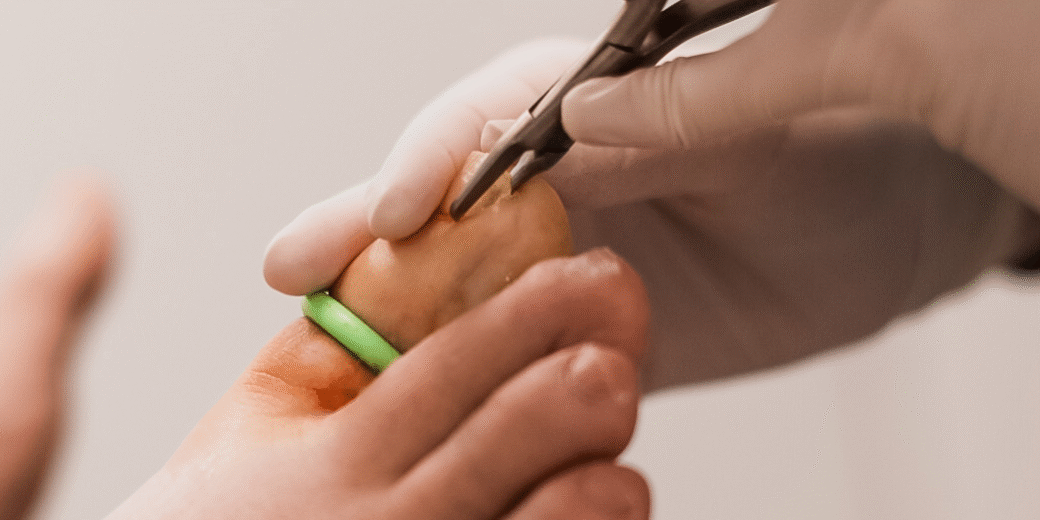
4. Partial Toenail Removal
When home care fails or pain becomes severe, partial toenail removal is one of the most common ingrown toenail removal options.
How it works:
- A doctor numbs the toe with local anesthesia
- Only the ingrown part of the nail is removed
- The surrounding skin is cleaned and treated
- Sometimes a chemical is applied to prevent regrowth
This procedure is quick, usually taking less than 30 minutes, and relief is often immediate.
5. Total Toenail Removal
In severe or recurring cases, a doctor may recommend total toenail removal.
This option may be needed when:
- The entire nail is infected
- Ingrown toenails keep returning
- The nail is badly damaged
The nail may or may not grow back depending on the treatment method used. While this sounds extreme, many patients report significant long-term relief.
6. Laser Ingrown Toenail Treatment
Laser treatment is a modern and effective option for chronic ingrown toenails.
Benefits include:
- Minimal bleeding
- Reduced infection risk
- Faster healing
- Long-lasting results
The laser removes the problematic nail portion and prevents regrowth. This option may cost more but is popular for people with repeated ingrown toenails.
7. Antibiotics for Infected Toenails
If infection is present, antibiotics may be prescribed alongside nail removal.
Signs of infection include:
- Pus
- Fever
- Spreading redness
- Severe pain
Antibiotics alone do not fix the nail problem, but they help control infection during healing.
Recovery After Ingrown Toenail Removal
Recovery time depends on the type of treatment used.
General healing tips:
- Keep the toe clean and dry
- Change bandages as instructed
- Avoid tight shoes
- Rest the foot when possible
- Watch for signs of infection
Most people can return to normal activities within a few days to a week.
How to Prevent Ingrown Toenails
Prevention is always better than treatment.
Simple prevention tips:
- Cut toenails straight across
- Do not cut nails too short
- Wear properly fitting shoes
- Keep feet clean and dry
- Avoid picking or tearing nails
These habits greatly reduce the risk of future ingrown toenails.
FAQs About Ingrown Toenail Removal Options
1. Can an ingrown toenail heal on its own?
Yes, mild cases can heal with proper home care. However, worsening pain or infection means professional treatment is needed.
2. Is ingrown toenail removal painful?
The procedure itself is not painful because the toe is numbed. Some soreness may occur afterward, but it is usually mild.
3. How long does it take to heal after toenail removal?
Healing typically takes 1–2 weeks for partial removal and slightly longer for full removal.
4. Can an ingrown toenail come back after removal?
Yes, but treatments like chemical or laser procedures reduce the chance of regrowth.
5. Should I see a doctor for an ingrown toenail?
Yes, especially if there is infection, severe pain, diabetes, or repeated ingrown toenails.
Final Thoughts
Ingrown toenails are common but highly treatable. With the right ingrown toenail removal options, relief is possible, and long-term problems can be avoided. From simple home care to advanced medical procedures, choosing the right approach depends on your symptoms and overall health.
If pain persists or infection develops, professional care is always the safest choice. Healthy feet support a healthy, active life—so don’t ignore the signs.