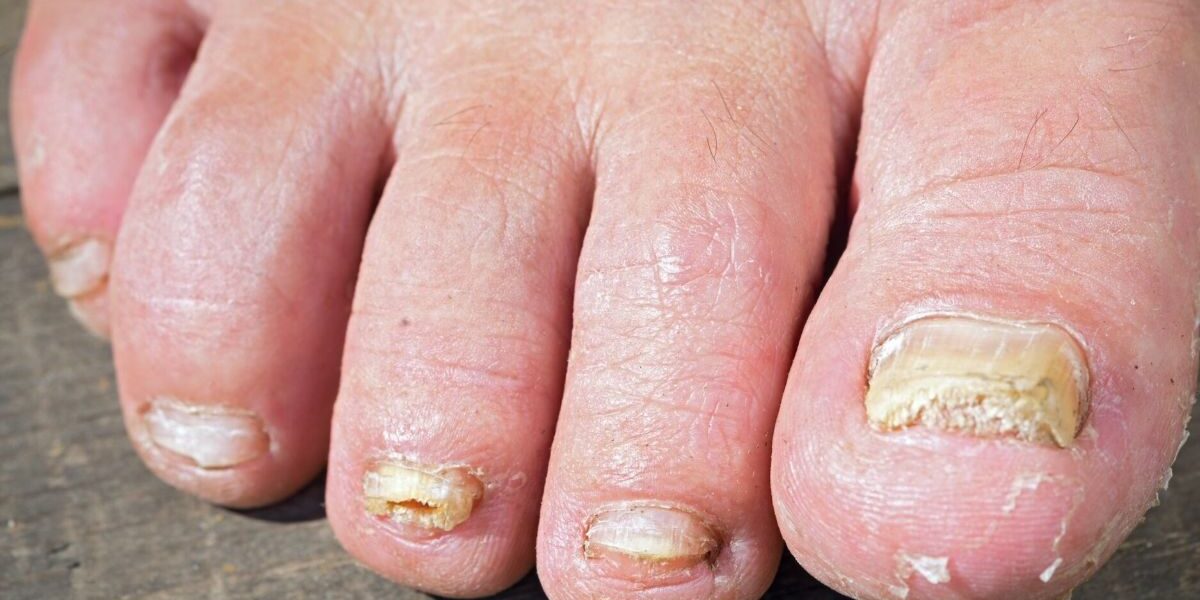
Fungal nails develop when fungi grow under or around the nail, often causing discoloration, thickening, brittleness, or changes in nail shape. Prevention may involve keeping the feet clean and dry, wearing breathable footwear, and avoiding shared nail tools. Here are some ways to prevent fungal nails:
Practice Foot Hygiene
Clean feet often resist infections naturally. Patients must adopt hygiene habits, and they should practice them daily. Fungi that cause fungal nails can multiply rapidly on unwashed skin, making regular cleaning a fundamental practice. Here are key foot hygiene tips:
- Daily washing: Wash your feet with soap every day, and dry them thoroughly. A dry foot can prevent the organisms from growing.
- Proper inspection: Regularly check your toes for discoloration. Identifying signs of infection early provides a helpful advantage that enables prompt intervention.
- Clean socks: Wear fresh socks daily. Dirty socks trap moisture against your skin, which feeds the infection.
These basic habits form the foundation of foot health. Cleanliness is a key factor in preventing nail fungus, and it requires minimal effort.
Control Foot Moisture
Moisture creates a breeding ground for fungal nails. You can apply foot powder to absorb excess sweat; this prevents the area from becoming damp. Sweaty feet provide the conditions that fungi need to multiply. Footwear plays a key role in moisture management; you should choose shoes made of breathable materials. Pay close attention to the spaces between your toes, and make sure no water remains trapped there. You must dry your feet immediately after you leave the water.
Protect Feet in Public Spaces
Public areas expose your feet to the possibility of fungal nails. You must incorporate protective measures whenever you are in public spaces. Here are tips for protecting your feet:
- Protective footwear: Wear water shoes in communal showers. Do not walk barefoot on gym floors; always keep your feet covered.
- Surface awareness: Avoid sitting on wet benches. You should place a clean towel down first and inspect the area carefully.
- Equipment sharing: Bring your own tools to nail salons. You can also use the salon’s tools, but make sure the staff sterilizes their instruments properly.
Awareness in shared areas is a helpful habit that preserves your foot health.
Maintain Nail Care and Safety
Proper trimming techniques prevent damage to the nail bed. You should cut your toenails straight across, and you should avoid trimming them too short. Short nails create small cuts in the skin, which provide fungi with an easy entry point.
Disinfecting your nail clippers helps to remove lingering spores. Rubbing alcohol cleans metal surfaces effectively, preventing organisms from surviving. Artificial nails trap moisture against the natural nail. You should also limit the use of polish, and you must allow your nails to breathe regularly. Trapped moisture creates a perfect environment for nail fungus to thrive.
Book Your Fungal Nails Appointment
Proper nail hygiene prevents infections and also promotes overall nail health and strength. Along with keeping your tools clean and allowing your nails to breathe, maintaining a balanced diet rich in key nutrients can significantly improve nail growth and strength. Contact a qualified podiatrist in your area to book your appointment for fungal nails today.