The arch of the foot serves as a natural support structure. It helps to distribute body weight and absorb the impact of each step. This arch is reduced or absent for some people, a condition commonly referred to as flat feet. Many individuals with this affliction experience no difficulties, but others may notice discomfort or changes in how their feet feel during daily activity. Understanding this condition can help you learn about the options available for managing it.
What Are Flat Feet?
Flat feet describe a foot structure with little or no visible arch along the inner edge. In a typical foot, a gentle curve lifts the middle portion of the sole away from the ground. That curve is minimal or missing with flat feet, so the entire sole tends to make contact with the surface when standing.
This structure is often linked to a pattern known as overpronation, occurring when the feet roll inward more than usual. The condition can be present from childhood, when arches fail to develop fully, or it may appear later in life as tendons and ligaments stretch or weaken over time. Some people are unaware they have flat feet until a routine examination or the onset of symptoms brings attention to it.
What Effect Do They Have?
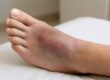
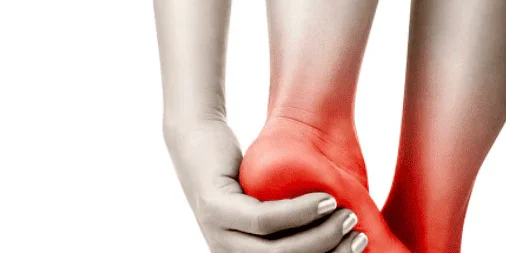
The effects of flat feet vary widely from one person to another. Many people carry on with normal routines and feel no noticeable difference; for others, the lack of arch support may stress muscles, tendons, and ligaments. This altered alignment can contribute to several types of discomfort, including in the feet, lower legs, and lower back. Beyond general discomfort, this affliction may play a role in the development of certain related conditions. These can include plantar fasciitis, an irritation of the tissue running along the bottom of the foot, and bunions, bony bumps that form at the base of the big toe.
How Are They Managed?
Approaches to managing flat feet generally depend on the degree of the condition and the symptoms a person experiences. In many situations, conservative measures provide meaningful relief and form the starting point of care. Common options include:
- Activity modification, which involves adjusting movements that tend to worsen discomfort
- Stretching and strengthening exercises that target the muscles and tissues of the foot and lower leg
- Footwear designed with built-in arch support and cushioning
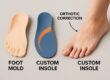
- Orthotic inserts to add structure inside the shoe
When these methods do not bring adequate relief or when symptoms worsen, a healthcare provider may suggest advanced interventions. Medication is sometimes used to address pain and inflammation. Physical therapy involves a structured program of movement and strengthening; bracing or taping techniques may offer extra support during activity. In select cases involving significant pain or limited mobility, surgical procedures aimed at correcting the foot structure can be discussed. The right strategy depends on individual needs and a careful evaluation of the foot.
Speak Further With a Podiatrist
A podiatrist is a medical professional who focuses on the health of the feet and ankles, making them a helpful resource for anyone wondering about flat feet. Scheduling a visit is worthwhile if you notice ongoing pain, swelling, redness, or difficulty completing everyday tasks because of your feet. Early attention can help clarify what is happening, and it helps you seek suitable management options before discomfort grows.