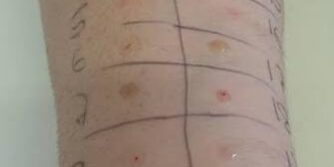
Allergy testing is a medical process that identifies which substances trigger an immune response in your body. An allergist performs or orders these tests, and common panels check for reactions to pollen, foods, and certain medications. Here are some things to know about allergy testing:
Understanding Allergy Symptoms
When your immune system mistakes a harmless substance for a threat, it releases chemicals like histamine. These chemicals produce the symptoms you notice. Reactions vary by person and by trigger, but common symptoms include:
- Nose and sinuses: sneezing, congestion, runny nose
- Eyes: itching, redness, watering
- Skin: hives, swelling, rash, eczema flares
- Lungs: coughing, wheezing, chest tightness
- Digestive tract: nausea, vomiting, or cramps after eating certain foods
Tracking when symptoms start and how long they last can help you recognize triggers. Seasonal patterns often point to pollen, while year-round symptoms may indicate dust mites, mold, or pets. Some reactions require emergency care. Anaphylaxis involves throat swelling, trouble breathing, dizziness, or a drop in blood pressure. Call 911 right away if these signs develop.
Preparing for Allergy Testing
Understanding how to prepare for allergy testing can help you get accurate results and make the process smoother. Antihistamines block the skin reactions that skin tests measure, so allergists typically ask patients to stop them several days before testing. This includes over-the-counter products and some cold and sleep aids. Other medications may also interfere. Do not stop a prescription medication on your own; ask the prescribing doctor first. Plan for the first appointment to take a couple of hours. It usually includes a history review, a physical exam, and testing.
Reviewing Test Types
Your allergist selects an allergy test based on your symptoms, medical history, and current medications. Testing options include:
- Skin prick test: A nurse places drops of allergen extract on your forearm or back, then lightly pricks the skin beneath each drop. After several minutes, the allergist checks for raised, red bumps. A positive result shows sensitivity, but it does not always mean you will react in daily life.
- Intradermal test: This test injects a small amount of allergen just under the skin. Allergists often use it for insect venom or penicillin, or when a prick test is negative but symptoms persist.
- Patch test: Patch testing looks for delayed reactions that cause contact dermatitis. Patches containing substances such as nickel, fragrances, or preservatives stay on your back for a couple of days, and you need to keep the area dry. Results are read at removal and again a few days later.
- Blood test: This test measures allergen-specific antibodies. It suits people who are unable to pause antihistamines or who have widespread skin conditions.
Visit an Allergist Today
Allergy testing gives you and your doctor specific information about possible triggers. Each test type serves a defined purpose, and your allergist will explain which one fits your situation. Gather your symptom log and medication list before you call. Some offices require a referral from a primary care doctor, while others accept direct bookings. Schedule an appointment with a board-certified allergist today.