Dry eye syndrome is a common condition that affects millions of people around the world. It occurs when your eyes do not produce enough tears or when the quality of tears is poor, leading to dryness, irritation, and sometimes even vision problems. Although it might seem like a minor issue, untreated dry eyes can cause significant discomfort and affect your daily life. Fortunately, there are many treatments available, ranging from lifestyle changes to medical therapies. This article explores the causes, symptoms, and most effective treatments for dry eye syndrome in a simple, easy-to-understand way.
Understanding Dry Eye Syndrome
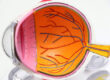
Before diving into treatment options, it’s important to understand what dry eye syndrome is and why it happens. Your eyes rely on tears to stay moist, protect against infections, and provide clear vision. Tears are made up of three layers: oil, water, and mucus. If any of these layers are not produced properly, your eyes can become dry.
Common causes of dry eye syndrome include:
- Aging – Tear production tends to decrease as we get older.
- Environmental factors – Wind, smoke, dry air, and prolonged screen use can contribute.
- Medical conditions – Diseases such as diabetes, rheumatoid arthritis, or thyroid problems can affect tear production.
- Medications – Some antihistamines, blood pressure medicines, and antidepressants can reduce tear production.
- Hormonal changes – Especially in women during menopause.
Symptoms of dry eye syndrome vary but often include stinging, burning, redness, blurred vision, and a feeling of something in the eye.
Lifestyle Changes for Relief
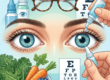
For many people, simple lifestyle adjustments can significantly relieve symptoms of dry eyes. These measures are often the first step before trying medical treatments:
- Frequent Breaks from Screens – Spending long hours on computers or phones reduces blinking, which is essential for keeping eyes moist. Try the 20-20-20 rule: every 20 minutes, look at something 20 feet away for 20 seconds.
- Humidifiers – Using a humidifier in dry indoor environments can help maintain moisture in the eyes.
- Wearing Sunglasses – Wraparound sunglasses can protect your eyes from wind and sun, reducing dryness.
- Stay Hydrated – Drinking enough water is essential for overall body and eye health.
- Dietary Adjustments – Foods rich in omega-3 fatty acids, like salmon, flaxseeds, and walnuts, can improve tear quality.
Over-the-Counter Treatments
If lifestyle changes aren’t enough, over-the-counter (OTC) treatments can provide additional relief. Some of the most common options include:
- Artificial Tears – These lubricating eye drops are designed to mimic natural tears and provide temporary relief. They are available in both preservative and preservative-free forms.
- Lubricating Gels and Ointments – These are thicker than drops and provide longer-lasting relief, especially at night.
- Eye Washes – Some rinses can help remove allergens or debris that may contribute to irritation.
It’s important to choose the right type of product for your specific symptoms and consult a pharmacist or eye specialist if unsure.
Prescription Medications
When OTC treatments aren’t effective, a doctor may prescribe medications to treat dry eye syndrome:
- Anti-inflammatory Eye Drops – Medications such as cyclosporine (Restasis) or lifitegrast (Xiidra) help reduce inflammation and increase tear production.
- Steroid Eye Drops – Short-term use of steroid drops can reduce inflammation during severe flare-ups.
- Punctal Plugs – These small devices are inserted into the tear ducts to block drainage, helping tears stay longer on the surface of the eye.
Prescription treatments are usually tailored to the severity of your condition and monitored by an eye specialist.
Advanced Treatments
For chronic or severe dry eye syndrome, advanced therapies may be considered:
- Intense Pulsed Light Therapy (IPL) – Originally used for skin conditions, IPL can help improve meibomian gland function, which produces the oil layer of tears.
- Autologous Serum Eye Drops – These are made from your own blood and contain natural growth factors that help heal the surface of the eye.
- Scleral Lenses – Special contact lenses that create a protective layer over the eyes, keeping them hydrated for extended periods.
These treatments are usually recommended for patients who do not respond to traditional therapies.
Home Remedies to Support Eye Health
In addition to medical treatments, certain home remedies can support eye hydration:
- Warm Compresses – Placing a warm cloth over your closed eyes can help unblock glands and improve oil flow in tears.
- Eyelid Massage – Gently massaging the eyelids can help stimulate natural oil production.
- Limit Irritants – Reducing exposure to smoke, dust, and harsh chemicals can minimize dryness.
Consistency is key; regular care often provides better results than occasional treatment.
Preventing Dry Eye Syndrome
While treatment is essential, prevention is equally important. Here are some practical tips:
- Take frequent breaks during screen use.
- Avoid direct air from fans or air conditioners on your eyes.
- Maintain a balanced diet rich in essential vitamins and omega-3 fatty acids.
- Follow your doctor’s advice regarding medications that may affect tear production.
- Attend regular eye check-ups to detect issues early.
By incorporating preventive measures, you can reduce the likelihood of chronic dry eye problems.
Frequently Asked Questions (FAQs)
1. Can dry eye syndrome go away on its own?
In mild cases, lifestyle adjustments and environmental changes can improve symptoms. However, persistent dry eyes usually require treatment to prevent complications.
2. Are artificial tears safe for daily use?
Yes, preservative-free artificial tears are safe for frequent use. Drops with preservatives should be used less often to avoid irritation.
3. How long does it take for prescription drops to work?
Anti-inflammatory drops like cyclosporine may take several weeks to show improvement. It’s important to use them consistently as prescribed.
4. Can contact lenses worsen dry eyes?
Yes, certain contact lenses can reduce oxygen flow and increase dryness. Special lenses or shorter wear times may help.
5. Is dry eye syndrome related to aging?
Aging is a common factor because tear production decreases over time, but young people can also develop dry eyes due to lifestyle or medical conditions.
Conclusion
Dry eye syndrome is more than just a minor irritation; it can affect your vision and daily comfort. The good news is that there are many effective treatments available, from simple lifestyle changes and over-the-counter products to prescription medications and advanced therapies. The key is to identify the cause of your dry eyes and choose the appropriate treatment. Regular care, preventive measures, and consultation with an eye specialist can help you maintain healthy, comfortable eyes for life.