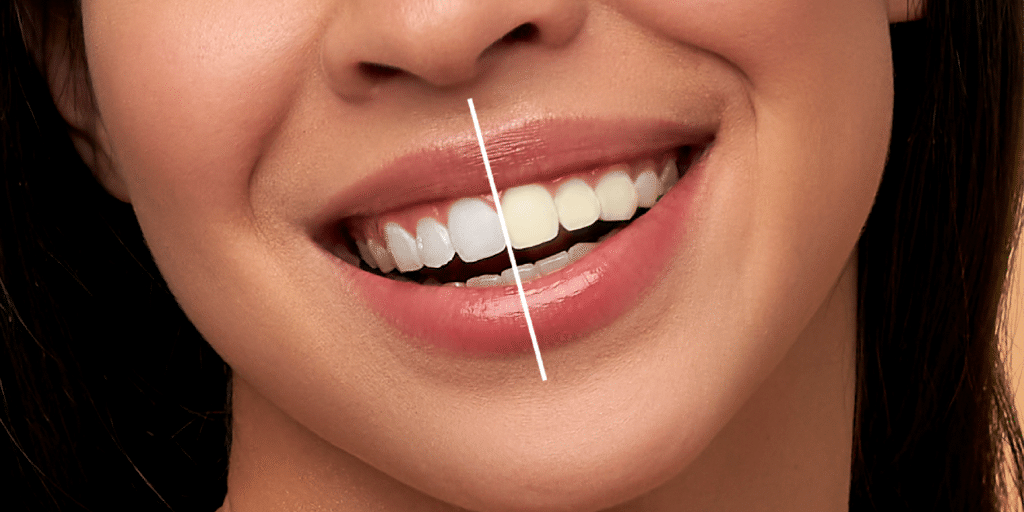
A bright, white smile is often associated with confidence, youth, and good health. But with countless teeth whitening products and methods available today, choosing the right option can feel overwhelming. From at-home remedies to professional treatments, each method has its pros, cons, and costs. This article will break down the most popular teeth whitening options, compare their effectiveness, safety, convenience, and affordability, and help you make an informed decision.
Why Teeth Get Stained
Before diving into whitening methods, it’s important to understand why teeth lose their natural whiteness. Teeth stains can be caused by:
- Food and Drinks: Coffee, tea, red wine, and certain fruits like berries can stain teeth over time.
- Tobacco: Smoking or chewing tobacco significantly darkens teeth.
- Aging: Enamel thins naturally as we age, exposing the yellowish dentin underneath.
- Medication: Certain antibiotics or other medications can discolor teeth.
- Genetics: Some people naturally have teeth that are less bright.
Knowing the cause can help determine which whitening option will be most effective.
Popular Teeth Whitening Options
1. Professional In-Office Whitening
Overview: This method is performed at a dentist’s office using strong bleaching agents, sometimes activated by laser or light.
Pros:
- Fast results, often visible after one session
- Safest option under professional supervision
- Can treat deep stains
Cons:
- Expensive (typically $300–$1,000 per session)
- Some sensitivity or gum irritation may occur
Best For: People looking for immediate, dramatic results or with stubborn stains.
2. Custom Take-Home Whitening Trays
Overview: Dentists can provide custom trays with professional-grade whitening gel for home use.
Pros:
- Professional strength, but safer than over-the-counter products
- Gradual, long-lasting results
- Personalized fit minimizes gum irritation
Cons:
- Requires daily use for 1–2 weeks
- More expensive than OTC kits (around $150–$400)
Best For: Those who want professional results without visiting the dentist repeatedly.
3. Over-the-Counter Whitening Strips and Gels
Overview: These are widely available in pharmacies and supermarkets. Strips are applied to teeth, while gels are brushed on.
Pros:
- Affordable ($20–$60)
- Convenient for home use
- Easy to follow instructions
Cons:
- Less effective on deep stains
- Can cause temporary tooth sensitivity or gum irritation
- Results take longer compared to professional treatments
Best For: Budget-conscious individuals with mild staining who prefer a simple at-home routine.
4. Whitening Toothpaste
Overview: Special toothpaste contains mild abrasives or chemical agents that help remove surface stains.
Pros:
- Very affordable ($3–$10 per tube)
- Easy to incorporate into daily brushing routine
- Helps prevent future staining
Cons:
- Only removes surface stains; cannot change natural tooth color
- Results take longer to notice
Best For: People looking to maintain a bright smile after professional treatment or prevent minor stains.
5. Natural/Home Remedies
Overview: Common home remedies include baking soda, hydrogen peroxide, or activated charcoal.
Pros:
- Very low cost
- Easy to use at home
- Some methods help remove surface stains
Cons:
- Limited scientific evidence for effectiveness
- Can be abrasive and damage enamel if overused
- Results are slow and inconsistent
Best For: Those seeking a natural, low-cost approach and willing to be patient.
Comparing Teeth Whitening Options
Here’s a quick side-by-side comparison to make things clearer:
| Option | Cost | Speed | Effectiveness | Safety | Convenience |
|---|---|---|---|---|---|
| In-Office Professional | High | Fast | Very High | Very Safe | Low (requires appointment) |
| Custom Take-Home Trays | Medium-High | Moderate | High | Safe | Medium |
| OTC Strips & Gels | Low | Moderate | Moderate | Moderate | High |
| Whitening Toothpaste | Very Low | Slow | Low | Safe | Very High |
| Natural/Home Remedies | Very Low | Slow | Low | Risk of Damage | High |
Tips for Effective Whitening
- Follow Instructions Carefully: Overusing whitening products can damage enamel and cause sensitivity.
- Maintain Oral Hygiene: Brush twice daily, floss, and rinse to prevent new stains.
- Limit Staining Foods: Reduce coffee, tea, red wine, and tobacco use.
- Use Desensitizing Products: If you experience sensitivity, use toothpaste or gels designed for sensitive teeth.
- Consult a Dentist: Especially if you have dental restorations, gum issues, or deep staining.
FAQs About Teeth Whitening
1. How long do teeth whitening results last?
Results depend on the method used and lifestyle habits. Professional treatments can last 6 months to 2 years, while at-home treatments last a few months. Avoiding staining foods prolongs results.
2. Is teeth whitening safe for everyone?
Most methods are safe for healthy teeth and gums. Pregnant women, children under 16, and people with dental problems should consult a dentist first.
3. Can whitening damage my teeth?
If used correctly, whitening is generally safe. Overuse or using abrasive natural remedies can erode enamel and increase sensitivity.
4. Will whitening work on dental restorations like crowns or veneers?
No. Whitening agents affect natural teeth only. Dental restorations may need replacement to match whitened teeth.
5. Which whitening method is best for sensitive teeth?
Custom take-home trays with low-concentration gel are ideal, as they allow gradual whitening with minimal sensitivity. Desensitizing toothpaste can also help.
Conclusion
Choosing the right teeth whitening method depends on your budget, time, desired results, and dental health. Professional treatments deliver the fastest and most dramatic results, but at-home options like strips, gels, and toothpaste are more convenient and budget-friendly. Combining methods—for example, professional treatment followed by whitening toothpaste—can help maintain a bright, healthy smile for longer. Always prioritize safety, follow instructions carefully, and consult your dentist if you’re unsure.
A bright smile is not just cosmetic—it boosts confidence and leaves a lasting impression. With the right approach, you can find a whitening solution that works for your teeth and lifestyle.