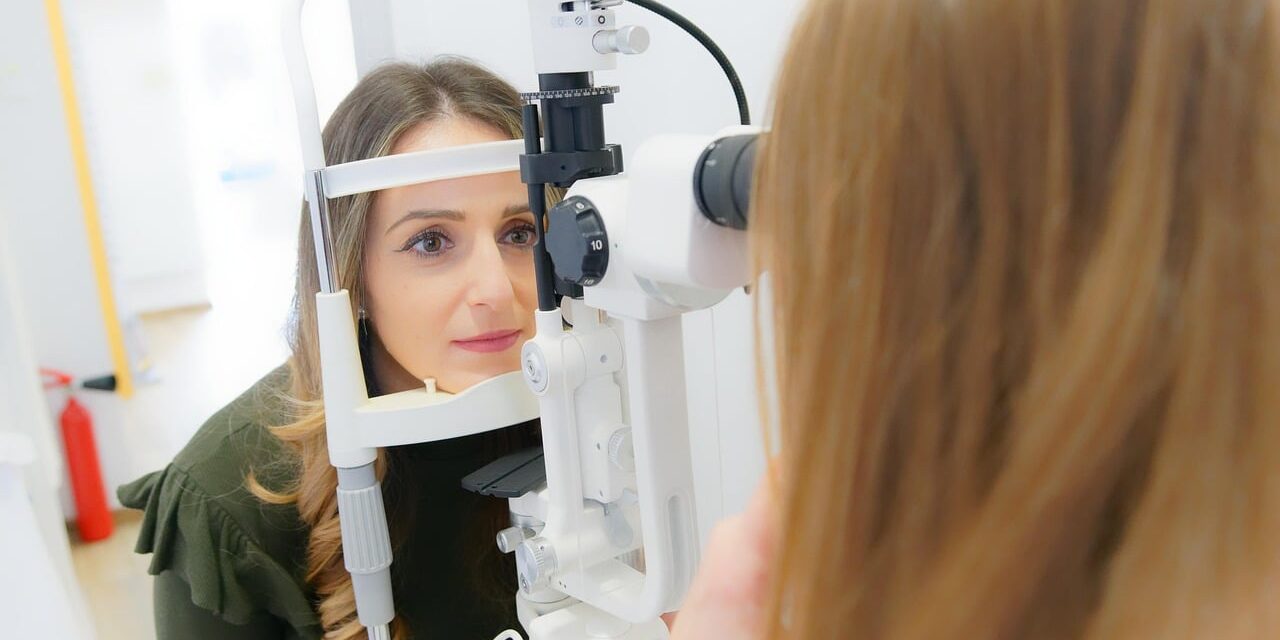
Diabetes can affect many parts of the body, including your eyes. A diabetes eye exam is similar to a standard eye exam, but it focuses on specific structures. These structures include the retina, the blood vessels, and the optic nerve. Because diabetic eye disease often begins without symptoms, you may not notice changes.
Detection of Problems
High blood sugar sometimes silently damages your eye structures before you notice changes, but a diabetes eye exam can catch these issues.
How Diabetes Affects the Retina
The retina is the light-sensitive tissue at the back of your eye, and high blood sugar damages the small blood vessels that supply it. These vessels may leak fluid or blood, leading to a condition called diabetic retinopathy. This condition progresses through stages. You may not notice any of these changes at first, but they are detectable through a dilated eye exam.
What Your Eye Doctor Sees
During the exam, your doctor will use eye drops to dilate your pupils, allowing a clearer view of the retina. Special imaging tools may also be used to photograph the retina. This can create a detailed record for future comparison. Your doctor will look for leaking vessels, swelling, and abnormal new vessel growth, and they will examine the macula closely.
Measurement of Changes
Diabetes can affect more than the retina. It can raise your risk of cataracts and glaucoma, and these conditions also affect vision. Glaucoma damages the optic nerve, often without early warning signs. A diabetic eye exam checks your eye pressure, your lens, and your optic nerve. Your doctor records the results at each visit, and these records show whether your eyes have changed. If your lens is becoming cloudier or your optic nerve shows thinning, your doctor will note the rate of change. Tracking these details over time helps your care team understand your eye health, and it supports more informed decisions about your care. Regular records help your doctor spot gradual changes.
Guidance for Treatment
Depending on your diagnosis and its stage, your doctor may recommend one or more of the following treatments:
- Laser therapy: Seals leaking blood vessels and slows the growth of abnormal ones.
- Eye injections: Anti-VEGF medications reduce swelling in the macula and help preserve central vision.
- Surgery: Used in more advanced cases to remove blood from the eye or repair a detached retina.
- Cataract surgery: May be needed if diabetes-related cataracts are significantly affecting your vision.
- Prescription eye drops: Often used to manage glaucoma by lowering eye pressure when detected early.
Your doctor will explain what each option involves and recommend the best approach for your situation. Asking questions at your appointment helps you understand your choices since you can make informed decisions about your care. Your eye exam can also inform your overall diabetes management. Your eye doctor can share results with your primary care provider, so your care team will coordinate effectively.
Schedule Your Diabetes Eye Exam
A diabetic eye exam is a practical part of managing diabetes, so bring your glasses or contact lenses to the appointment. Before your visit, gather a list of your medications and recent blood sugar readings. Contact your eye care provider today to schedule your diabetic eye exam.