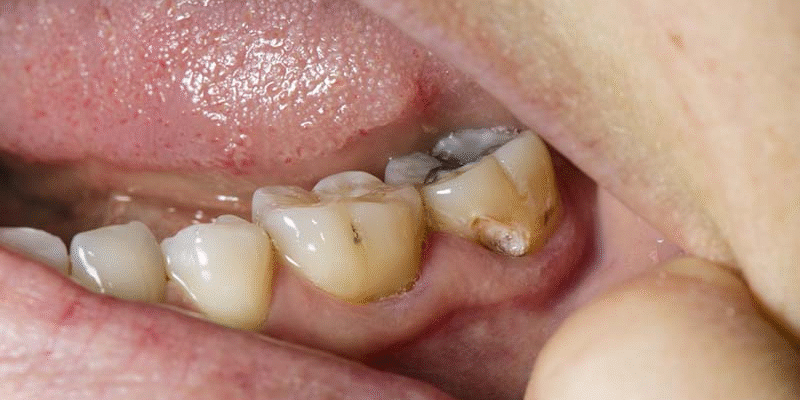
Cavities, also known as dental caries, are one of the most common oral health problems worldwide. They occur when the hard surface of your teeth, called enamel, is damaged due to acid-producing bacteria in your mouth. If left untreated, cavities can cause pain, infections, and even tooth loss. The good news is that cavities are preventable with the right habits and care. In this article, we’ll explore simple, practical, and effective ways to prevent cavities so you can maintain a healthy, sparkling smile.
Understanding Cavities
Before diving into prevention, it’s important to understand what causes cavities. Your mouth naturally contains bacteria. When you eat foods with sugars and starches, these bacteria feed on them and produce acids. These acids slowly erode your tooth enamel, forming tiny holes called cavities. Over time, if not addressed, the damage can reach the deeper layers of the tooth, causing sensitivity, pain, and even infections.
Risk factors for cavities include:
- Poor oral hygiene
- Frequent consumption of sugary or sticky foods
- Dry mouth (less saliva means less protection for teeth)
- Certain medical conditions or medications
- Not visiting the dentist regularly
By understanding these factors, you can take steps to reduce your risk and keep your teeth strong.
Daily Oral Hygiene: Your First Defense
Proper daily oral hygiene is the most effective way to prevent cavities. This includes brushing, flossing, and rinsing.
- Brushing Twice a Day
Brush your teeth at least twice a day, preferably in the morning and before bed. Use a fluoride toothpaste because fluoride strengthens tooth enamel and helps repair early damage. Brush gently in circular motions, covering all surfaces of your teeth, including the back molars where cavities often start. - Flossing Daily
Flossing removes food particles and plaque between your teeth and under the gum line—areas your toothbrush can’t reach. Skipping flossing allows bacteria to build up in these spaces, increasing the risk of cavities. - Mouthwash
Using an antimicrobial or fluoride mouthwash can provide extra protection. Mouthwash helps reduce bacteria and strengthens enamel, especially for people prone to cavities.
Eat a Tooth-Friendly Diet
Diet plays a huge role in cavity prevention. Sugary and starchy foods feed cavity-causing bacteria, so reducing their intake is key.
- Limit Sugary Snacks and Drinks
Candy, soda, and desserts are the main culprits. Try to enjoy them occasionally and not as daily habits. - Choose Teeth-Friendly Foods
Fruits, vegetables, whole grains, dairy products, and lean proteins are good for your teeth. Crunchy fruits and vegetables like apples and carrots help clean your teeth naturally while chewing. - Drink Water
Water helps rinse away food particles and bacteria. Fluoridated water also strengthens your enamel. - Avoid Frequent Snacking
Constant snacking means your teeth are exposed to acids more often. If you need a snack, choose something healthy like nuts, cheese, or raw veggies.
Regular Dental Check-Ups
Even with excellent oral hygiene, it’s important to visit your dentist regularly. Most dentists recommend check-ups every six months.
During a visit, your dentist can:
- Detect early signs of cavities before they become serious
- Provide professional cleaning to remove plaque and tartar
- Apply fluoride treatments or dental sealants for extra protection
- Offer personalized advice based on your oral health
Early detection and prevention are always easier and less expensive than treatment after cavities develop.
Protective Dental Treatments
In addition to daily care, there are professional treatments that help prevent cavities:
- Fluoride Treatments
Fluoride strengthens enamel and can reverse early decay. Your dentist may recommend fluoride varnish or gel, especially for children or adults prone to cavities. - Dental Sealants
Sealants are thin coatings applied to the chewing surfaces of molars. They act as a shield, preventing food and bacteria from getting into tiny grooves that are hard to clean. Sealants are highly effective, especially for children and teens. - Xylitol Products
Xylitol is a natural sweetener that prevents bacteria from sticking to your teeth. Chewing xylitol gum after meals can help reduce the risk of cavities.
Lifestyle Habits That Protect Your Teeth
Beyond diet and oral care, certain lifestyle habits can help prevent cavities:
- Avoid Smoking and Tobacco
Tobacco reduces saliva flow and increases the risk of gum disease and cavities. Quitting tobacco improves both oral and overall health. - Manage Dry Mouth
Saliva is your mouth’s natural defense against cavities. Drink plenty of water and consider sugar-free gum or lozenges to stimulate saliva if you have a dry mouth. - Limit Alcohol
Alcohol can dry out your mouth and contribute to cavities. Moderation is key. - Chew Sugar-Free Gum
Chewing sugar-free gum after meals increases saliva production, which helps neutralize acids and wash away bacteria.
Teaching Children About Cavity Prevention
Preventing cavities should start early in life. Parents can:
- Brush and floss their children’s teeth regularly
- Encourage a healthy diet with limited sugary snacks
- Take children to the dentist by their first birthday
- Use fluoride toothpaste appropriate for their age
Teaching children good habits early creates a foundation for lifelong oral health.
Common Myths About Cavities
There are some misconceptions about cavities that can prevent people from taking proper care:
- “Cavities only happen in children.”
Cavities can develop at any age. Adults are also at risk, especially if they have receding gums or wear dental restorations. - “Brushing harder cleans better.”
Brushing too hard can damage enamel and gums. Gentle, thorough brushing is more effective. - “Sugar-free drinks are always safe for teeth.”
Some sugar-free drinks contain acids that can erode enamel. Water is always the safest choice.
Understanding the facts helps you make smarter decisions for your oral health.
The Bottom Line
Cavities are common but largely preventable. The key is consistent care: brushing and flossing, eating a balanced diet, visiting your dentist regularly, and using protective treatments like fluoride and sealants. By following these habits, you can enjoy strong teeth, fresh breath, and a confident smile for years to come.
Remember, prevention is always better than treatment. Every small step you take today—like brushing for two minutes or drinking water after a snack—adds up to a lifetime of healthy teeth.
FAQs About Preventing Cavities
1. How often should I brush my teeth to prevent cavities?
You should brush at least twice a day—once in the morning and once before bedtime. Brushing after meals is also beneficial if possible.
2. Can cavities heal on their own?
Early-stage cavities (enamel demineralization) can sometimes be reversed with fluoride, good oral hygiene, and diet changes. Once a cavity progresses, professional treatment is required.
3. Are dental sealants necessary for adults?
Sealants are most common for children, but adults with deep grooves in their molars can also benefit from them to prevent cavities.
4. Does sugar-free gum help prevent cavities?
Yes, sugar-free gum, especially with xylitol, can help reduce bacteria and increase saliva, which neutralizes harmful acids.
5. How does fluoride prevent cavities?
Fluoride strengthens tooth enamel and makes it more resistant to acid attacks. It can also reverse early enamel damage before a cavity forms.