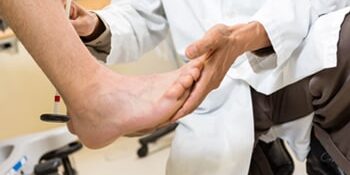
Foot health involves keeping the structures of the lower extremities functioning properly, and a podiatrist specializes in this field of medicine. Medical professionals in podiatry diagnose acute foot health issues, providing preventive medicine to help you avoid serious issues in the future. When you visit a podiatrist regularly, you can receive care for acute problems like ingrown toenails as well as preventive care. Here is more information about podiatric services:
Understanding Podiatrist Medical Duties
The field of podiatry encompasses the comprehensive study and treatment of foot and ankle disorders. Doctors evaluate patients through detailed physical exams, and they use diagnostic imaging to pinpoint underlying structural problems. They prescribe medications to relieve your discomfort. Because proper medical intervention relieves pain, patients receive tailored treatments, and they can resume normal daily activities without ongoing distress.
Treating Common Foot Issues
Patients visit clinics to resolve various conditions, and doctors develop customized plans to relieve their discomfort. A doctor treats heel pain or heel spurs with targeted therapies. When patients suffer from shin splints, specialists evaluate their legs, and they recommend appropriate rest periods to facilitate healing. These medical interventions help athletes return to their sports safely.
Medical interventions also address troublesome skin and nail problems. Fungal infections cause athlete’s foot, and doctors prescribe topical treatments to clear the affected skin. They remove ingrown toenails to prevent severe infections, and they provide support for flat feet so you can walk comfortably.
Administering Preventive Foot Care
Preventive medicine keeps your lower extremities healthy, and it stops minor issues from becoming severe conditions. Doctors assess your biomechanics to understand your unique walking patterns. They create custom orthotics to support your arches, and they provide lifestyle change advice for tendonitis and heel pain to keep you active. Because biomechanics affect your posture, proper physical alignment relieves stress on your major joints.
Basic hygiene education plays a role in your long-term foot health. A specialist can educate you on how to groom toenails properly, and this knowledge helps you avoid painful ingrown nails. When you practice good hygiene, you protect your feet from common bacterial infections.
Recognizing Signs for Treatment
Seek medical attention if you experience severe pain, and you must see a doctor if you notice sudden structural changes. Some physical indicators warrant a prompt medical evaluation:
- Persistent pain in your feet or ankles after resting.
- Changes in the color of your skin or nails.
- Numbness or tingling sensations in your lower extremities.
- Swelling that does not subside after a few days.
Ignoring these physical signs can lead to worse conditions, so you need to act quickly. A proper medical evaluation identifies the root cause of your physical discomfort. Because your mobility dictates your quality of life, a specialist will diagnose your symptoms, and they will prescribe a tailored treatment plan. Early medical intervention stops joint damage before it progresses.
Explore Podiatry Services
Proper medical attention keeps your lower extremities functioning well, and a specialist provides both acute and preventive treatments. Doctors resolve common physical ailments. If you want to learn more about podiatry and the common services offered, consult a podiatrist near you.