Hair loss affects many individuals, but medical specialists offer various treatments, giving patients multiple options to address their symptoms. Understanding the available methods helps in making informed decisions about ongoing care. Here is more information on hair loss, what causes it, and the different hair restoration methods that can help:
What Is Hair Loss?
Hair loss is a medical condition characterized by the reduction of hair on the scalp or body. This condition affects both men and women and presents in several diagnostic patterns. Some patients experience sudden hair shedding, but others notice a gradual thinning over several years. A clinical evaluation identifies the specific type of hair loss to guide hair restoration.
What Causes It?
Genetics plays a significant role in many cases of progressive hair thinning. Androgenetic alopecia is a common hereditary cause, and it typically occurs as individuals age. Hormonal changes also trigger sudden hair shedding across the scalp. Thyroid disorders or pregnancy can alter hormone levels, necessitating clinical evaluation.
Environmental factors and lifestyle variables also contribute to hair follicle disruption. High stress levels can push hair follicles into a resting phase, causing temporary shedding across the scalp. Nutritional deficiencies are another cause of hair thinning. A lack of iron or protein impairs hair growth, but dietary adjustments may reverse these specific physiological effects.
What Is Hair Restoration?
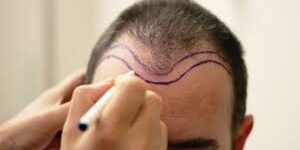
Hair restoration encompasses various medical procedures and therapies designed to stimulate natural hair growth. These treatments target dormant hair follicles to increase overall hair density on the scalp. Clinicians use both surgical and non-surgical approaches based on the patient’s specific medical diagnosis. Evaluating the underlying cause determines the most appropriate restoration method, so specialists conduct thorough physical exams.
What Are the Different Methods?
Medical science offers several evidence-based methods for treating hair loss, and patients can choose from topical treatments or in-office clinical therapies. Specialists evaluate individual patient profiles before recommending a specific medical protocol. Three primary non-surgical methods include prescribed medications, plasma injections, and light-based therapies.
Finasteride and Minoxidil
Finasteride and minoxidil are two FDA-approved medications used for ongoing hair restoration. Minoxidil is a topical solution applied directly to the scalp, and finasteride is an oral prescription medication. These drugs prolong the natural growth phase of human hair follicles. Patients use these medications consistently for several months to increase hair density.
Platelet-rich Plasma (PRP) Therapy
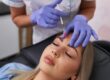
Platelet-rich plasma therapy is a clinical procedure that uses the patient’s own blood. Medical staff draw a small blood sample and spin it in a centrifuge to isolate the active platelets. The specialist then injects this concentrated plasma directly into the affected areas of the scalp. The growth factors in the plasma stimulate inactive hair follicles, so patients may see increased hair thickness over time.
Low-level Laser Therapy (LLLT)
Low-level laser therapy uses specific wavelengths of light to target the scalp tissue. The light energy penetrates the epidermal layer, and it stimulates cellular activity within the hair follicles. This biological process increases blood flow to the designated treatment area.
Learn More From a Specialist
Managing hair loss requires ongoing clinical supervision and targeted treatment strategies. Your specialist needs to monitor your response to therapy, and they will adjust your protocol based on your progress. Regular visits allow your doctor to accurately track clinical improvements in hair density. Schedule your next evaluation with your specialist today.