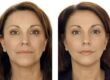

Dermatology treatments address the health and appearance of the skin, hair, and nails, offering treatments from prescription medications and in-office procedures to personalized skincare advice. Because every person’s skin responds differently, customized plans support skin function and appearance effectively. A dermatologist evaluates your skin type, medical history, and concerns before building a plan. Here’s more information on the benefits of creating a customized skincare plan with a specialist:
Skincare Plans for Common Conditions
Eczema causes dry, inflamed, and irritated skin, and it comes in several distinct forms. Atopic dermatitis is a chronic form often linked to allergies and appears as itchy, red patches on the face, hands, or the folds of the elbows and knees. Dyshidrotic eczema produces small, fluid-filled blisters that typically develop on the hands and feet. Seborrheic dermatitis affects oil-rich areas such as the scalp, eyebrows, and sides of the nose, causing flaking and redness.
These eczema types can occur simultaneously. A person may have atopic dermatitis on the arms while also experiencing seborrheic dermatitis on the scalp, so a dermatologist tailors the plan to treat each area appropriately. For someone managing eczema, a specialist might recommend gentle cleansers, fragrance-free moisturizers, topical medications, and avoiding specific triggers. For more severe cases, providers may recommend dermatology treatments like antihistamines, anti-inflammatory topical medications, or topical immunomodulators.
Skincare Plans for Aging Skin
Age spots are flat, darkened areas that form on sun-exposed skin over time. Sun damage refers to the broader changes caused by ultraviolet exposure, including fine lines, uneven texture, and discoloration. Both are common concerns as skin matures. A dermatologist may recommend a retinoid to address hyperpigmentation concerns. Retinoids encourage cell turnover, which can help fade darkened areas and even out skin tone with several weeks of consistent use.
For aging and sun-damaged skin, dermatologists often suggest in-office procedures suited to the individual’s skin type and concerns. Some common options include:
- Microdermabrasion: This treatment gently exfoliates the outer layer of skin to smooth texture.
- Chemical Peels: These facials use a solution to remove damaged surface cells and reveal newer skin underneath.
- Laser Treatments: These target pigment and stimulate the skin at deeper levels.
The right combination depends on your skin type, the extent of the damage, and your goals.
Skincare Plans for Acne
Acne treatments are rarely uniform, because the causes and severity vary from person to person. A dermatologist reviews the type of acne someone has, whether it is whiteheads, blackheads, or cystic lesions, before recommending a treatment plan. This tailored approach helps people understand their options and follow a routine designed for their specific situation.
Topical creams are a common starting point for acne treatment. Topical products may include ingredients that unclog pores, reduce oil, or calm inflammation. When topical treatments aren’t enough, a dermatologist may recommend adding oral medications to address bacteria, hormones, or other factors causing persistent breakouts.
Depending on the situation, a dermatologist may discuss in-office skincare treatments to address acne. Laser and light therapy are some key additional options. These procedures can target oil glands or the bacteria associated with acne. By combining these approaches thoughtfully, a dermatologist builds a plan that fits the individual and their needs.
Schedule a Dermatology Appointment
Whether the concern is eczema, aging skin, or acne, a dermatologist can assess your needs and recommend appropriate treatments. Customized skincare plans reflect the reality that no two complexions are the same. A specialist helps you determine what products and procedures may benefit your skin goals. To learn more about your skincare options, contact a dermatology practice to schedule a consultation.