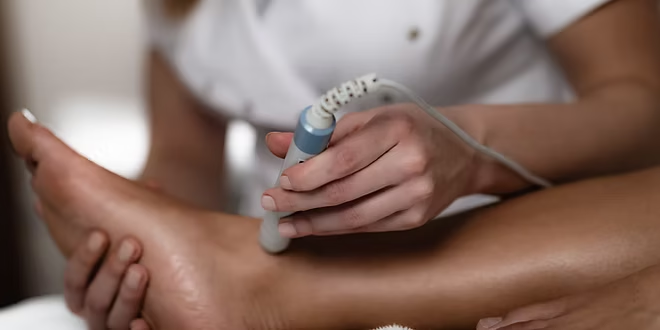
Varicose veins are enlarged, twisted veins that appear just beneath the skin’s surface, commonly in the legs. They develop when the small valves inside veins weaken and allow blood to pool rather than flow efficiently toward the heart. Genetics, prolonged standing, pregnancy, and age all raise the likelihood of developing them; non-surgical treatments now offer effective ways to address these unwanted veins with less downtime than traditional vein stripping. Here is more information about non-surgical methods for treating varicose veins:
Seeking Vein Treatment
Varicose veins are not inherently dangerous, but they can cause discomfort or aesthetic concerns. Symptoms include:
- Aching or heaviness in the legs
- Swelling around the ankles
- Itching or burning along the vein
- Cramping at night
For some, varicose veins are a cosmetic concern with no physical symptoms. In the past, the standard treatment was surgical vein stripping; now, there are several options for non-surgical treatment. These are modern options that require little downtime and no incisions or surgery.
Understanding VenaSeal
VenaSeal is a minimally invasive procedure that uses a medical-grade adhesive to close off a varicose vein. A vascular specialist inserts a small catheter into the affected vein and delivers the adhesive at precise intervals. The adhesive seals the vein, and blood naturally reroutes through healthier surrounding veins.
VenaSeal offers a comfortable treatment experience with minimal disruption to your daily life. Key benefits of the procedure include:
- No tumescent anesthesia required
- No thermal injury to surrounding tissue
- Same-day return to normal activities
While recovery is straightforward, wearing compression stockings for a short period afterward is typically recommended to support healing.
Exploring Radiofrequency Ablation
Radiofrequency ablation is a heat-based treatment that uses controlled radiofrequency energy to collapse and close a varicose vein. A thin catheter is guided into the vein under ultrasound imaging. The catheter then emits radiofrequency waves that heat the vein wall, and this causes it to seal shut.
Because the procedure targets the vein wall directly, surrounding tissue stays largely unaffected. A provider performs radiofrequency ablation with local anesthesia, and patients generally experience minimal bruising compared to older surgical approaches. The treated vein gradually absorbs into the body over time.
Introducing Sclerotherapy
Sclerotherapy is another established non-surgical option for varicose and spider veins. During the procedure, a specialist injects a sclerosant solution directly into the affected vein, and the chemical irritates the vessel lining so the vein collapses and eventually fades. Depending on the size and number of veins being treated, a session can take anywhere from 30 to 45 minutes. Some patients need multiple sessions to achieve their desired outcome, and results become visible over several weeks as the body absorbs the treated veins.
Get Treatment for Varicose Veins
Varicose veins can cause discomfort and affect bodily aesthetics, but non-surgical treatments make it possible to address them with minimal downtime. VenaSeal closes veins with a medical adhesive, radiofrequency ablation uses heat to seal the vessel, and sclerotherapy relies on a chemical solution to collapse the vein. Each approach offers a path to relief without traditional surgery. If you want to learn more about varicose veins and treatment, consult a vascular specialist near you.