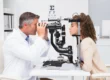
Ophthalmologists are highly specialized medical doctors in the field of comprehensive eye care, and they expertly diagnose various physical eye conditions. Because they receive advanced clinical education, ophthalmologists offer very specific medical treatments for complex vision problems. Your daily sight relies heavily on the expertise of these dedicated medical professionals. Here is more information on the role of ophthalmologists in treating your eye health:
Specializing in the Retina
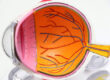
The retina detects light at the back of your eye. Ophthalmologists treat retinal issues, and they closely monitor physical changes. Because retinal detachment causes severe vision loss, doctors repair these tears. Macular degeneration slowly damages central vision over time, and when patients develop this condition, specialists provide specific medical injections.
Providing Comprehensive Care
Proper eye care takes ongoing attention, and doctors thoroughly monitor any visual changes during your visits. When patients schedule their regular eye exams, ophthalmologists accurately track their overall long-term vision health. Thorough clinical testing identifies underlying physical issues early in the diagnostic process. Medical providers utilize standard diagnostic tools, and they record all relevant baseline data for future reference.
While optometrists provide basic routine vision exams, ophthalmologists deliver much broader medical interventions for eye diseases. These doctors systematically evaluate the complete structural health of the entire eye. They check for basic refractive errors, and they quickly prescribe corrective lenses for your vision. Routine clinic visits maintain a highly reliable medical record of your ongoing physical condition.
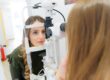
Comprehensive eye exams involve several distinct diagnostic steps during your initial visit to the clinic. After they review your complete medical history, doctors can check your visual acuity with standard charts. The doctor fully dilates your pupils, and they thoroughly examine the optic nerve for potential damage. Since minor issues grow over time, early detection reliably stops further physical deterioration of your sight.
Performing Surgeries
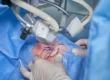
Many severe eye conditions require direct physical intervention, and ophthalmologists perform these delicate operations. Specific surgical procedures address major cataracts in older patients. Because surgical precision matters greatly, surgeons use highly specialized microscopic tools during every complex medical procedure. Modern operating rooms feature advanced technology for safely executing highly precise vision correction.
Before any surgery actually begins, patients receive detailed medical instructions about their upcoming physical procedure. The surgeon safely numbs the eye, and the actual operation proceeds fairly quickly without major delays. After surgery, doctors explain what to expect during recovery, and they give you steps to follow at home. Clear follow-up appointments allow for close monitoring of your healing process, so any questions or issues may be addressed right away.
Managing Eye Diseases
Since glaucoma silently damages the optic nerve, regular testing detects it early. Doctors prescribe daily eye drops to manage intraocular pressure. These medications lower internal eye pressure, and they stop further structural damage. Ophthalmologists manage a range of eye diseases, and this includes:
- Chronic glaucoma
- Acute cataracts
- Macular degeneration
- Diabetic retinopathy
- Corneal conditions
Find Ophthalmologists Near You
Local directories list qualified doctors, and regional hospitals provide excellent medical referrals. Review the specific clinical credentials of local providers today. After you verify your insurance network coverage, schedule your next comprehensive eye exam at a clinic near you.