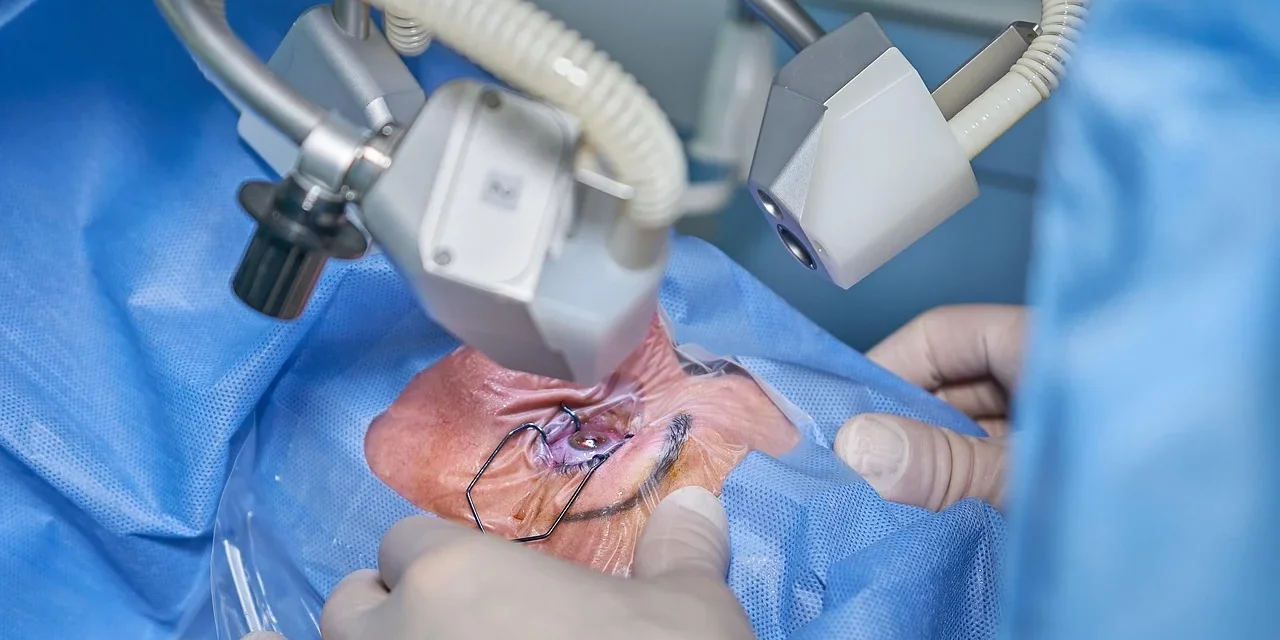
Clear vision affects reading, driving, work, and many everyday routines throughout adulthood. Laser eye surgery reshapes the cornea to correct common refractive errors in eligible patients. Long-term outcomes depend on healing, vision stability, and ongoing follow-up care. Here are a few potential long-term effects of laser eye surgery:
Reduce Lens Dependence
Laser eye surgery reduces reliance on glasses or contact lenses for eligible people with refractive errors. Eye practices commonly treat nearsightedness, farsightedness, and astigmatism after a comprehensive eye evaluation. The procedure corrects refractive errors, but it does not alter the eye’s natural aging process. Eligibility depends on factors such as prescription stability and overall eye health.
Contact lens use often decreases after surgery because many daily activities no longer require corrective lenses. Morning routines become simpler when contact lenses are no longer part of daily preparation. Sports and outdoor activities also require less attention to lens care and replacement. These lifestyle changes typically follow the recovery period rather than occurring immediately after treatment.
Vision needs continue to change as the eyes age naturally. Reading glasses often become necessary later in life because presbyopia develops with age, regardless of previous refractive correction. Long-term vision reflects both the results of surgery and normal age-related changes. Regular follow-up visits help identify whether new vision changes relate to aging or other eye health concerns.
Improve Distance Vision
Sharper distance vision often becomes noticeable after the initial recovery period. Road signs, classroom presentations, and television screens appear clearer during everyday activities. These changes support tasks that require accurate recognition of distant details. Follow-up visits track visual progress and help assess how the eyes respond to treatment.
Visual stability develops gradually as the eyes heal after surgery. Vision immediately after the procedure differs from results several months later because the cornea needs time to settle. Daily activities become more consistent as visual performance stabilizes across different lighting conditions. Distance vision remains a primary focus of refractive surgery, although individual results depend on factors such as eye health and prescription.
Stabilize Visual Function
During the first few months after surgery, the cornea continues adjusting as the surgical changes settle. Temporary dryness, fluctuating vision, or light sensitivity often decrease as the eyes recover. These effects differ from the final visual outcome and typically become less noticeable with continued healing. Postoperative evaluations assess tear production, corneal health, and visual function during recovery. These examinations also help identify persistent symptoms that require additional treatment or monitoring. Following the recommended appointment schedule gives the eye care team opportunities to address healing concerns before they interfere with daily activities.
Learn More About Laser Eye Surgery
Long-term results depend on how the eyes heal and maintain stable visual function after surgery. Reduced dependence on corrective lenses also affects daily activities, including reading, driving, and other tasks that require clear vision. Laser eye surgery does not stop age-related changes, so ongoing eye care remains part of maintaining healthy vision. Schedule an eye evaluation with a qualified ophthalmologist to discuss long-term outcomes and follow-up care after refractive surgery.