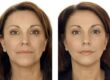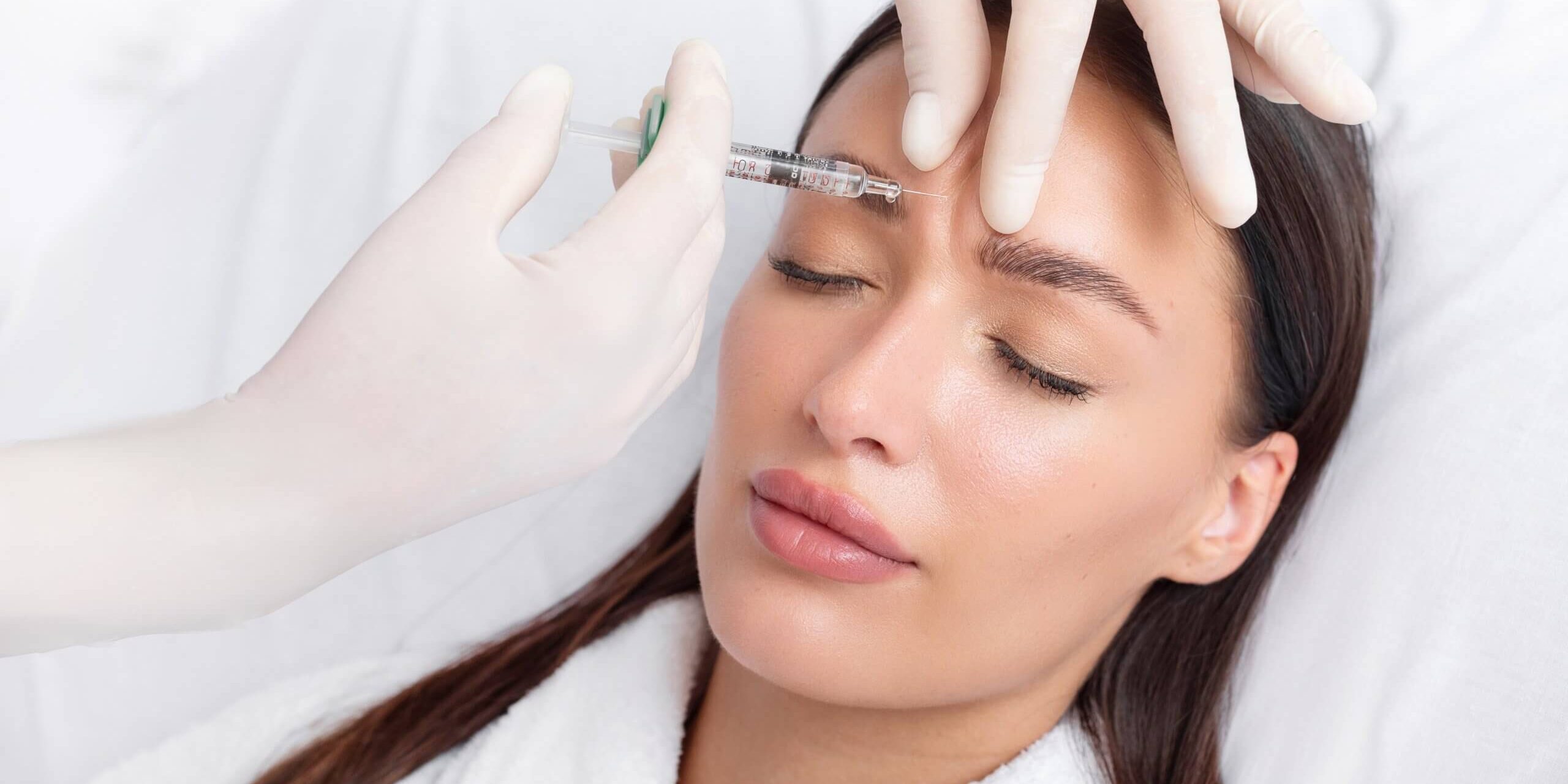
Botox is a widely used injectable treatment that specifically targets muscle movement to reduce the appearance of dynamic wrinkles. Unlike volumizing injectables, which add fullness to areas of the face, Botox works by temporarily relaxing the underlying muscles that create expression lines. This makes it a strong option for smoothing forehead lines, frown lines, and crow’s feet. Patients often choose Botox when their primary goal is wrinkle reduction rather than added facial volume or structural enhancement. Here is more information about choosing Botox over other injectables:
Knowing How Botox Works
Botox is a neuromodulator that works by relaxing the facial muscles responsible for movement-based wrinkles. This mechanism smooths the skin without adding volume, making it distinct from filler-based injectables. It is commonly used to target lines caused by repeated expressions, such as frown lines, forehead creases, and crow’s feet. Treatments are quick, often completed in about 15 to 20 minutes, making them a convenient option for many patients.
Targeting Dynamic Wrinkles
Dynamic wrinkles form from repeated facial movements over time. Frown lines, forehead creases, and crow’s feet develop from ongoing muscle activity, and Botox is designed to address these specific concerns by relaxing the targeted muscles. It is often selected when wrinkles are linked to expression rather than volume loss, allowing the skin to appear smoother as movement is reduced.
Botox is commonly used for several upper-face treatment areas, and precise placement helps maintain a natural appearance while softening lines. Careful dosing supports subtle results that avoid limiting normal facial expression. Common treatment areas include:
- Forehead and frown lines, including the “elevens”
- Crow’s feet around the eyes
- Non-surgical brow lift
This approach allows providers to focus on the balance between wrinkle reduction and natural facial movement.
Choosing Fillers Instead
Dermal fillers serve a different function from Botox and restore lost volume rather than relax facial muscles. They add fullness to hollow areas such as sunken cheeks and soften deep static folds that remain visible even when the face is at rest. Botox targets wrinkles caused by repeated muscle movement instead. Understanding this distinction helps guide treatment selection based on whether volume loss or expression lines drive the concern. Many patients combine both treatments to achieve balanced, natural-looking results that address multiple signs of aging.
Contouring With Injectables
Botox does more than reduce the appearance of wrinkles; it also refines and reshapes certain facial features. Masseter Botox targets the jaw muscles to create a softer, more contoured facial profile. Relaxing an overactive masseter muscle, it softens a square jawline and creates a more tapered appearance. These results depend on precise placement and dosing tailored to each individual’s anatomy.
Providers also use Botox across several lower-face and perioral areas to support balanced facial harmony. Common applications include:
- Masseter Botox for facial slimming
- Lip flip for upper lip enhancement
- Gummy smile reduction for a more balanced smile display
- Chin dimpling and neck band smoothing
Each treatment follows a customized plan based on the patient’s facial structure to support natural-looking contouring.
Book Your Botox Consultation Today
Choosing the right injectable depends on your facial structure, aesthetic goals, and the type of wrinkles you want to address. Botox is typically recommended for dynamic wrinkles caused by repeated muscle movement, while other injectables may focus on volume restoration or contouring. A qualified provider evaluates your features and medical history to determine the most appropriate treatment approach. Contact a provider today to schedule your consultation and learn whether Botox is the right option for your needs.