Plantar fasciitis involves the irritation of the thick band of tissue that runs across the bottom of your foot, connecting your heel bone to your toes. This condition often causes noticeable heel pain, particularly during your first few steps in the morning or after periods of prolonged rest. Many individuals experience recurring episodes even after their initial symptoms improve. This recurrence typically happens because the underlying mechanical issues or daily habits remain unaddressed. To prevent this pain from returning, adopt consistent daily habits, use proper footwear, and carefully manage your physical activity levels.
Why Plantar Fasciitis Recurs
Recurring plantar fasciitis often stems from returning to the same routines that initially caused the issue. When heel pain subsides, many people immediately stop their daily stretching routines, or they resume high-impact activities too quickly. Wearing worn-out shoes or walking barefoot on hard surfaces can also place renewed stress on the plantar fascia.
Structural factors, such as flat feet or high arches, naturally increase tension on the bottom of your foot. If you do not support these structural needs with appropriate footwear, the tissue remains vulnerable to ongoing stress. Tight calf muscles also play a significant role, and they restrict ankle movement and force the plantar fascia to absorb extra shock during walking or running. Incomplete healing is a common factor. If the tissue has not fully recovered before you increase your physical demands, micro-tears can easily recur, bringing the familiar pain back to your heel.
How to Prevent Recurrence
Preventing the return of heel pain requires ongoing attention to your foot health; incorporating consistent habits into your daily routine can help keep the fascia flexible and properly supported. Try the following steps to minimize your risk of recurrence:
- Wear supportive shoes: Choose footwear with adequate arch support and a cushioned heel for your daily activities. Proper footwear supports your arch and reduces the overall strain on your foot.
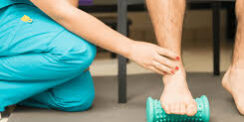
- Stretch regularly: Maintain a daily routine of stretching your calves and the bottom of your feet, especially before getting out of bed in the morning.
- Pace your activities: Increase your exercise intensity, distance, and duration gradually rather than all at once.
- Avoid walking barefoot: Wear supportive slippers or dedicated indoor shoes when walking on hard tile or hardwood floors at home.
- Replace worn athletic shoes: Running or walking shoes lose their cushioning and support over time, so replace them regularly to maintain proper shock absorption.
- Maintain a supportive weight: Extra weight adds mechanical stress to your lower extremities, and a balanced lifestyle can reduce the physical load on your feet.
Rest is significant for initial recovery, but gentle stretching can also promote long-term flexibility.
When To Seek Professional Help
Lifestyle adjustments can manage many cases, but some situations require professional evaluation and intervention. Consult a healthcare provider if your heel pain persists for several weeks despite your daily prevention efforts. Severe pain that prevents you from putting any weight on your foot requires immediate attention to rule out other potential issues, such as stress fractures. If you experience significant swelling, redness, tingling, or numbness in your foot, seek professional guidance. A specialist can perform a thorough physical examination. They can utilize diagnostic imaging to understand exactly what is happening inside your foot.
Ask a Podiatrist Today
A podiatrist has specialized training to evaluate foot mechanics and identify the specific factors contributing to ongoing heel discomfort. They can provide a personalized plan tailored to your lifestyle, structural needs, and daily demands. A podiatrist is able to evaluate your specific condition, or they can recommend custom orthotics for better daily support. Schedule an appointment with a podiatrist today to discuss your symptoms and learn how to maintain your long-term mobility.