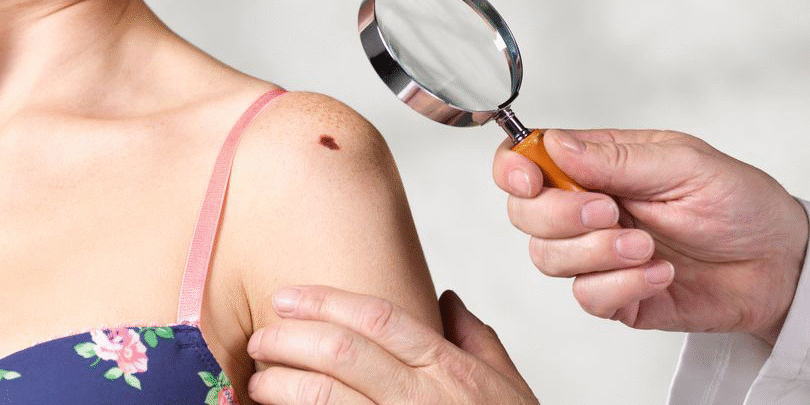
Your skin is more than just the outer layer of your body. It protects you, feels the world, and often gives early clues when something is wrong. One of the most important things your skin can warn you about is skin cancer. Learning to recognize skin cancer early warning signs can truly save lives.
Skin cancer is one of the most common types of cancer worldwide, but the good news is that it is also one of the most treatable when caught early. Many people miss the early signs simply because they don’t know what to look for. This article will explain those signs in a clear, easy, and human way—so you can listen to your skin before it’s too late.
What Is Skin Cancer?
Skin cancer happens when skin cells grow abnormally. This is often caused by damage from ultraviolet (UV) rays from the sun or tanning beds. Over time, this damage can change how skin cells behave, leading to cancer.
There are three main types:
- Basal cell carcinoma (most common, slow growing)
- Squamous cell carcinoma (can spread if ignored)
- Melanoma (less common but more dangerous)
Each type has its own warning signs, but many early symptoms overlap.
Why Early Warning Signs Matter So Much
Catching skin cancer early makes treatment easier and more successful. When found early:
- Treatment is often simple
- Scarring is usually minimal
- Survival rates are very high
Melanoma, for example, has a 5-year survival rate of over 99% when caught early, but that number drops sharply once it spreads. That’s why knowing the early warning signs is not optional—it’s essential.
Skin Cancer Early Warning Signs You Should Never Ignore
1. A New Spot That Doesn’t Look Like Others
One of the first skin cancer early warning signs is a new mole or spot that looks different from the rest of your skin. Doctors sometimes call this the “ugly duckling” sign.
Ask yourself:
- Does this spot stand out?
- Is it darker, lighter, or oddly shaped?
- Does it feel different?
If one spot doesn’t match the others, it deserves attention.
2. Changes in an Existing Mole
Moles are usually harmless, but changes are a red flag. Watch for:
- Growth in size
- Change in color
- Uneven or blurry edges
- Thickening or raised areas
A mole you’ve had for years should stay mostly the same. Any noticeable change is one of the most important skin cancer early warning signs.
3. The ABCDE Rule (Easy Way to Check Moles)
Doctors use a simple guide called ABCDE to spot melanoma early:
- A – Asymmetry: One half doesn’t match the other
- B – Border: Edges are jagged or uneven
- C – Color: Multiple colors (brown, black, red, white)
- D – Diameter: Larger than 6 mm (about a pencil eraser)
- E – Evolving: Changing over time
You don’t need all five signs. Even one can be a warning.
4. A Sore That Won’t Heal
A spot that bleeds, crusts, or stays open for weeks is not normal. Many people ignore these sores, thinking they are minor cuts or pimples.
If a sore:
- Doesn’t heal after 2–3 weeks
- Bleeds easily
- Keeps coming back
…it may be a sign of basal or squamous cell skin cancer.
5. Itching, Pain, or Tenderness
Skin cancer isn’t always painless. Some early warning signs include:
- Persistent itching
- Sensitivity or tenderness
- Burning or stinging feelings
If a spot on your skin feels uncomfortable for no clear reason, listen to it.
6. Red or Scaly Patches
Rough, red, or scaly patches that don’t go away can be early signs of squamous cell carcinoma. These patches may:
- Feel dry or crusty
- Be slightly raised
- Appear on sun-exposed areas like the face, ears, or hands
They are often mistaken for eczema or dry skin, which delays diagnosis.
7. Shiny or Pearly Bumps
Basal cell carcinoma often looks like:
- A shiny or pearly bump
- A pink or flesh-colored growth
- A spot that looks waxy
These bumps may bleed slightly and then heal, only to return again.
Where Skin Cancer Commonly Appears
Skin cancer often develops in areas exposed to the sun, including:
- Face
- Neck
- Scalp
- Arms and hands
- Legs
However, it can also appear in less obvious places such as:
- Soles of the feet
- Under nails
- Between toes
- Genital area
That’s why full-body skin checks matter.
Who Is at Higher Risk?
Anyone can get skin cancer, but risk increases if you:
- Have fair skin
- Burn easily
- Have many moles
- Use tanning beds
- Have a family history of skin cancer
- Spend a lot of time in the sun without protection
Even people with darker skin should not ignore skin cancer early warning signs.
How to Check Your Skin at Home
You don’t need special tools. Once a month is enough.
Simple steps:
- Use a full-length mirror
- Check your front, back, and sides
- Look at arms, hands, and under nails
- Don’t forget feet and scalp
- Take photos to track changes
If something feels off, trust your instincts.
When to See a Doctor
See a dermatologist if you notice:
- Any new or changing spots
- A sore that won’t heal
- A mole that looks unusual
Early visits often bring peace of mind—even when it’s nothing serious.
Final Thoughts
Your skin speaks quietly, but clearly. The challenge is learning how to listen. Understanding skin cancer early warning signs gives you power—not fear. It allows you to act early, protect your health, and take control of your future.
Checking your skin takes just minutes, but it can add years to your life.
Frequently Asked Questions (FAQs)
1. Can skin cancer appear suddenly?
Yes. Some skin cancers, especially melanoma, can appear quickly. That’s why new spots should never be ignored.
2. Does skin cancer always hurt?
No. Many early skin cancers are painless, which makes visual checks very important.
3. Can young people get skin cancer?
Yes. Skin cancer can affect people of any age, especially those with heavy sun exposure or tanning bed use.
4. Are all dark moles dangerous?
Not all dark moles are cancerous, but changes in color, shape, or size are warning signs that should be checked.
5. How often should I get a professional skin exam?
Most dermatologists recommend a full skin exam once a year, or more often if you’re at high risk.