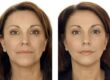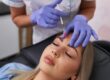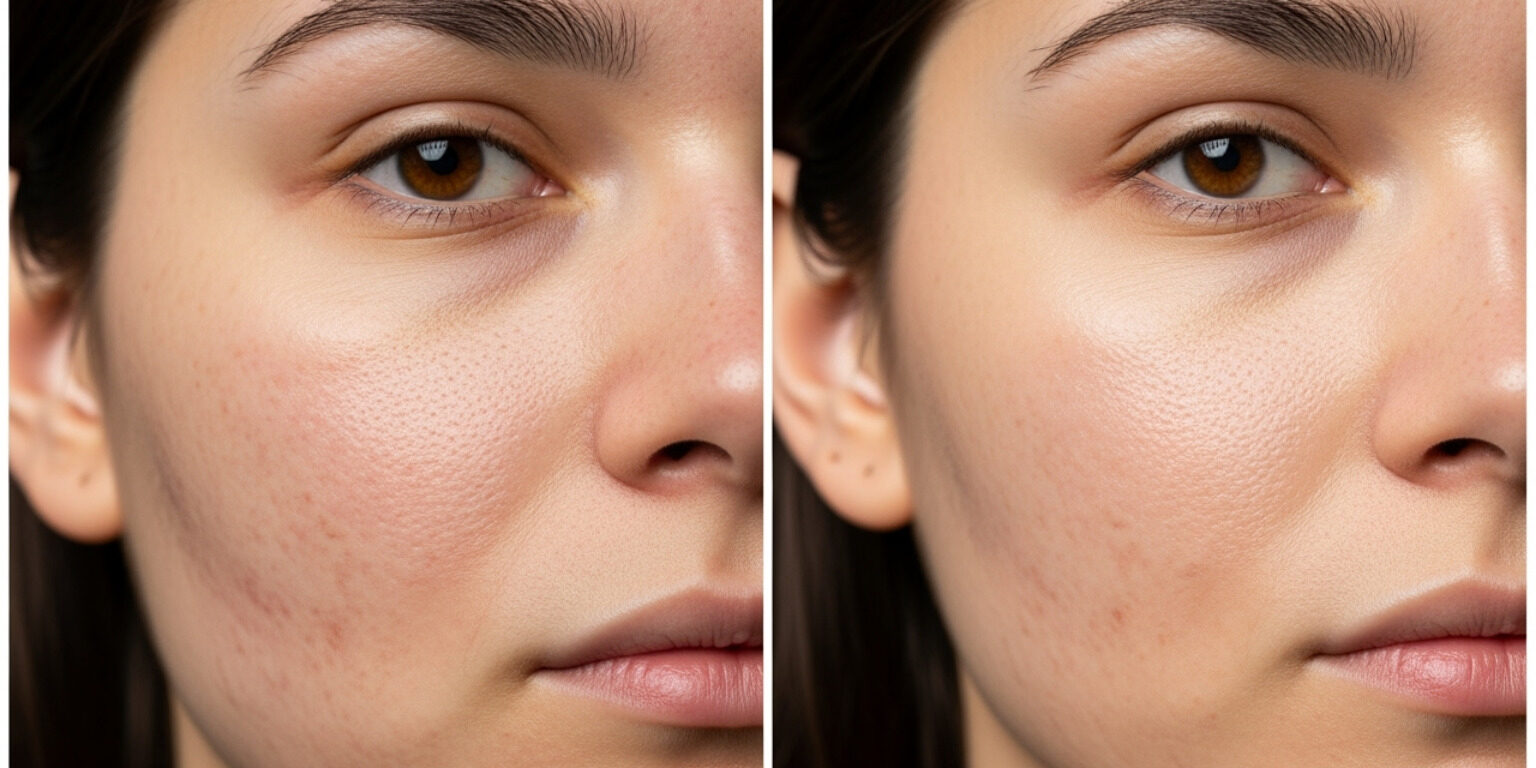
Acne scarring affects some individuals after active breakouts subside. This condition alters the skin’s texture, requiring clinical intervention to resolve. Various treatments exist for this issue, and photo facials represent a non-invasive option. Here is more information on the mechanisms behind acne scarring and the clinical application of photo facials:
What Is Acne Scarring?
Acne scarring refers to permanent textural changes and indentations that remain on the skin after severe acne heals. These marks develop when the dermis sustains damage during an active breakout, and the body produces an irregular amount of collagen during the repair process. A photo facial is an effective treatment option for acne scarring.
What Causes It?
Skin inflammation is the primary catalyst for acne scarring. When an acne cyst becomes engorged with bacteria and dead skin cells, the follicle wall ruptures, and the infected material spills into the surrounding tissue. The body attempts to repair this damage with new collagen fibers, but the resulting tissue is rarely as smooth as the original skin.
Two primary categories of scars can form during this healing phase. Hypertrophic scars occur when the body produces excess collagen, and atrophic scars develop when tissue is lost. Understanding these specific causes helps practitioners select appropriate treatments, enabling patients to receive accurate clinical recommendations.
What Are Photo Facials?
A photo facial is a clinical skin treatment that utilizes light-based technology to improve various skin conditions. Practitioners may use intense pulsed light (IPL) devices or light-emitting diodes (LEDs) to deliver targeted energy into the skin. This procedure is non-invasive, and it targets specific chromophores in the skin without damaging the surrounding epidermis.
Medical professionals may administer this treatment in a clinical setting over a series of sessions. The light energy penetrates the dermal layers, and it stimulates cellular responses that alter the skin’s structure and appearance. Patients experience minimal downtime, which allows them to resume normal activities following an appointment.
How Do They Work?
The IPL device emits broad-spectrum light that passes through the outer layer of the skin, and the targeted tissue absorbs this energy. The absorbed light converts into heat. This controlled thermal damage destroys hyperpigmented cells, prompting the body’s natural healing process.
As the body responds to thermal energy, fibroblasts in the dermis increase collagen production. Newly synthesized collagen fills in shallow indentations, and the skin gradually rebuilds a smoother surface texture. The treatment also constricts dilated blood vessels. The overall redness associated with post-acne marks may diminish.
What Are the Benefits?
Photo facials provide several structural improvements for patients with acne scarring. Increased collagen production helps level out shallow atrophic scars, and the skin may develop a more uniform texture. The targeted light also breaks down excess melanin, fading post-inflammatory hyperpigmentation. Practitioners can customize light settings for different skin tones, and they adjust the intensity based on the patient’s scar depth, making the treatment suitable for a wide range of individuals.
Address Your Scars Today
Acne scarring alters the skin’s texture, and photo facials offer a methodical approach to resolving these structural changes. The light-based technology stimulates collagen production, which reduces the discoloration associated with previous breakouts. Evaluating your specific scar type with a professional is the next step in this process. Contact an aesthetic practitioner to schedule a consultation.