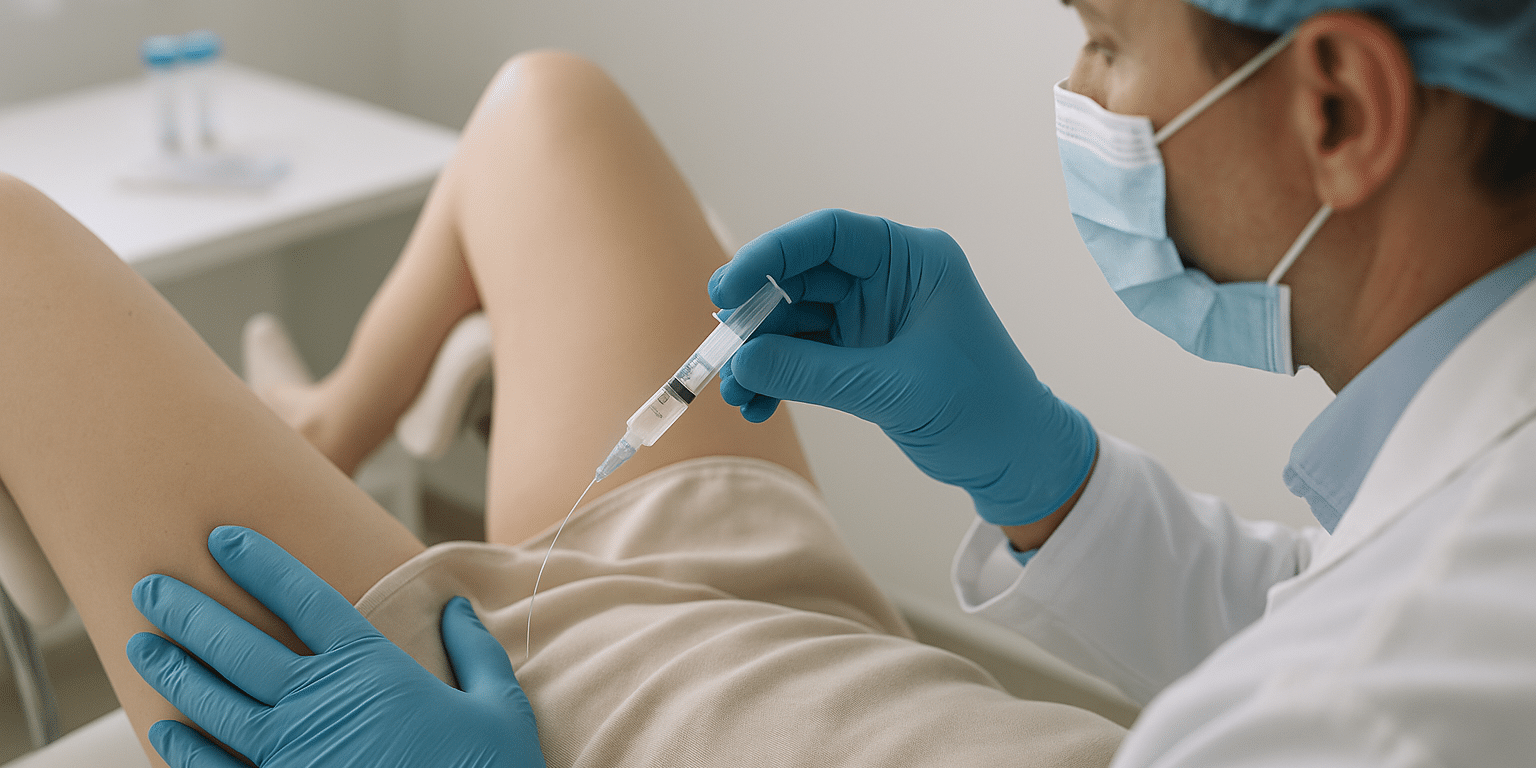
In vitro fertilization (IVF) is a standard medical procedure, and it assists in human reproduction. Doctors combine sperm and eggs in a specialized laboratory setting, and they monitor the subsequent cell growth. When individuals face unexplained natural conception challenges, this specific clinical treatment offers an alternative medical pathway. Here is more information on IVF procedures and what they entail:
Egg Retrieval
Medical teams schedule this minor surgery, and they administer light intravenous sedation to the patients. While the patient sleeps comfortably, a specialized fertility doctor uses internal ultrasound guidance to locate the ovaries. A thin surgical needle extracts the available mature eggs safely from the ovarian follicles. The procedure remains highly precise, and the surgical team monitors the patient throughout the entire process.
Because the ovaries rest near the vaginal wall, the experienced doctor accesses them directly without external incisions. The entire surgical retrieval process is generally quick. Patients wake up quickly from the anesthesia, and they usually go home the exact same morning. Even though the sedation wears off rapidly, patients need a designated driver for their safe trip home.
Sperm Collection
Fertility clinics require a fresh semen sample, or they utilize previously frozen donor sperm from a bank. Male partners provide their required sample in a private clinic room. After the dedicated laboratory receives the specimen, trained technicians wash the sperm thoroughly in a centrifuge.
This washing step removes seminal fluid, and it concentrates the most active sperm cells together. While natural collection represents the standard approach, doctors occasionally perform direct surgical sperm extraction. The laboratory precisely isolates the healthiest sperm, and technicians prepare them for immediate fertilization.
This detailed laboratory preparation creates an ideal environment for successful cell interaction. Unless the doctor specifies otherwise, patients complete this step on the morning of the egg retrieval. The IVF process aims for optimal conditions for fertilization, and it aims to increase the chances of achieving a successful pregnancy.
Development Stage
The laboratory combines the retrieved eggs and prepared sperm together in culture dishes. Technicians place these dishes in specialized incubators, and the microscopic cells begin dividing rapidly. As the embryos grow steadily over five days, embryology specialists monitor their daily developmental progress. Specialists evaluate several key milestones during this period:
- Day one confirms the initial fertilization of the egg.
- Day three shows steady early cell division.
- Day five reveals advanced blastocyst formation.
Mild pelvic cramping sometimes occurs immediately after the morning appointment. If you experience any ongoing discomfort, standard over-the-counter medication usually provides very quick and effective relief. Clinic staff members carefully review your discharge instructions, and they schedule a follow-up telephone call. Proper rest may help accelerate your physical recovery.
Embryo Transfer
The transfer happens directly at the fertility clinic, but it requires absolutely no general anesthesia. When the doctor inserts a very flexible catheter through the cervix, you might feel slight pelvic pressure. The physician places the selected embryo carefully into the uterine cavity. Patients rest briefly on the clinic bed, and they resume normal daily activities very soon afterward.
Schedule IVF Treatment Today
Because fertility treatments require careful medical planning, these clinics provide personalized and expert guidance. They can accurately assess your specific physical needs during an initial comprehensive consultation. Contact an office today, and a scheduling team will book your first introductory appointment. To begin this clinical pathway, call a fertility clinic near you today.