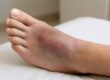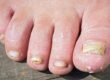
Plantar warts are a dermatological issue affecting the feet. They stem from a viral infection that infiltrates the outer layer of the skin. While they are generally benign, these growths can cause discomfort during weight-bearing activities like standing, walking, or running. Medical advancements provide multiple avenues for addressing these growths, and learning about these options empowers patients to make informed decisions.
What Are Plantar Warts?
Plantar warts develop due to the human papillomavirus, commonly known as HPV. There are numerous distinct strains of this virus, and specific types preferentially target the skin on the bottom of the feet. This virus enters the body through microscopic cuts, abrasions, or weak spots in the skin’s barrier. Once the virus takes hold, it creates rough, grainy growths on the surface.
These warts can manifest in different structural forms. A solitary wart is a single lesion that may increase in size over time and potentially multiply. Mosaic warts appear as a broad cluster of smaller growths tightly packed together in one region. The mosaic variation may be more resistant to standard medical interventions. The virus thrives in warm, damp environments, making locker rooms and swimming facilities common transmission sites.
How Do You Identify Them?
Recognizing a plantar wart involves observing specific physical characteristics on the foot. They typically resemble small, thick calluses on the heel or the ball of the foot, which bear physical pressure during daily movement. A distinguishing feature is the presence of tiny, dark pinpoint spots within the lesion’s core, which are tiny, clotted blood vessels. Because the constant pressure of walking pushes the growth inward, a plantar wart can penetrate deeply beneath the thick layers of the plantar skin.
How Are They Treated?
Some minor viral lesions resolve without medical intervention over an extended period, as the immune system naturally fights off the infection. Seeking professional treatment offers a more reliable approach to eliminating the virus promptly. This can also prevent it from spreading to other areas of the body or to other individuals. Traditional approaches include topical salicylic acid applications, which gradually peel away the infected skin layers. Cryotherapy is another standard procedure involving the application of liquid nitrogen to freeze the lesion. In more resilient cases, a podiatrist might recommend minor surgical excision or targeted laser therapy to remove the affected tissue directly.
Recent medical developments offer innovative alternatives like targeted microwave therapy. This technique relies on the principles of immunotherapy. A specialized medical device delivers a precise, controlled dose of microwave energy directly into the affected tissue, generating localized heat. This thermal reaction triggers the release of specific proteins within the infected cells. The immune system detects these proteins and mounts a targeted antibody response against the underlying human papillomavirus.
Seek Professional Podiatric Care
If you suspect the presence of a plantar wart, scheduling a comprehensive evaluation with a qualified podiatrist offers the best path forward. A specialist accurately diagnoses the condition and rules out other similar-looking ailments like corns or standard calluses. They will then recommend the appropriate treatment method. Regular self-examinations of your feet will help you catch any new growths early, allowing for timely and highly effective medical care.