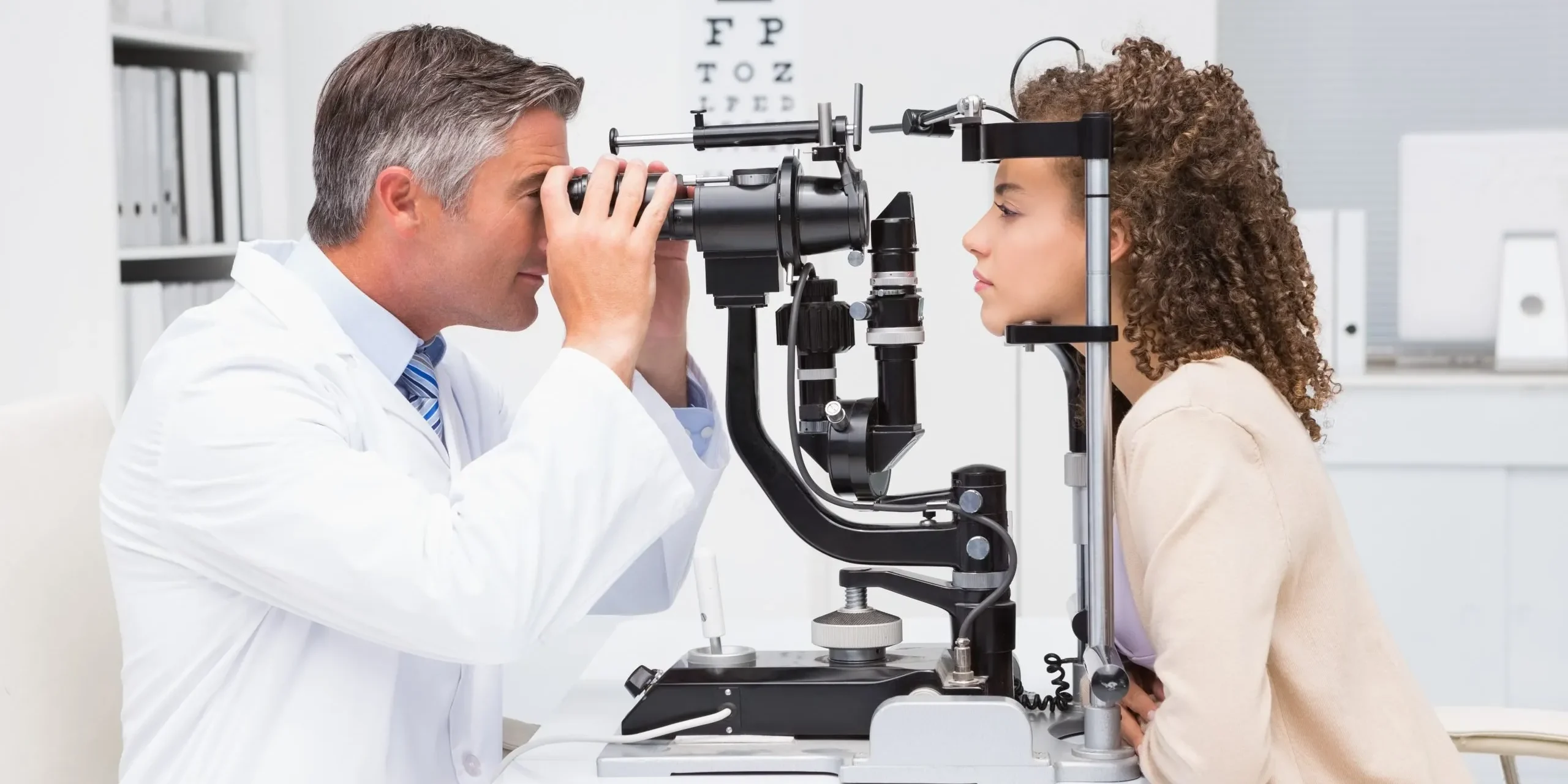
An optometrist evaluates vision and eye health through comprehensive examinations. These exams assess refractive conditions, while screenings evaluate concerns such as glaucoma, cataracts, and other eye diseases. When vision correction is needed, optometrists may prescribe glasses or contact lenses and provide ongoing eye care. Here is more information on how an optometrist can help manage your eye health:
Diagnosing Common Eye Conditions
An optometrist evaluates refractive conditions such as astigmatism, presbyopia, myopia, and hyperopia. Refraction testing measures how the eyes focus light, while examination results provide information about vision correction needs. Because vision may change over time, updated measurements guide adjustments to glasses or contact lens prescriptions.
Red eyes can develop for several reasons. Allergies, dryness, and infections may produce similar symptoms, while an eye examination evaluates the eye’s surface and surrounding tissues. An optometrist reviews symptoms alongside examination findings to identify possible causes. Once the source is identified, treatment options depend on the specific condition affecting the eyes.
Screening for Serious Diseases
Comprehensive eye exams evaluate more than changes in vision. Optometrists screen for diabetic retinopathy, glaucoma, macular degeneration, and cataracts, while examination findings provide information about overall eye health. Because some eye diseases develop without noticeable symptoms, routine screenings may identify changes before patients notice them.
Diabetic retinopathy affects blood vessels within the retina. Glaucoma is able to damage the optic nerve, and changes may affect peripheral vision over time. During an examination, an optometrist evaluates the eyes for signs associated with these conditions.
Macular degeneration affects central vision, while cataracts involve clouding of the eye’s natural lens. Regular examinations allow optometrists to monitor changes associated with both conditions. Findings from these screenings provide information about whether additional evaluation or treatment might be appropriate. When specialized care becomes necessary, an optometrist can discuss referral options based on examination findings.
Prescribing Glasses and Contacts
After an eye examination, an optometrist determines whether vision correction is appropriate. Prescription glasses and contact lenses address different vision needs, while other eyewear options serve specific purposes. Available eyewear may include:
- Prescription glasses
- Contact lenses
- Sunglasses
- Blue light glasses
Because vision needs vary between patients, an optometrist can discuss eyewear options based on examination findings and individual preferences.
Treating Chronic Eye Issues
Chronic eye concerns often require ongoing evaluation and management. Dry eyes, eye allergies, and recurring redness can develop for different reasons, while treatment depends on examination findings. An optometrist evaluates symptoms and eye health before discussing condition-specific treatment options.
Treatment approaches vary according to the underlying eye concern. Prokera may address certain conditions affecting the eye’s surface, while intense pulsed light therapy provides another option for specific dry eye concerns. Because persistent symptoms have different possible causes, follow-up examinations provide information about changes in eye health. An optometrist can adjust the care plan based on symptoms and examination findings.
Schedule With an Optometrist Today
Regular eye exams provide information about vision and overall eye health. An optometrist evaluates vision changes and screens for eye conditions, while prescription services address individual correction needs. Because new symptoms or vision changes may require evaluation, an eye exam provides an opportunity to discuss possible causes and care options. Schedule an eye exam today to discuss your vision and eye health with an optometrist.