

Understanding Acid Reflux Causes, Symptoms, and Alarm Signs
The burning sensation in your chest, the sour taste in your mouth, or a persistent cough – these are all potential indicators of acid reflux. While occasional heartburn is common, understanding the underlying causes, recognizing consistent symptoms, and identifying alarm signs are crucial steps toward effective management.
Acid reflux occurs when the lower esophageal sphincter (LES), a muscular valve between the esophagus and stomach, weakens or relaxes inappropriately. This allows stomach acid and digestive juices to flow back into the esophagus, irritating its delicate lining. Several factors can contribute to this dysfunction, including a hiatal hernia (where part of the stomach pushes through the diaphragm), poor esophageal motility, or delayed gastric emptying.
Common symptoms extend beyond just heartburn and regurgitation. They can also include:
- Sour taste in the mouth: Especially after eating or when lying down.
- Chest pain: Often mistaken for heart problems.
- Dysphagia: Difficulty or pain when swallowing.
- Respiratory symptoms: Chronic cough, hoarseness, or recurrent sinusitis due to acid irritation.
- Nausea and vomiting: Particularly after meals.
- Bad breath: A less common but possible symptom.
It’s important to be aware of primary dietary and lifestyle reflux triggers:
- Dietary Choices: High-fat foods, spicy dishes, chocolate, peppermint, citrus fruits, tomatoes, onions, garlic, and caffeine can all exacerbate symptoms.
- Meal Habits: Overeating, eating large meals close to bedtime, and lying down immediately after eating can increase pressure on the LES.
- Lifestyle Factors: Obesity, smoking, excessive alcohol consumption, and certain medications (e.g., some pain relievers, muscle relaxants) are known risk factors. Pregnancy can also contribute due to hormonal changes and increased abdominal pressure.
Clinical Differences Between Acid Reflux and GERD
While often used interchangeably, “acid reflux” and “GERD” (Gastroesophageal Reflux Disease) are distinct. Acid reflux describes the occasional backflow of stomach acid into the esophagus, which many people experience from time to time. GERD, however, is a more chronic and severe condition.
We diagnose GERD when acid reflux occurs frequently – typically more than twice a week – and begins to cause bothersome symptoms or damage to the esophageal lining. This persistent exposure to stomach acid can lead to chronic inflammation, and over time, may cause more serious complications. The key difference lies in the frequency, severity, and potential for mucosal damage and chronic inflammation resulting from persistent sphincter incompetence.
When to Consult a Specialist in Cypress
While lifestyle adjustments and over-the-counter medications can offer relief for occasional acid reflux, there are clear indicators that it’s time to seek professional medical attention from a gastroenterologist in Cypress. We advise consultation if you experience:
- Persistent heartburn: Symptoms that occur frequently (more than twice a week) and don’t improve with lifestyle changes or basic medications.
- Dysphagia: Any difficulty or pain when swallowing, as this can signal esophageal narrowing or other issues.
- Nocturnal cough: A chronic cough, especially at night, which may be a symptom of acid reflux irritating the airways.
- Alarm symptoms: Unexplained weight loss, vomiting blood, black or tarry stools, or persistent chest pain (which should always be evaluated to rule out cardiac issues first).
- Concerns about Barrett’s Esophagus: If you have long-standing GERD, your doctor may recommend screening for Barrett’s esophagus, a precancerous condition.
Timely evaluation can help us accurately diagnose your condition, rule out more serious issues, and develop a personalized treatment plan to prevent complications and improve your quality of life.
Comprehensive Diagnostic Pathways for Reflux in Cypress
When acid reflux symptoms become chronic or severe, a precise diagnosis is paramount. In Cypress, gastroenterologists utilize a range of advanced diagnostic tools to pinpoint the root cause of your symptoms, assess the extent of any damage, and guide effective treatment. Our approach emphasizes diagnostic accuracy, often coordinated by a GI Nurse Navigator, to ensure we understand your unique condition.

A comprehensive diagnostic pathway typically begins with a thorough clinical history and physical examination. We will discuss your symptoms, lifestyle, and medical background. Based on this initial assessment, we may recommend one or more specialized tests. Many Cypress specialists aim to expedite diagnostic testing, sometimes within a single day, to provide answers quickly without disrupting your daily activities.
Here’s a comparison of common acid reflux diagnostic modalities:
Diagnostic Modality Purpose What it measures/reveals Esophagogastroduodenoscopy (EGD) Visual inspection of the esophagus, stomach, and duodenum. Inflammation (esophagitis), ulcers, strictures, hiatal hernia, Barrett’s esophagus, and allows for biopsies. Bravo pH MonitoringMeasures esophageal acid exposure over an extended period (48-72 hours). Frequency and duration of acid reflux episodes, correlation of symptoms with reflux, and effectiveness of medication. High-Resolution Manometry Evaluates the strength and coordination of esophageal muscle contractions and LES function. Esophageal motility disorders (e.g., achalasia, ineffective esophageal motility) and LES pressure. Impedance-pH Monitoring Detects both acid and non-acid reflux episodes and the movement of contents (bolus transit) in the esophagus. Comprehensive assessment of reflux events, distinguishing between liquid, gas, and mixed reflux, and correlation of symptoms with all types of reflux. Useful when PPIs don’t fully relieve symptoms. Upper GI Fluoroscopy (Barium Swallow) Dynamic X-ray study to visualize the esophagus, stomach, and small intestine as you swallow. Structural abnormalities, strictures, hiatal hernias, and severe reflux episodes. Nuclear Gastric Emptying StudyMeasures the rate at which food leaves the stomach. Delayed gastric emptying (gastroparesis), which can contribute to reflux symptoms. Endoscopic Ultrasound (EUS) Uses sound waves to create detailed images of the digestive tract wall and surrounding organs. Deeper assessment of esophageal wall abnormalities, lymph nodes, or surrounding structures, particularly in cases of suspected cancer or complex conditions. Esophagogastroduodenoscopy and Bravo pH Monitoring
An Esophagogastroduodenoscopy (EGD), often referred to as an upper endoscopy, is a crucial diagnostic procedure. During an EGD, a thin, flexible tube with a camera is passed down your throat to visualize the lining of your esophagus, stomach, and the first part of your small intestine. This allows us to directly evaluate the mucosa for signs of inflammation, ulcers, strictures, or precancerous changes like Barrett’s esophagus. Biopsies can be taken during this procedure for further analysis.
For a more objective measure of acid exposure, Bravo pH monitoring is often utilized. A small, wireless capsule is temporarily attached to the esophageal lining during an endoscopy. This capsule then measures and records the pH levels in your esophagus for 48 to 72 hours, transmitting data to a receiver you wear. This allows us to correlate your symptoms with actual acid reflux episodes and assess the overall acid burden on your esophagus, even while you go about your normal daily activities.
High-Resolution Manometry and Impedance Testing
To understand the mechanical function of your esophagus, we employ high-resolution manometry. This test involves passing a thin catheter through your nose into your esophagus to measure the pressure and coordination of muscle contractions as you swallow. It provides detailed information about esophageal motility and the function of the lower esophageal sphincter (LES), helping to identify disorders like achalasia or ineffective esophageal motility that can contribute to reflux.
In cases where acid-suppressing medications don’t fully resolve symptoms, or if non-acid reflux is suspected, impedance testing is invaluable. Often combined with pH monitoring (impedance-pH monitoring), this test detects both acid and non-acid reflux events by measuring changes in electrical conductivity as contents move up and down the esophagus. It helps us understand the nature of your reflux, whether it’s liquid, gas, or mixed, and how these events correlate with your symptoms. This comprehensive data allows for a highly personalized treatment strategy.
Options for Advanced Acid Reflux Treatment in Cypress
When lifestyle modifications and initial medications prove insufficient, Cypress offers a spectrum of advanced acid reflux treatment options. We understand that GERD is often a chronic condition requiring a staged progression of care, from conservative approaches to more interventional procedures. While proton pump inhibitors (PPIs) are effective in controlling symptoms for many, they do not address the underlying anatomical dysfunction of the lower esophageal sphincter, and for some, long-term use may not be ideal or sufficient. Our goal is to provide personalized care that considers your symptoms, diagnostic findings, and overall health goals. For those seeking comprehensive care, exploring resources for Advanced acid reflux treatment can provide valuable insights into specialized approaches.
Non-Invasive and Endoscopic Advanced Acid Reflux Treatment
For patients seeking alternatives to traditional surgery, several non-invasive and endoscopic procedures are available:
- Radiofrequency Ablation: Primarily used for patients with Barrett’s esophagus, this procedure uses heat to destroy precancerous cells in the esophageal lining, reducing the risk of cancer progression.
- Transoral Incisionless Fundoplication (TIF) Procedure: This innovative procedure reconstructs the anti-reflux barrier by creating a partial fundoplication using an endoscopic device, all performed through the mouth without external incisions. It’s designed to restore the natural anatomy of the gastroesophageal junction, offering a solution for chronic heartburn without pills.
- Endoscopic Mucosal Resection (EMR): If abnormal or precancerous tissue is identified during an endoscopy, EMR allows for its removal using specialized endoscopic tools.
- Peroral Endoscopic Myotomy (POEM) Technique: While primarily used for achalasia (a swallowing disorder), POEM is an advanced endoscopic technique that involves cutting muscle fibers in the esophagus and LES, and is sometimes adapted for specific reflux-related conditions.
Minimally Invasive and Robotic Surgical Interventions
For many, particularly those with severe GERD, hiatal hernias, or who are intolerant to medication, surgical intervention offers a durable solution. Cypress specialists are at the forefront of minimally invasive and robotic surgical techniques, which typically result in less pain, smaller incisions, and faster recovery times.
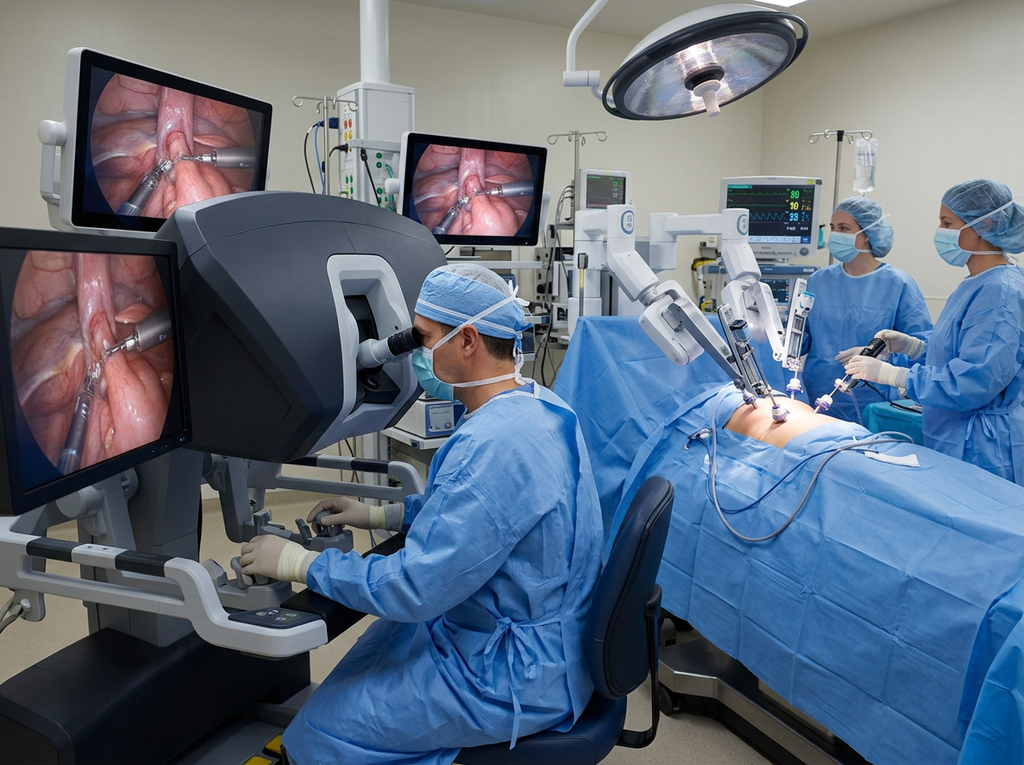
Key surgical options include:
- Nissen Fundoplication: This is a common and highly effective anti-reflux surgery where the upper part of the stomach (fundus) is wrapped completely around the lower esophagus, reinforcing the LES and preventing acid reflux. Partial fundoplications (e.g., Toupet) are also performed, wrapping the stomach partially around the esophagus.
- Magnetic Sphincter Augmentation (LINX® System): This procedure involves implanting a small, flexible band of magnetic titanium beads around the lower esophageal sphincter. The magnetic attraction between the beads helps keep the LES closed to prevent reflux but allows it to open for swallowing.
- Hiatal Hernia Repair: Often performed in conjunction with fundoplication, this procedure repairs the opening in the diaphragm through which the stomach has pushed, restoring proper anatomy.
- Partial Gastrectomy with Roux-en-Y Reconstruction: For obese patients suffering from GERD, bariatric procedures like sleeve gastrectomy or gastric bypass can significantly improve or resolve reflux symptoms, sometimes requiring this specific reconstruction.
- Robotic Precision: Robotic-assisted surgery offers surgeons enhanced dexterity, 3D visualization, and precision, leading to excellent outcomes for complex anti-reflux procedures and revisional surgeries. Many surgeons in Cypress have extensive experience, with some performing thousands of Nissen Fundoplication surgeries over more than 15 years.
Evaluating Candidates for Advanced Acid Reflux Treatment
The decision for advanced treatment is highly individualized. We carefully evaluate candidates based on several factors:
- Refractory Symptoms: When chronic GERD symptoms persist despite optimal medical therapy.
- Medication Intolerance: If patients experience significant side effects from PPIs or other medications.
- Severe Esophagitis or Complications: Presence of severe esophageal inflammation, ulcers, strictures, or Barrett’s esophagus.
- Hiatal Hernia: A significant hiatal hernia that contributes to reflux.
- Patient Preference: For those who prefer to avoid long-term medication use.
Our Cypress specialists often employ a multidisciplinary team approach, including gastroenterologists, surgeons, and GI Nurse Navigators, to ensure comprehensive assessment and coordinated care for complex or chronic cases. This collaborative model ensures that all aspects of a patient’s health are considered when developing an individualized treatment plan.
Frequently Asked Questions About Acid Reflux Management
How long should you wait before lying down after eating?
To minimize the chances of acid reflux, we generally advise waiting at least three hours after eating before lying down. This allows sufficient time for gastric emptying, meaning your stomach has largely processed and moved food into your small intestine. Gravity also plays a crucial role; when you’re upright, gravity helps keep stomach contents down. Lying down too soon after a meal removes this advantage, making it easier for acid to flow back into the esophagus and cause nighttime reflux. Elevating the head of your bed by 6-8 inches (using blocks or a wedge pillow, not just extra pillows) can also be beneficial for those who experience nocturnal symptoms.
Can lifestyle changes and medications cure GERD permanently?
For many individuals, GERD is a chronic condition, and while lifestyle changes and medications (like PPIs and H2 blockers) are highly effective in managing symptoms and preventing complications, they typically do not offer a permanent “cure” in the sense of resolving the underlying anatomical or physiological dysfunction. Medications primarily work by reducing stomach acid production or neutralizing existing acid, controlling symptoms. Lifestyle modifications can reduce the frequency and severity of reflux episodes. However, if the root cause is a weakened lower esophageal sphincter or a hiatal hernia, these conservative measures may not fully resolve the problem. Surgical interventions, such as fundoplication or magnetic sphincter augmentation, are designed to address these anatomical defects and can offer a more durable, long-term solution, potentially leading to a “cure” or significant, lasting relief for many.
What complications develop if chronic acid reflux is left untreated?
Leaving chronic acid reflux untreated can lead to a range of serious complications due to the persistent irritation of the esophageal lining by stomach acid. These include:
- Esophagitis: Inflammation of the esophagus, which can cause pain, difficulty swallowing, and bleeding.
- Esophageal Strictures: Repeated damage and healing can lead to the formation of scar tissue, narrowing the esophagus and making swallowing difficult.
- Esophageal Ulcers: Open sores can form in the esophagus, causing pain and potentially leading to bleeding or perforation.
- Barrett’s Esophagus: This is a precancerous condition where the normal cells lining the esophagus are replaced by cells similar to those in the intestine. Barrett’s esophagus significantly increases the risk of developing esophageal cancer.
- Esophageal Cancer: In a small percentage of cases, chronic untreated GERD, especially when associated with Barrett’s esophagus, can progress to esophageal adenocarcinoma.
- Respiratory Problems: Chronic irritation can lead to conditions like asthma, chronic cough, laryngitis, and even pneumonia if stomach contents are aspirated into the lungs.
Early diagnosis and consistent management are vital to prevent these potentially life-threatening complications and ensure long-term digestive health.
Conclusion
Navigating acid reflux and GERD can be a challenging journey, but with the comprehensive care pathways and advanced treatment options available in Cypress in October 2026, relief is within reach. From understanding the subtle differences between occasional heartburn and chronic GERD to exploring cutting-edge diagnostic techniques and personalized treatment plans, we aim to empower you with the knowledge to make informed decisions about your health.
The importance of accurate diagnosis cannot be overstated, as it forms the foundation for effective treatment, whether through lifestyle changes, medication, or advanced procedures. We encourage anyone experiencing persistent or severe acid reflux symptoms to seek specialist consultation. By working closely with a Cypress gastroenterologist, you can develop a tailored approach that addresses your specific needs, manages your symptoms, and significantly improves your overall well-being. Don’t let acid reflux disrupt your life; take the first step towards lasting comfort and better digestive health today.