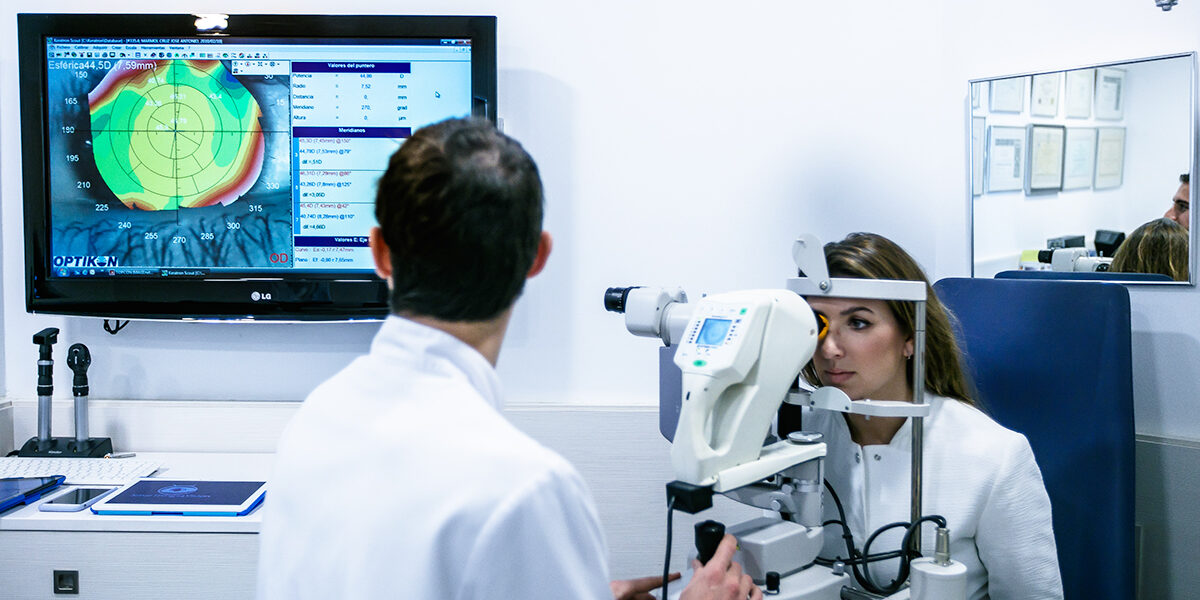
Glaucoma represents a complex group of eye conditions that progressively damage the optic nerve. Because this condition can ultimately lead to vision loss, seeking timely medical intervention is a priority. Ophthalmologists focus on reducing intraocular pressure to manage the disease. Eye drops serve as a standard initial treatment, but surgery often becomes the next step when conservative methods fall short. Modern medicine provides numerous surgical techniques designed to facilitate better fluid drainage and relieve internal eye pressure.
What Is Glaucoma?
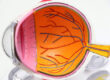
Glaucoma is not a singular disease, but rather a category of ocular disorders that compromise the optic nerve. In most instances, this damage stems from an abnormal accumulation of aqueous humor, the natural fluid that nourishes the eye. When the eye’s drainage channels become blocked, the fluid builds up and elevates internal pressure.
Medical professionals classify the condition into several types based on the mechanism of fluid blockage. Open-angle glaucoma occurs most frequently, characterized by a slow clogging of the trabecular meshwork. Closed-angle glaucoma develops when the iris pushes forward and creates an acute physical blockage of the drainage angle.
Other variations exist as well. Normal-tension glaucoma damages the optic nerve, even when intraocular pressure remains within a standard range. Pigmentary glaucoma happens when pigments from the iris flake off and obstruct drainage canals. Congenital glaucoma affects infants born with malformed drainage structures.
What Are the Symptoms?
Because glaucoma develops gradually, early stages rarely present noticeable signs. Patients may maintain normal vision for years, but the optic nerve slowly sustains damage. As the disease advances, individuals typically experience blind spots in their peripheral vision. Without intervention, this progresses into a narrowed field of view.
The closed-angle variant presents differently. Because the fluid blockage occurs suddenly, the resulting pressure spike triggers rapid symptoms. Patients dealing with closed-angle glaucoma often report intense eye pain, sudden blurred vision, and visual halos around bright lights; this acute pressure increase can also cause intense headaches, nausea, and vomiting. Any onset of these severe symptoms warrants immediate medical evaluation.
What Surgeries Treat It?
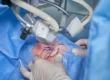
When medications cannot adequately control intraocular pressure, ophthalmologists recommend surgical intervention. These procedures focus on increasing the outflow of internal eye fluid or decreasing its overall production. The specific surgical approach depends on the type and severity of the condition.
Minimally invasive glaucoma surgeries offer alternatives to traditional operations. These procedures utilize small devices to bypass drainage blockages. Surgeons may implant tiny shunts directly into the eye’s natural drainage pathways and aim to restore steady fluid movement.
Laser surgeries provide another effective avenue for managing eye pressure. Selective laser trabeculoplasty targets the existing drainage tissue, using light energy to stimulate functional changes that allow better fluid exit. Some procedures use laser energy to alter the fluid-producing structures of the eye, directly reducing the volume of aqueous humor generated. Surgeons might recommend traditional filtering surgeries like trabeculectomy or the placement of implants. These procedures create new pathways for fluid to drain from the eye, bypassing the natural, compromised channels.
Confer With an Ophthalmologist
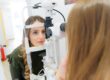
Managing ocular health requires ongoing professional guidance and regular monitoring. Routine comprehensive eye exams are an effective tool for detecting pressure changes before they cause structural harm. Every patient’s anatomical structure and disease progression present unique challenges, and an eye specialist possesses the expertise required to evaluate these individual variables. By scheduling a comprehensive consultation with a trained ophthalmologist, patients can explore all available surgical options and develop a customized treatment strategy suited to their specific medical needs.