Periodontal disease affects the gums, bone, and other tissues that support your teeth. It often starts quietly, but it can progress when plaque stays on teeth and along the gumline. See how early care helps protect chewing, while improving oral health.
Manage Causes Early
Plaque is the main cause of periodontal disease. It forms daily, and it contains bacteria that irritate gum tissue. When plaque is not removed, gums can become inflamed. As the irritation continues, the tissue starts to pull away from the teeth. Those spaces are called pockets, and plaque trapped there can harden into tartar. Over time, the longer plaque and tartar remain, the greater their impact on gum health. Some factors make plaque harder to control, such as crowded teeth, braces, or habits like tobacco use. Certain medications and medical conditions may also increase your risk, so maintaining a thorough care routine matters. Proper brushing, flossing, and regular dental cleanings are recommended. They reduce your risk for gum disease. Habits, genetics, and medical health all play a role in periodontal disease, so take targeted action
Treat Your Symptoms
Treatment depends on how far the disease has progressed, and a specialist can evaluate your case. For those with early-stage gum disease, dentists may recommend scaling and root planing. This procedure is a deep cleaning, so it targets both above and below the gumline. Cleaning focuses on areas that regular brushing cannot reach. Removing plaque and tartar from these pockets reduces the bacterial load, and it helps calm inflammation. This can prevent further tissue breakdown.
After cleaning, root planing smooths the tooth roots. This makes it harder for bacteria and plaque to reattach, and it gives gum tissue a chance to recover and reattach to the tooth surface. Most patients find that, if begun early, this nonsurgical approach tries to halt the progression of the disease. It may even reverse early gum changes. It also requires consistent home care, so utilize daily brushing and flossing.
Notice Your Signs
Common symptoms of periodontal disease include:
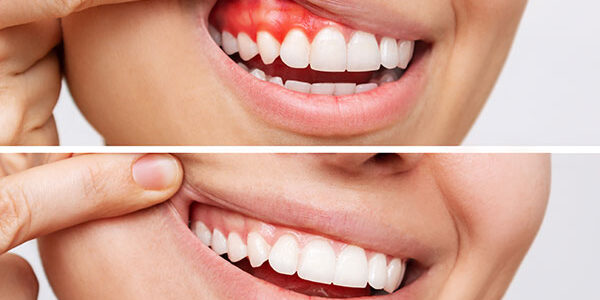
- Red or swollen gum tissue that is often tender to the touch
- Gums that bleed during brushing or flossing
- Persistent bad breath that does not go away with cleaning
- Loose teeth or teeth that feel like they have shifted
- Gums pulling away from the teeth, exposing more of the tooth.
Recognizing these symptoms early encourages timely dental visits, and it may increase the likelihood of effective intervention. Ignoring early warnings can lead to more severe gum problems, as inflammation is one of the first indicators that plaque is irritating your tissues. If you consistently notice blood, redness, or swelling, these are your body’s signals. Extra care and a professional assessment may be needed. You might not feel pain at first, so pay close attention to what you see. Changes in how teeth fit together also matters, and chewing may feel different. The main lesson is direct: small symptoms can point to deeper problems below the gumline.
Treat Periodontal Disease Today
Periodontal disease can affect gums, bone, chewing, speech, and long-term tooth support. It begins with plaque, but it can progress. Watch for bleeding, swelling, bad breath, or loose teeth, and schedule a dental exam if you notice any of them. Ask whether scaling and root planing, LANAP, or bone grafting is appropriate for your condition.