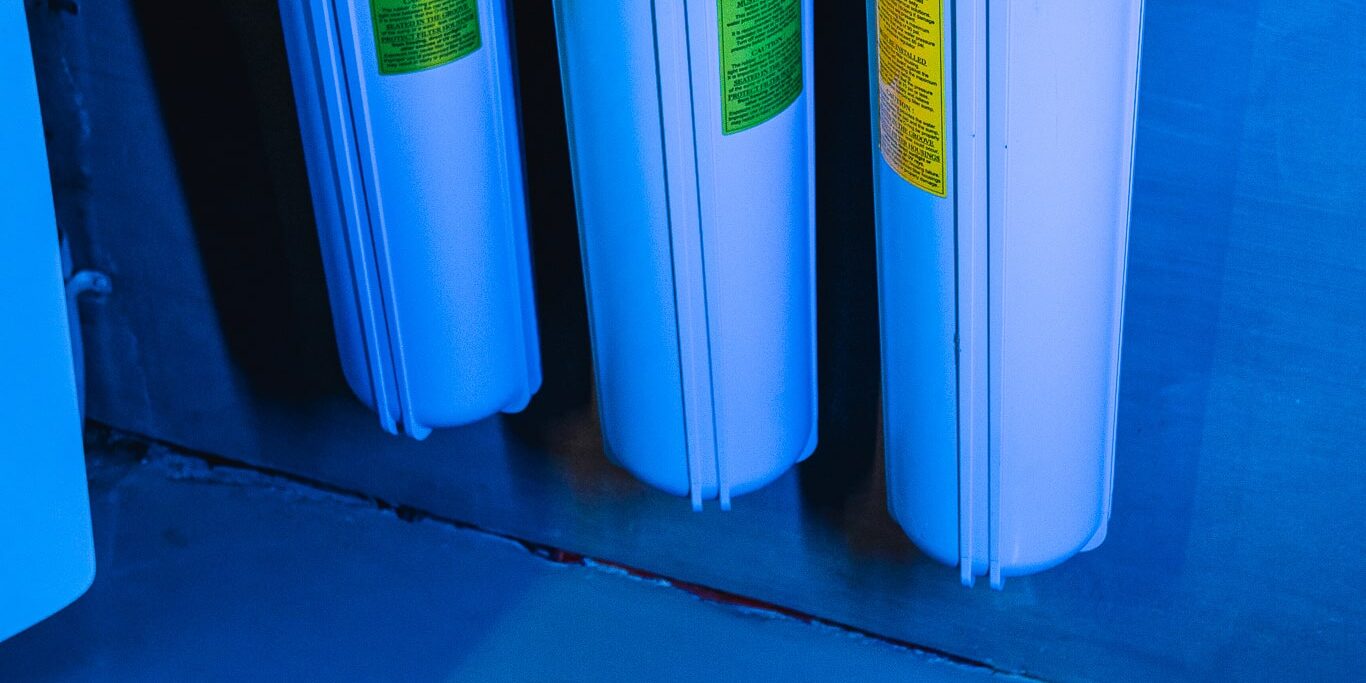
Tap water looks clean, but its appearance does not show everything in it. Small amounts of substances such as PFAS, microplastics, and metals may be present in some water supplies, depending on the source and treatment process. A whole house water filter system treats all water entering a home, so every tap and appliance receives filtered water. Knowing the basics of how these systems work helps guide selection based on household needs. Here are a few tips for picking the right water filter system:
Know What Your Water Contains
Before evaluating any filter system, start with a clear understanding of what is in the water supply. Municipal systems follow regulated safety standards, yet those standards do not account for every substance that appears in treated water. Trace levels of pharmaceuticals, pesticide residues, and industrial compounds such as glyphosate appear in some water supplies, depending on local conditions.
Municipal water reports summarize system-wide treatment results, but they do not reflect changes that occur as water moves through distribution lines and household plumbing. Pipe materials and system age affect water quality at the tap, and older plumbing systems increase the potential for lead to enter drinking water. By understanding what your water contains, you can select a filtration system more effectively. The choice aligns with measured contaminants rather than general product claims.
Match the System to Your Use
Water filter systems differ in design and installation point, and performance depends on matching the system to its intended use. Identify where filtered water is needed in the home. Drinking and cooking water are typically treated with a point-of-use system installed at the kitchen sink. Bathing and shower water expose skin and hair to dissolved chlorine and trace metals over time, which leads some households to use a dedicated shower filtration unit. Hard water conditions also influence this choice. A whole house water filter system treats all water at the point where it enters the home. Every faucet, appliance, and shower receives water at the same filtration stage, creating a consistent baseline across household water use.
Review Purification Capabilities
Filtration depth depends on how water moves through each stage of a system. Multi-stage filters combine physical filtration, adsorption, and chemical reduction, with each stage targeting a different type of contaminant. The function of each stage matters more than the total number of stages.
The first stage typically uses a mechanical or ceramic filter to remove suspended particles from water. Ceramic filters use a defined pore size, often measured in microns, to separate larger particles from the water stream. This stage focuses on physical filtration before additional treatment stages handle dissolved substances.
Carbon stages address dissolved substances that pass through mechanical filtration. Activated carbon binds compounds such as chlorine, certain organic chemicals, and trace contaminants through adsorption. As water flows through successive carbon layers, additional reduction of taste and odor compounds occurs. Multiple treatment stages distribute the workload across different filtration methods, rather than relying on a single process for all contaminants.
Assess Maintenance Requirements
Water filter lifespan varies based on household size, incoming water quality, and total filtration volume. How often you need to replace filters varies from home to home because usage patterns and water conditions differ. The replacement process also affects how manageable routine maintenance becomes. Some systems use tool-free cartridge changes and accessible housings for simpler upkeep. Others require more steps and take longer to service.
Get the Right Whole House Water Filter
Water quality varies across regions and households due to source conditions, infrastructure, and local environmental factors. These differences make it necessary to match a filtration system to the specific conditions in your home. A well-matched system provides consistent filtration across every water outlet in the house. Compare different whole house filtration systems to find a setup that fits your home’s water needs.