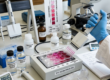
Platelet-rich plasma (PRP) therapy uses a concentrated portion of your own blood to support healing. Clinicians draw a small blood sample, and they spin it in a centrifuge to separate the components. This process isolates platelets, which contain proteins that play a role in tissue repair. Here is more information on the science behind PRP therapy:
Using Your Own Blood
PRP therapy starts with a simple blood draw from your arm. A technician collects the sample, and a centrifuge then separates the plasma from red and white blood cells. Since the material comes from your own body, the risk of an allergic reaction stays low.
The centrifuge spins at a set speed for a few minutes. This step concentrates the platelets into a small volume of plasma, and the provider then prepares it for use. Spinning the sample correctly matters, since the platelet count shapes the final preparation.
Containing Growth Factors
Platelets hold proteins known as growth factors. These molecules signal nearby cells, and they help coordinate the body’s repair response. Since growth factors guide cell activity, researchers study them closely when they examine PRP.
Several growth factors appear in a typical PRP sample, including platelet-derived growth factor (PDGF), transforming growth factor beta (TGF-β), and vascular endothelial growth factor (VEGF). Each factor plays a distinct part in the healing process. PDGF supports cell growth, while VEGF relates to blood vessel formation. When clinicians concentrate platelets, they raise the local level of these proteins at the treatment site.
Reducing Inflammation
Inflammation is a normal part of injury and recovery. PRP interacts with this response, and some studies suggest it shifts the balance of certain signaling molecules. As inflammation affects how tissue heals, scientists track it during PRP research.
The plasma component in PRP also contains proteins that can influence the body’s inflammatory response. Here’s how it helps:
- It can modify the behavior of local immune cells.
- It may reduce the level of inflammatory signaling molecules.
- It helps guide the tissue from an inflammatory state to a repair phase.
Regenerating Tissue
Tissue regeneration describes the way damaged cells rebuild over time. PRP delivers concentrated growth factors directly to the area, and these proteins interact with local cells. Since the signals reach the target tissue, clinicians apply PRP near tendons, joints, and skin.
Providers use PRP across a range of medical settings. Standard applications include the following:
- Tendon and ligament injuries
- Osteoarthritis of the knee
- Hair loss treatments
- Skin rejuvenation procedures
Each application follows its own protocol and schedule. A specialist evaluates the area, and they decide how to prepare and place the PRP. Research in these fields continues, so outcomes vary by study and condition.
Schedule PRP Therapy Near You
PRP therapy involves several steps, from the blood draw to the final injection. A qualified provider explains the process, and they review whether it fits your situation. Since each case differs, a personal evaluation gives you the clearest picture of your options. Talk with a licensed clinician and ask detailed questions about the science and the protocol. Contact a PRP provider near you today to schedule a consultation and discuss your needs.