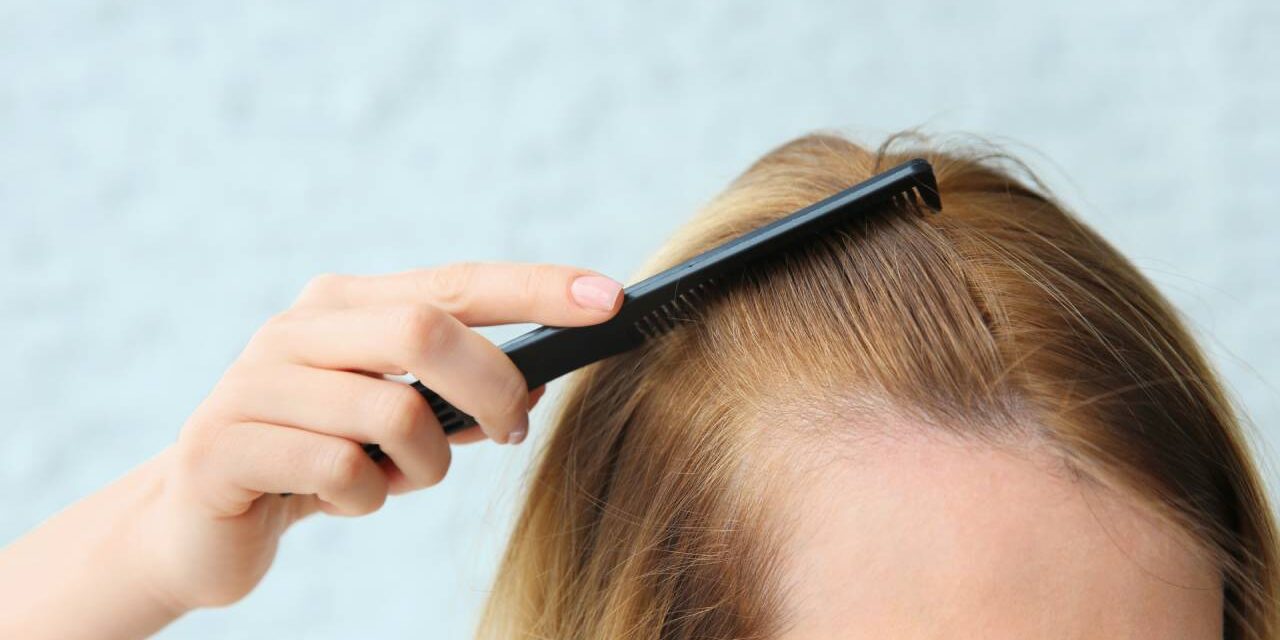
Hair loss occurs as a natural physical process for many adults. If you notice thinning hair or a receding hairline, identify a helpful course of action, such as targeted professional therapies. These address the underlying physical mechanisms that drive hair production, and they range from hormone therapy to nutrition therapy. Here are several hair loss treatment options to explore:
Platelet-Rich Plasma Therapy
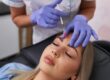
Platelet-rich plasma (PRP) therapy takes advantage of the natural resources already present inside your body. During a standard PRP appointment, a medical professional draws a small amount of your blood. They place this sample into a specialized centrifuge machine. This device spins rapidly, and it separates the platelet-rich plasma from your red and white blood cells. The provider carefully injects this concentrated plasma directly into the targeted areas of your scalp.
Platelets contain high concentrations of specific growth factors, and these physical components play a key role in natural tissue repair and cellular regeneration. By delivering these concentrated growth factors straight to your hair follicles, the procedure aims to extend the active growth phase of your hair cycle. This localized approach targets the physical structures beneath your skin. Patients may schedule a series of initial treatments spaced several weeks apart, followed by routine maintenance sessions to sustain the structural progress.
Bioidentical Hormone Replacement Therapy
Systemic hormonal changes sometimes disrupt normal hair growth and follicle function. Bioidentical hormone replacement therapy is a customized treatment approach; it’s designed to address specific hormonal imbalances. The hormones used are structurally similar to those naturally produced by the body.
Treatment begins with comprehensive laboratory testing ordered by a healthcare provider. These blood panels measure levels of estrogen, testosterone, thyroid hormones, and other relevant markers. A tailored hormone formulation is prepared and administered based on these results. The therapy may involve using topical creams or transdermal patches; subcutaneous pellets are also used in some cases.
By restoring hormonal balance, this therapy supports a stable internal environment for healthy follicle activity. Regular follow-up appointments are required; these help monitor hormone levels and adjust dosing as needed. Ongoing clinical supervision is key to maintain appropriate balance and hair loss treatment effectiveness.
Nutrition Therapy
Hair follicles require a continuous supply of specific raw materials to construct strong strands. Nutrition therapy focuses on optimizing your daily intake of vitamins, minerals, and macronutrients. Hair consists primarily of a protein called keratin. If your diet lacks sufficient protein or specific micronutrients, your body may redirect its available resources away from hair production; this helps support other systemic functions.
A qualified specialist evaluates your current dietary habits, and they identify practical areas for physical improvement. They may order lab work to detect possible nutritional deficiencies, such as low iron, zinc, or specific B vitamins. Based The specialist then builds a structured dietary plan or recommends IV therapy. This customized approach introduces nutrient-dense whole foods and helpful dietary supplements into your daily routine. By supplying your body with consistent, high-quality resources, you can actively support the structural integrity of your hair.
Find a Hair Loss Specialist
Hair loss specialists offer several different treatment options, including PRP therapy, bioidentical hormone replacement therapy, and nutrition therapy. Each option targets specific physiological mechanisms involved in hair production. A specialist helps you determine how these treatment approaches fit into your current routine. Contact a qualified provider today to schedule a comprehensive evaluation; they can help you learn more about these hair loss solutions.