Diabetic eye disease refers to a group of eye conditions that develop in individuals with diabetes, including diabetic retinopathy, diabetic macular edema, and cataracts. These conditions may affect vision and lead to serious complications if left untreated. Here are some preventive care strategies for managing diabetic eye conditions:
Manage Blood Sugar and Pressure
Blood sugar levels play a key role in the health of the blood vessels inside your eyes. When glucose remains high over long periods, it can weaken vessel walls and cause them to leak fluid or blood. High blood pressure puts extra strain on these same vessels, and together they increase the risk of diabetic eye disease.
Work with your primary care provider to set target ranges for both measurements. Check your blood sugar as directed, and take prescribed medications on schedule. The A1C test measures your average blood sugar over the past two to three months, giving your care team a broader view of your progress.
Schedule Regular Eye Exams
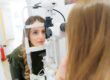
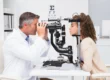
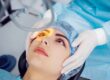
A comprehensive eye exam is a fundamental part of diabetic eye disease prevention. Some eye conditions linked to diabetes develop slowly, and early stages rarely cause pain or blurry vision. An eye doctor uses specialized tools to examine structures that a standard vision screening does not assess.
Understanding Eye Exam Procedures
Your eye doctor begins with a visual acuity test, which measures how clearly you see at various distances. Next, the doctor applies dilating drops to widen your pupils, allowing a full view of the retina and optic nerve. Some practices also use optical coherence tomography (OCT), a scan that produces detailed cross-section images of the retina.
Scheduling Regular Eye Exams
Adults with diabetes should have a dilated eye exam at least once a year. Your eye doctor may recommend more frequent visits if an exam reveals early changes or existing retinal damage. Pregnant women with diabetes often need closer monitoring, and they should contact an eye doctor early in the pregnancy.
Adopt Healthy Lifestyle Habits
Daily habits influence your overall health and affect the blood vessels that supply your eyes. Consistent changes support the blood sugar and blood pressure goals you set with your care team. Contemplate the following habits as part of your routine:
- Eat a balanced diet: Choose vegetables, whole grains, lean proteins, and healthy fats.
- Stay physically active: Get moderate physical activity each week, such as brisk walking or cycling, unless your doctor advises otherwise.
- Quit smoking: Smoking is associated with blood vessel damage and a higher risk of several eye conditions.
- Limit alcohol: Excess alcohol affects blood sugar control and interacts with some diabetes medications.
- Manage cholesterol: High cholesterol is linked to fatty deposits in the retina, so follow your provider’s guidance on testing and treatment.
Recognize Early Warning Signs
Diabetic eye disease often progresses without symptoms in its early stages. Changes in vision usually appear after damage has already occurred, so prompt attention to new symptoms is key. Contact your eye doctor if you notice blurry or fluctuating vision, dark spots or floaters, difficulty seeing at night, or faded colors.
Some symptoms require prompt action. Sudden vision loss or a curtain-like shadow across your field of view requires same-day care; seek help immediately. Do not wait for your next scheduled exam if symptoms appear between visits.
Schedule Your Diabetic Eye Disease Screening
Diabetic eye conditions can progress without noticeable symptoms, so regular screenings are fundamental to detecting and addressing issues early. Be vigilant for changes in your vision, such as blurriness, floaters, or difficulty seeing at night, and act promptly if new symptoms occur. Sudden vision changes, like loss or shadowing, require immediate attention. Contact a qualified ophthalmologist near you to schedule your diabetic eye disease screening today.