Physical activity places high levels of mechanical stress on the lower extremities, necessitating adequate support to prevent injury. Some individuals experience foot pain during physical exertion, so medical professionals recommend specific interventions to address these issues. Orthotic devices and appropriate shoes work together to distribute weight evenly across the foot. Here is more information on orthotics and their role in maintaining an active routine:
What Is Orthotics?
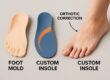
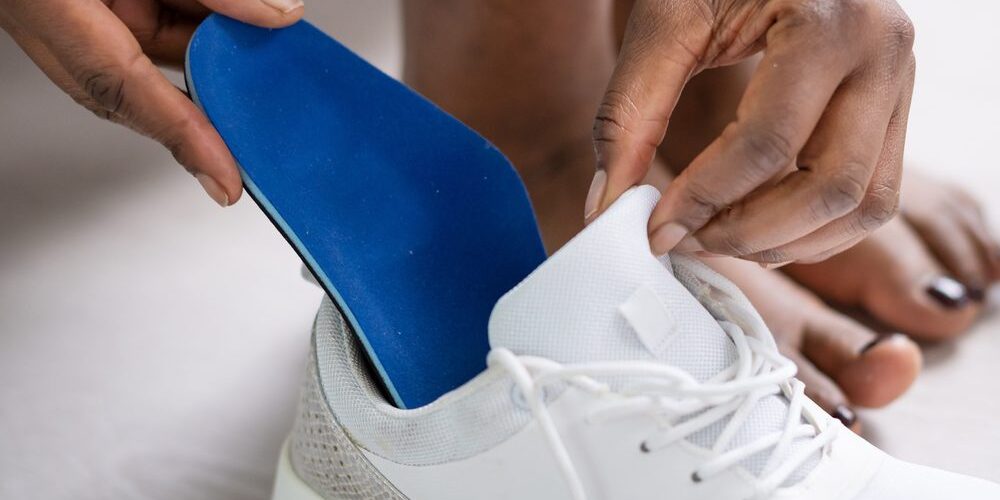
Orthotics are specialized medical devices inserted into shoes, and they are designed to correct biomechanical abnormalities in the feet and lower legs. These devices range from over-the-counter arch supports to custom-molded inserts prescribed by a podiatrist. They alter the angles at which the foot strikes the ground, generating less strain on muscles and joints.
Medical professionals categorize these inserts as functional or accommodative based on the patient’s specific diagnosis. Functional devices use rigid materials such as plastic or carbon fiber, and they control abnormal motion in the foot joints. Accommodative versions use softer materials to provide cushioning, helping to relieve pressure on uncomfortable focal points.
How Do They Work?
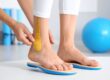
These inserts function by realigning the foot structures to a neutral position. When a person walks, the device absorbs the impact, and it redirects pressure away from sensitive areas. This realignment process helps stabilize the ankle joint during weight-bearing activities. The continuous support reduces fatigue in the lower extremities, and it may promote more efficient movement patterns.
What Is Proper Footwear?
Proper footwear refers to shoes designed with specific structural features to support the foot’s anatomical curves. These shoes may include a firm heel counter, adequate arch support, and a wide toe box. A firm heel counter keeps the back of the foot in place, and a wide toe box prevents the toes from becoming compressed during movement.
Shoe selection requires careful attention to the specific activity the patient intends to perform. Running shoes prioritize forward-motion mechanics, while court shoes offer lateral stability for side-to-side movements. A properly fitted shoe accommodates the foot’s volume, preventing unwanted friction.
What Are the Benefits?
Combining custom inserts with well-designed shoes yields clinical benefits for active individuals. This combination may reduce the incidence of common conditions such as plantar fasciitis, and it helps alleviate general foot and lower back pain. Patients can maintain their daily exercise regimens without discomfort, improving joint health over time.
Supportive footwear may also decrease the risk of developing long-term structural deformities such as bunions or hammertoes. Appropriate gear corrects minor gait deviations, preventing compensatory injuries in the knees and hips. Patients experience a more stable base of support, and they can perform physical activities with greater efficiency.
How Can a Professional Help?
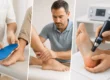
Consulting a medical professional provides a precise assessment of an individual’s specific biomechanical needs, and a podiatrist may conduct a thorough gait analysis. They may also evaluate pressure points on the foot. This clinical evaluation yields valuable recommendations for custom devices, helping the patient receive a targeted treatment plan tailored to their activity level.
Support Your Active Lifestyle Today
Addressing foot mechanics impacts an individual’s ability to remain physically active without pain. Specialized inserts and structural shoes correct underlying alignment issues, and they provide necessary shock absorption during movement. Patients should schedule a clinical evaluation to receive customized recommendations for their specific anatomical needs. Contact a podiatry clinic to discuss evaluation options.