The human foot contains a complex structure of bones, muscles, tendons, and ligaments. This anatomy supports the weight of the entire body and facilitates mobility. Daily activities place significant strain on these structures, resulting in a variety of physical complications over time. Taking active steps to maintain proper foot care can mitigate many common problems. Seeking medical guidance from a foot doctor allows individuals to address symptoms early.
What Issues Can Feet Face?
Individuals can experience a wide range of podiatric conditions that stem from aging, structural imbalances, or systemic illnesses. One prevalent condition is plantar fasciitis. This involves inflammation of the connective tissue running across the bottom of the foot. It typically manifests as heel discomfort, particularly after a long period of rest. Other structural anomalies include bunions and hammertoes. These deformities alter the shape of the toes and can make wearing standard footwear uncomfortable. Tendonitis, stress fractures, and joint inflammation from gout or arthritis also occur frequently.
What Foot Care Methods Address Them?
Maintaining baseline foot health requires a consistent hygiene routine. Washing the feet daily is a primary step, as it helps stop fungal and bacterial growth. Drying the skin completely removes moisture, preventing fungi from multiplying. Trimming toenails straight across helps prevent ingrown toenails. Changing socks at least once a day reduces moisture buildup. Regular visual inspections allow individuals to identify cuts or swelling early.
Footwear choices play a significant role in managing structural strain. Shoes with adequate arch support help distribute body weight evenly, minimizing stress on the plantar fascia. Avoiding walking barefoot helps prevent hookworm infections and reduces the risk of physical injuries. Maintaining a healthy body weight decreases the overall load placed on the lower body.
How Are Conditions Treated?
A foot doctor begins by conducting a comprehensive examination. They review patient history and evaluate gait patterns. Advanced diagnostic imaging, such as MRIs, allows the physician to view bones and soft tissues. These tools detect internal issues without invasive procedures.
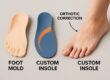
Treatment plans typically begin with conservative management strategies. A doctor may prescribe custom orthotic inserts. These correct walking irregularities and provide targeted arch support. A podiatrist may recommend specific stretching exercises targeting the Achilles tendon and calf muscles, relieving tension in the heel. Medications and localized cortisone injections are also standard interventions for reducing acute inflammation.
When conservative measures do not yield sufficient relief, surgical intervention becomes an option. Surgeons may use minimally invasive surgical techniques to release tight ligaments. They can also remove bone spurs or correct joint deformities. These approaches aim to restore normal function with minimized recovery times.
Speak With Your Foot Doctor
Preparing for an upcoming medical appointment maximizes the value of the visit. Patients should compile a list of all current medications. This includes over-the-counter supplements, since certain drugs can affect blood circulation in the extremities. Discussing specific athletic activities or occupational requirements helps the doctor tailor their recommendations to individual lifestyle needs. Promptly addressing new symptoms with a medical professional remains the standard approach for maintaining long-term mobility.