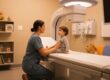
Pediatric medicine focuses directly on the comprehensive health care of growing infants, children, and adolescents. Because young bodies change rapidly over time, regular doctor visits track this continuous physical development. Physicians look for steady growth patterns, and they monitor the child for expected behavioral milestones. Here are some of the benefits of regular checkups in pediatrics:
Immunizations and Vaccines
Approved medical vaccines aim to protect youth against many known infectious childhood bacterial and viral diseases. The trained medical staff safely administers shots, and they update digital health records after completion. Because specific dosing schedules vary by age, the organized pediatric clinic tracks all necessary upcoming doses. You protect your growing child from severe illness through these standard preventative medical shots:
- Routine measles and mumps prevention protocols
- Scheduled tetanus boosters for older kids
- Annual seasonal flu shots for families
Vision and Hearing Screenings
Because young children may not notice subtle sensory deficits, screenings in pediatrics help catch unseen physical issues early. Doctors utilize standard wall charts, and nurses conduct basic tone tests in quiet examination rooms. Prompt sensory detection stops minor physical issues from becoming difficult academic struggles during early school years.
When the patient clearly hears the distinct sound, they may raise a hand upward in response. A standard pediatric hearing test utilizes a series of soft electronic audio beeps. Clinical staff members patiently repeat the audio tones at several varied volume levels. The diagnostic machine accurately records the precise response, and the medical staff logs the final result.
Standard vision exams test basic depth perception, and they check overall color recognition skills. The entire sensory screening process takes only a few minutes to complete in the office. If a trained pediatrician finds valid visual concerns, they refer families to specialized local eye doctors. These swift medical referrals guide parents toward purchasing proper corrective optical lenses.
Weight Management
When growing kids attend their routine checkups, the clinical staff can measure their exact height and weight. Pediatric medical staff plots these specific numerical figures onto standard national growth percentile charts. The doctor reviews the daily nutritional diet, and they suggest fun physical outdoor fitness activities. Sustainable healthy habits typically form early in life through this guided medical nutritional advice.
School Physicals
The attending physician checks moving joints, and they listen closely to the beating human heart. Local educational districts may require signed medical evaluation forms before the academic year officially begins. These comprehensive physical exams clear healthy middle school students for active competitive sports participation. School administrators typically keep these detailed medical records safely on file inside the main campus office.
They ask about previous bodily injuries, and they document all current prescription medication details. The primary healthcare provider reviews the complete family medical history during the scheduled annual visit. This specific medical paperwork guides athletic coaches during rigorous after-school physical team practices. If a student needs specific classroom accommodations, the doctor can write a medical support note.
Schedule a Visit for Pediatrics
Routine medical care builds a strong health foundation for lifelong positive personal wellness. Schedule your next pediatric appointment soon to prioritize your immediate family wellness goals. Since ongoing checkups safely track continuous bodily growth milestones, please call your local primary care practice today. Parents can book upcoming appointments, and local clinics offer various services during operating hours.