The ankle joint consists of an intricate network of bones, ligaments, tendons, and muscles. These structures work together to support the body’s weight and facilitate movement. When an ankle injury occurs, individuals may experience pain, swelling, and reduced mobility.
What Is an Ankle Injury?
An ankle injury arise from a wide variety of sources, and physical activities can lead to structural damage. Athletes might experience a sprained ankle when a ligament stretches beyond its normal range or tears completely. Tendinitis, which involves the inflammation of tendons like the Achilles, often develops from repetitive stress over time.
Direct trauma can fracture the bones within the ankle. Beyond acute injuries, chronic joint conditions play a significant role in ankle discomfort. Structural issues like flat feet or high arches place uneven pressure on the lower extremities, which increases the likelihood of chronic discomfort over time.
How Is One Treated?
Medical professionals determine the appropriate intervention based on the severity and origin of the problem. For minor sprains and strains, doctors generally advise following a rest, ice, compression, and elevation protocol. Keeping weight off the affected limb allows the damaged tissues to begin healing. Applying cold packs and wrapping the joint with an elastic bandage helps minimize initial swelling.
Medical providers can prescribe anti-inflammatory medications, helping to manage pain and reduce joint inflammation. Podiatrists may prescribe custom-fitted orthotics to provide additional arch support and correct abnormal walking patterns. These shoe inserts relieve excessive stress on the ankle joint and support proper alignment.
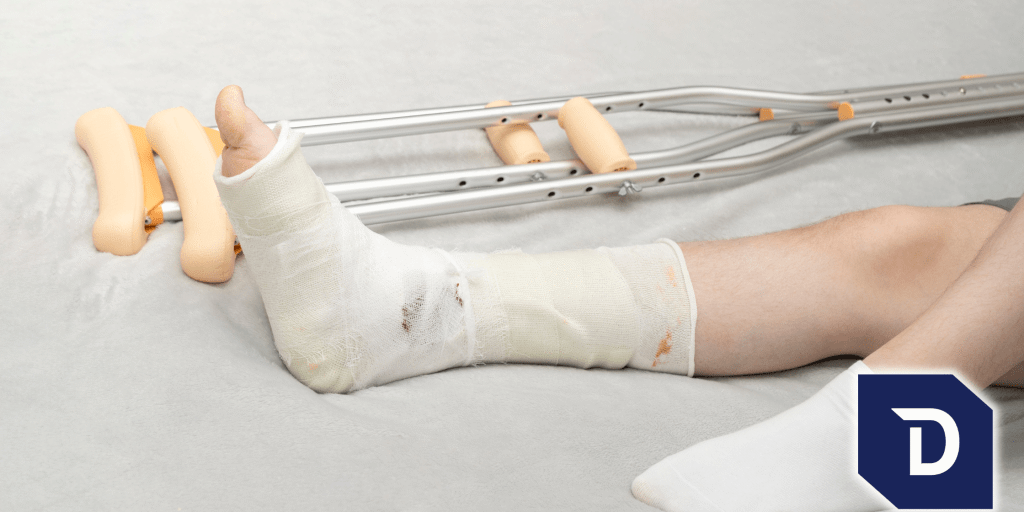
In situations involving structural instability, physicians may recommend immobilization. A patient might wear a rigid walking boot, splint, or cast to restrict movement while bones or ligaments mend. Physical therapy serves as another standard intervention, providing targeted exercises to restore strength and flexibility to the lower leg.
When conservative methods do not yield improvement, surgical intervention becomes an option. Surgeons perform procedures to repair ruptured tendons, realign fractured bones, or fuse arthritic joints. Advanced techniques utilize minimally invasive arthroscopy and can correct internal damage with smaller incisions.
What Does Recovery Involve?
The healing timeline for an ankle condition depends entirely on the specific diagnosis and the chosen treatment plan. Mild sprains generally resolve within a few weeks of rest and basic at-home care. Patients with these minor injuries typically resume their regular daily activities shortly after the initial soreness subsides. Severe fractures or surgical procedures require a much longer rehabilitation phase; individuals recovering from an operation or a major bone break might spend several weeks to several months in a walking boot or cast. During this phase, mild swelling and bruising around the surgical site remain common.
Regaining full function takes time and guided effort. A doctor will monitor your progress through follow-up appointments, adjusting your physical restrictions based on how well the tissues mend. Physical therapy sessions help patients rebuild muscle support around the joint and improve their overall range of motion. Returning to high-impact sports or strenuous occupations demands a gradual approach to prevent reinjury.
Speak Further With a Podiatrist
Every ankle injury presents unique symptoms and requires different rehabilitation timelines. While mild soreness might dissipate with basic rest, persistent or severe pain requires a formal medical evaluation. A podiatrist can perform a thorough examination, order imaging tests, and provide an accurate diagnosis. Discussing your symptoms with a qualified physician helps you formulate an appropriate recovery strategy. Professional medical guidance points you toward the most effective therapies for your specific condition. By seeking expert advice, patients receive the structured care they need to regain mobility and maintain the long-term health of their lower extremities.