High blood pressure, also known as hypertension, is a common health problem affecting millions worldwide. If left untreated, it can lead to serious conditions such as heart disease, stroke, and kidney problems. While medications are often necessary for some people, there are many natural ways to manage blood pressure effectively. Making small lifestyle changes can have a big impact on your health, often without the side effects of medications. This article explores practical strategies you can start today to naturally lower your blood pressure.
Understanding Blood Pressure
Before we dive into natural remedies, it’s important to understand what blood pressure is. Blood pressure measures the force of blood pushing against the walls of your arteries as your heart pumps. It is recorded as two numbers:
- Systolic pressure (the top number): pressure when your heart beats.
- Diastolic pressure (the bottom number): pressure when your heart rests between beats.
A normal blood pressure reading is usually around 120/80 mmHg. Readings consistently above 130/80 mmHg may indicate hypertension. Factors like stress, poor diet, lack of exercise, and genetics can influence blood pressure.
Natural Ways to Lower Blood Pressure
1. Eat a Heart-Healthy Diet
Diet plays a major role in blood pressure management. Focus on foods that are low in sodium, rich in potassium, and full of nutrients that support heart health. Some tips include:
- Increase fruits and vegetables: These are high in potassium, which helps balance sodium levels. Examples include bananas, oranges, spinach, and sweet potatoes.
- Choose whole grains: Brown rice, oats, and whole wheat bread can improve heart health.
- Include healthy fats: Avocados, olive oil, and fatty fish like salmon are excellent choices.
- Limit processed foods: Packaged foods often contain high levels of sodium that can raise blood pressure.
A popular eating plan, the DASH diet (Dietary Approaches to Stop Hypertension), emphasizes these foods and has been shown to lower blood pressure naturally.
2. Reduce Sodium Intake
Sodium, found in salt and processed foods, is a major contributor to high blood pressure. Even small reductions can make a difference. Tips include:
- Avoid adding extra salt to meals.
- Read food labels and choose low-sodium options.
- Cook at home using herbs and spices for flavor instead of salt.
Reducing sodium intake can significantly lower systolic and diastolic blood pressure over time.
3. Maintain a Healthy Weight
Being overweight or obese increases the strain on your heart and arteries, raising blood pressure. Losing even a small amount of weight—about 5–10% of your body weight—can improve your blood pressure numbers.
- Incorporate regular exercise into your routine.
- Make small dietary changes rather than extreme diets.
- Track your progress to stay motivated.
4. Exercise Regularly
Physical activity strengthens your heart, helping it pump blood more efficiently, which lowers blood pressure. Both aerobic and resistance exercises are beneficial:
- Aerobic exercises: Walking, jogging, swimming, cycling, and dancing for at least 30 minutes a day, five days a week.
- Strength training: Lifting weights or using resistance bands two to three times a week.
Even moderate activity, like brisk walking, can make a significant difference over time.
5. Manage Stress
Stress can temporarily raise blood pressure and, if chronic, may contribute to long-term hypertension. Managing stress naturally is key:
- Practice deep breathing or meditation daily.
- Try yoga or tai chi, which combine movement and mindfulness.
- Engage in hobbies you enjoy, like reading, gardening, or painting.
Reducing stress not only lowers blood pressure but also improves overall mental health.
6. Limit Alcohol and Avoid Smoking
Both alcohol and tobacco can increase blood pressure:
- Alcohol: Drinking in moderation is important. For men, limit to two drinks per day; for women, one drink per day.
- Smoking: Nicotine raises blood pressure temporarily and damages blood vessels. Quitting smoking can improve heart health almost immediately.
7. Get Enough Sleep
Poor sleep is linked to high blood pressure. Adults should aim for 7–9 hours of quality sleep per night. Tips for better sleep:
- Maintain a consistent sleep schedule.
- Create a calming bedtime routine.
- Avoid screens and caffeine close to bedtime.
8. Include Natural Supplements and Foods
Some foods and natural supplements can support healthy blood pressure:
- Garlic: Known for its blood pressure-lowering effects.
- Green tea: Rich in antioxidants that improve heart health.
- Beetroot: Contains nitrates that relax blood vessels.
- Omega-3 fatty acids: Found in fish oil or flaxseed.
Always consult your doctor before starting any supplements, especially if you are on medication.
9. Monitor Your Blood Pressure at Home
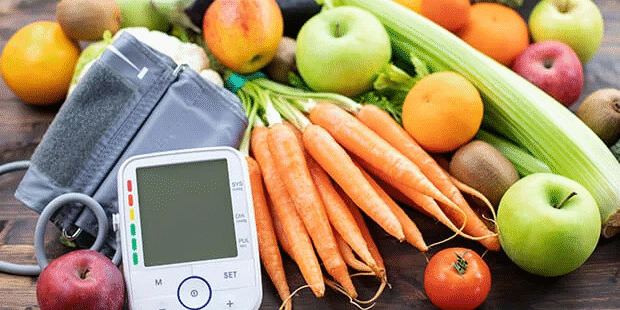
Regular monitoring helps track your progress and alerts you to changes. Home blood pressure monitors are easy to use and provide valuable information for managing your health. Keep a log and share it with your doctor during check-ups.
10. Stay Consistent
Consistency is the key to natural blood pressure control. Incorporating these lifestyle changes gradually and sticking with them over time can lead to lasting improvements in your health. Remember, small, steady changes often yield better long-term results than drastic, short-term efforts.
Frequently Asked Questions (FAQs)
1. Can high blood pressure be lowered naturally without medication?
Yes, many people can lower their blood pressure through lifestyle changes such as diet, exercise, stress management, and avoiding alcohol and smoking. However, some may still need medications, depending on their condition.
2. How long does it take to see results from natural methods?
Results vary by individual. Some people may see improvements in a few weeks, while others may take several months. Consistency is crucial.
3. Which foods are best for lowering blood pressure?
Fruits, vegetables, whole grains, beans, nuts, fish, and low-fat dairy are excellent choices. Reducing processed and salty foods is equally important.
4. Is exercise really effective for lowering blood pressure?
Absolutely. Regular aerobic exercise, like walking, swimming, or cycling, can reduce systolic and diastolic blood pressure significantly over time.
5. Can stress really affect blood pressure?
Yes, stress can temporarily raise blood pressure. Chronic stress may contribute to long-term hypertension. Relaxation techniques and hobbies can help manage stress levels.
Conclusion
Lowering blood pressure naturally is achievable through a combination of healthy eating, regular physical activity, stress management, and lifestyle adjustments. By making gradual and sustainable changes, you can improve your heart health, reduce your risk of serious diseases, and feel more energetic and balanced in your daily life. Remember, even small steps—like adding more vegetables to your meals, taking a daily walk, or practicing mindfulness—can make a big difference over time.
This article is human-readable, easy to follow, and unique with practical tips a