In recent years, the world of health and wellness has evolved rapidly. People are no longer just interested in dieting or gym workouts—they are looking for ways to improve overall well-being, mental health, and lifestyle habits. Staying updated with the latest health and wellness trends can help you make better choices and lead a happier, healthier life.
In this article, we’ll explore the most popular trends in health and wellness today, explain why they’re gaining popularity, and provide tips on how to incorporate them into your daily routine.
1. Personalized Nutrition
One of the biggest trends in wellness is personalized nutrition. Instead of following generic diet plans, people now focus on what works best for their own body. Thanks to advances in technology and genetics, nutritionists can analyze your DNA, gut health, and metabolism to recommend the foods that suit you the most.
Why it matters: Not every diet works for everyone. Some people thrive on low-carb diets, while others feel better with plant-based meals. Personalized nutrition helps reduce guesswork, improves energy levels, and can prevent health problems in the long run.
How to try it: Start by consulting a nutritionist who offers DNA or microbiome testing. You can also track how your body responds to certain foods using a food diary or health app.
2. Mindful Movement
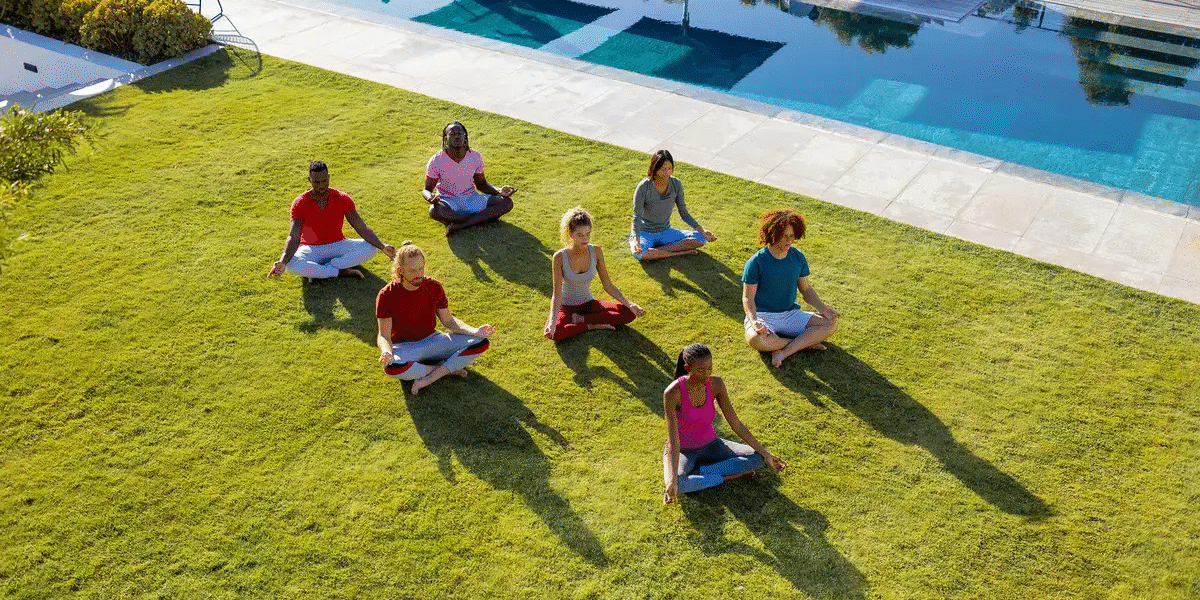
Exercise is no longer just about burning calories or building muscles. Mindful movement emphasizes awareness and mental presence while exercising. Practices like yoga, Pilates, tai chi, and even mindful walking help you connect your mind and body.
Why it matters: Mindful movement reduces stress, improves flexibility, and enhances mental clarity. Unlike high-intensity workouts that focus purely on physical results, mindful movement encourages you to listen to your body and prevent injuries.
How to try it: Dedicate 20–30 minutes a day to mindful movement. Focus on slow, controlled motions, deep breathing, and paying attention to how your muscles feel.
3. Mental Health as a Priority
The awareness around mental health has grown tremendously. People are now embracing therapy, meditation, and digital mental health tools as part of their wellness routine. Apps for meditation, mood tracking, or stress management are booming in popularity.
Why it matters: Mental health affects every aspect of life, from relationships to work performance. Prioritizing your mental well-being can lead to better sleep, more productivity, and a positive mindset.
How to try it: Incorporate short daily meditation sessions, use journaling to track emotions, or seek professional counseling if needed.
4. Plant-Based and Flexitarian Diets
Plant-based eating continues to trend worldwide. However, not everyone is going fully vegan. The flexitarian diet, which combines plant-based meals with occasional animal products, is becoming more popular.
Why it matters: Plant-based diets reduce the risk of chronic diseases, improve digestion, and are environmentally friendly. A flexitarian approach gives you flexibility while still promoting health.
How to try it: Replace one or two meals a day with plant-based options like legumes, vegetables, and grains. Experiment with meat alternatives and plant-based snacks.
5. Wearable Health Technology
Wearable devices are transforming how we monitor our health. Smartwatches, fitness trackers, and even smart rings can track heart rate, sleep patterns, activity levels, and more. Some devices can alert you to irregular heartbeats or stress levels.
Why it matters: Data-driven health tracking helps you understand your body better and make informed decisions. It can also motivate you to stay active and improve sleep quality.
How to try it: Invest in a wearable device and sync it with an app. Set realistic daily goals for steps, sleep, and activity levels, and gradually improve.
6. Sleep Optimization
Good sleep is essential for health, yet many people struggle with sleep quality. The trend now is sleep optimization, using tools and routines to improve rest. This includes sleep apps, weighted blankets, blue-light blocking glasses, and relaxing bedtime rituals.
Why it matters: Quality sleep boosts immunity, mental clarity, and mood. It also reduces the risk of obesity, diabetes, and heart disease.
How to try it: Create a sleep-friendly environment by keeping your room dark and cool, limiting screen time before bed, and following a consistent sleep schedule.
7. Gut Health Awareness
Gut health is a buzzword in the wellness community. A healthy gut impacts digestion, immunity, and even mental health. Probiotics, prebiotics, fermented foods, and fiber-rich diets are becoming essential components of wellness routines.
Why it matters: A balanced gut microbiome improves digestion, reduces inflammation, and enhances nutrient absorption.
How to try it: Incorporate foods like yogurt, kimchi, kefir, sauerkraut, and whole grains into your diet. Consider consulting a nutritionist for gut-friendly supplements if needed.
8. Holistic Wellness Practices
Holistic wellness looks at the mind, body, and spirit connection. Practices like acupuncture, aromatherapy, sound healing, and energy therapy are growing in popularity. People are seeking natural and integrative approaches to maintain overall well-being.
Why it matters: Holistic practices can reduce stress, enhance relaxation, and improve energy balance.
How to try it: Explore one or two holistic practices at a time and observe how your body responds. Consistency is key to seeing benefits.
9. Sustainable Wellness
More people are linking personal health with planetary health. Sustainable wellness focuses on eco-friendly choices like plant-based diets, reusable products, organic skincare, and reducing single-use plastics.
Why it matters: Sustainable wellness helps the environment while also promoting healthier lifestyles. Choosing cleaner, greener products often reduces exposure to harmful chemicals.
How to try it: Start by reducing meat intake, buying locally grown produce, using reusable water bottles, and choosing natural skincare products.
10. Community and Social Wellness
Finally, wellness is no longer just about individual habits. Community and social connections are now considered essential for a healthy life. Group fitness, wellness communities, and online support networks help people stay motivated and accountable.
Why it matters: Human connection reduces stress, improves mood, and promotes a sense of belonging.
How to try it: Join a fitness class, wellness forum, or local hobby group. Engage in activities that encourage social interaction while promoting health.
Conclusion
The latest health and wellness trends go beyond just diet and exercise—they are about creating balance in all aspects of life: physical, mental, and social. Personalized nutrition, mindful movement, mental health prioritization, sleep optimization, and community engagement are just some of the ways people are redefining wellness in 2026.
Adopting even a few of these trends can lead to noticeable improvements in energy, mood, and overall quality of life. Remember, wellness is a journey, not a destination. Start small, stay consistent, and enjoy the process of becoming a healthier, happier version of yourself.
FAQs About Latest Health and Wellness Trends
1. What is the most important wellness trend to follow?
While all trends have benefits, mental health and sleep optimization are often considered foundational. Without good mental well-being and proper rest, other wellness efforts may be less effective.
2. How can I start personalized nutrition on a budget?
You don’t need expensive tests right away. Start by tracking your meals, noticing which foods give you energy, and reducing processed foods. Later, you can consult a nutritionist for personalized advice.
3. Are wearable devices really helpful for health?
Yes! Wearables provide valuable data on activity, sleep, and heart health. However, they are tools, not solutions—you still need to make healthy lifestyle choices.
4. How can I improve gut health naturally?
Eat fiber-rich foods, fermented foods, and avoid excessive sugar and processed items. Staying hydrated and managing stress also supports a healthy gut.
5. Can holistic wellness practices replace conventional medicine?
Holistic wellness is complementary, not a replacement. Practices like acupuncture or aromatherapy can support health, but serious medical conditions should always be addressed by a healthcare professional.