Heart disease is an umbrella term for various conditions that affect the heart, and it affects millions of adults globally. Medical professionals use various tools to find issues early because early detection improves patient outcomes. A doctor performs screenings to assess your risk of heart disease. Here is more information about stress testing and the role it plays in early detection of heart disease:
Understanding Heart Disease Causes
Plaque builds up in your arteries over time, and this buildup restricts blood flow. Your physician might recommend stress testing to check your cardiovascular health. Because high blood pressure contributes to artery damage, doctors monitor these levels closely. Medical experts treat these underlying conditions early.
Here are some of the conditions that fall under the umbrella of heart disease.
- Coronary Artery Disease: Caused by plaque buildup in the arteries, leading to reduced blood flow to the heart.
- Heart Arrhythmia: Refers to irregular heart rhythms, which may be too fast, too slow, or erratic.
- Heart Failure: A condition where the heart is unable to pump blood effectively to meet the body’s needs.
- Congenital Heart Defects: Structural issues in the heart present at birth, affecting its normal development and functioning.
- Cardiomyopathy: A disease of the heart muscle that makes it harder for the heart to pump blood to the rest of the body.
- Pericardial Disease: Disorders that involve the pericardium, the protective sack surrounding the heart, often resulting in inflammation or fluid buildup.
- Valvular Heart Disease: Occurs when heart valves fail to open or close properly, disrupting blood flow.
- Peripheral Artery Disease: A condition where narrowed arteries reduce blood flow to the limbs, often associated with circulation issues linked to heart health.
Each of these conditions requires precise diagnosis and targeted treatment. If you suspect any symptoms or have risk factors, consulting with a healthcare professional can help you get the care you need.
Reviewing Stress Test Goals
A stress test measures how well your heart can handle the workload of pumping blood through the circulatory system. As your body works harder, it needs more oxygen, and the heart must pump more blood. The primary goal is to reveal restricted blood flow. Doctors use this information, and they diagnose coronary artery disease.
Exploring Stress Testing Types
Medical facilities offer a few main test variations. Each method provides details about your cardiovascular system, and cardiologists select the appropriate option for your situation. If you need a test, you might undergo one of the following procedures:
- Stress electrocardiogram: You walk on a treadmill while electrodes record your electrical activity.
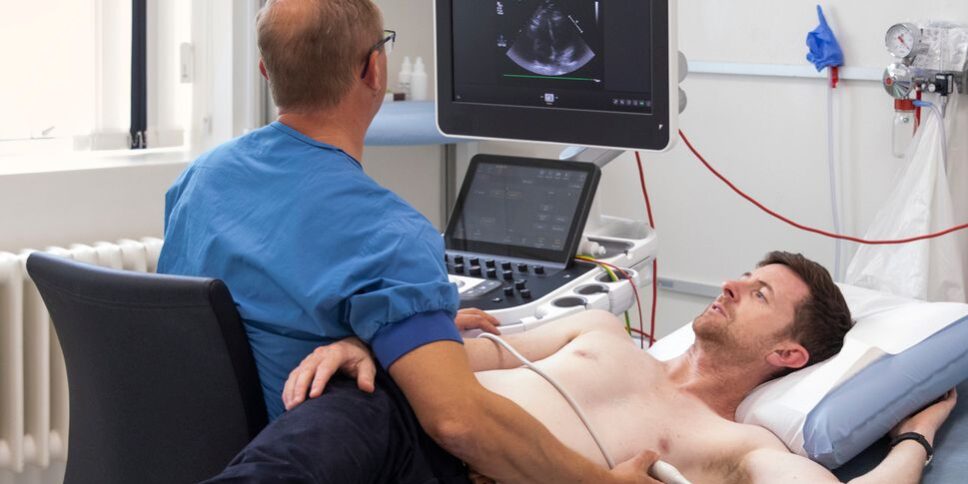
- Stress echocardiogram: Sound waves create pictures of your heart before and after exercise.
- Nuclear stress test: A doctor injects a safe radioactive substance, and a special camera takes images of your blood flow.
With the results of the stress test, the doctor can provide guidance or prescriptions to address any abnormalities or diagnosed conditions.
Learn More About Stress Testing
Heart disease affects many individuals, and early detection makes a difference. Medical professionals use various evaluations to monitor your cardiovascular system. If you want to learn more about the benefits of stress testing, consult a cardiovascular specialist near you.