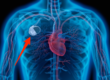
Cardiology focuses on diagnosing, treating, and managing conditions that affect the heart and blood vessels. Cardiologists may use diagnostic testing, lifestyle guidance, and medical procedures to address a patient’s specific needs. Here are several ways cardiologists treat heart conditions:
Diagnosing Heart Conditions
Diagnosis is the first step in cardiology care; a cardiologist begins by reviewing your medical history and symptoms. The doctor asks questions about your lifestyle, family history, and daily habits, and this conversation informs the tests that follow. A physical exam checks your pulse, blood pressure, and heart sounds. When these findings suggest a problem, the cardiologist orders further testing to confirm the cause.
Testing often includes an electrocardiogram and an echocardiogram. A stress test measures how your heart responds to physical effort, and blood tests reveal levels that point to specific conditions. If the doctor needs a closer look, they may schedule advanced imaging that maps blood flow through the arteries.
Managing Risks With Treatment
Once the diagnosis is complete, a cardiologist works to lower your risks. Medication and lifestyle changes are the foundation of cardiology care at this stage. The goal is continuous control and consistent steps to support that outcome.
Medication
Medication helps manage conditions that testing reveals, and your cardiologist selects each drug based on your needs. Some medicines lower blood pressure, while others control cholesterol or steady an irregular rhythm. Take these as prescribed, and the doctor adjusts the dose as your results change. Regular check-ins let the cardiologist track how well the treatment works.
Lifestyle Changes
Lifestyle changes support medication, and they play a key role in long-term heart health. A cardiologist may suggest a balanced diet, regular movement, and less salt. You may also receive guidance on quitting smoking or managing stress. When you follow this plan, you give your heart a better chance to remain stable.
Performing Cardiac Procedures
Some conditions require more than medication. Minimally invasive options, such as angioplasty, open narrowed arteries, and doctors often place a small mesh tube called a stent to keep them open. Your cardiologist explains each option, and this discussion helps you understand what to expect.
Other interventions treat rhythm problems, and a pacemaker is one common device. A pacemaker sends steady electrical signals to help the heart maintain a regular beat. When a condition is more complex, the cardiologist may work with a surgical team to plan the safest approach.
Monitoring Long-term Heart Health
Cardiology care continues after treatment, and monitoring keeps your heart on track. A cardiologist schedules follow-up visits, and these appointments measure your progress over time. The following steps outline what long-term monitoring often includes:
- Follow-up appointments: Regular visits let your cardiologist review symptoms and adjust treatment as your condition changes.
- Routine testing: Repeat electrocardiograms and blood tests track how your heart responds to medication and lifestyle changes.
- Pacemaker checks: Device inspections confirm that your pacemaker works correctly and that its battery holds a steady charge.
- Medication reviews: Your cardiologist reviews each prescription and updates the dose as your results change.
- Lifestyle guidance: Continued support on diet, activity, and stress helps you maintain the habits that protect your heart.
Schedule Your Cardiology Consultation Today
Regular cardiology check-ups are fundamental for monitoring heart health and supporting the effectiveness of treatments and preventive measures. Your cardiologist helps safeguard your cardiovascular well-being through diagnostic tests, medication reviews, and personalized lifestyle guidance. Contact a qualified healthcare provider near you to schedule your cardiology consultation today.