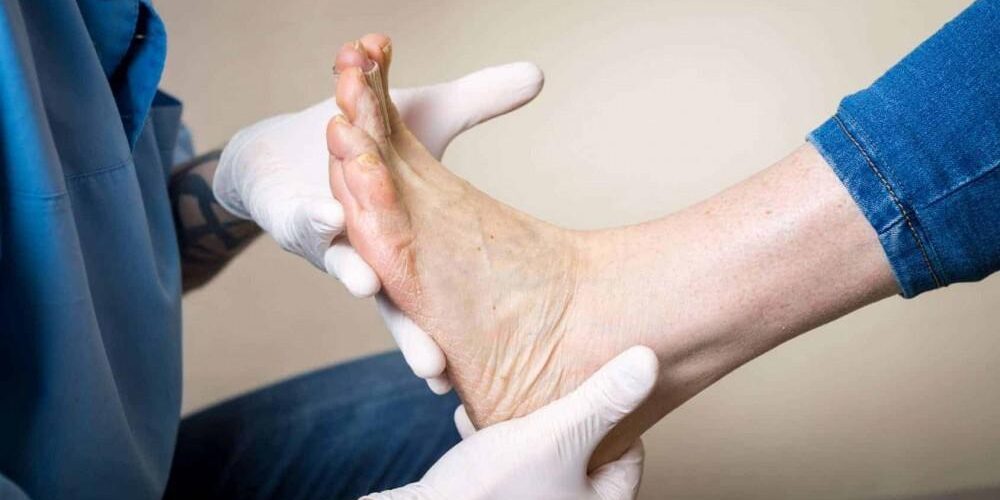
A podiatrist specializes in the study, diagnosis, and management of conditions affecting the foot, ankle, and lower extremities. The foot contains a complex network of bones, joints, ligaments, and muscles that must work together to support body weight and facilitate movement. When issues arise within this intricate structure, a podiatrist offers targeted expertise to address the dysfunction. By evaluating mobility and structural integrity, these specialists guide individuals in maintaining optimal foot health. Here’s more information on podiatrists and how they manage foot problems:
Diagnosing Injuries and Conditions
Proper management of any lower extremity issue begins with a thorough evaluation. When you visit a clinic, the podiatrist conducts a physical examination to pinpoint the location and nature of your discomfort. They evaluate your range of motion, observe your gait, and palpate the affected areas to check for swelling or tenderness. Depending on your condition, your specialist may use diagnostic imaging tools such as X-rays, ultrasounds, or MRIs to visualize internal structures and identify bone fractures or soft-tissue injuries. Imaging allows your provider to identify the immediate injury and investigate any underlying factors contributing to your condition.
Since foot problems rarely occur in isolation, a thorough assessment accounts for variables such as:
- Improper Footwear
- Repetitive Occupational Stress
- Biomechanical Abnormalities
Podiatrists screen for systemic conditions that manifest in the feet, such as diabetes or peripheral neuropathy. Identifying these root causes allows the specialist to address the source of your problem effectively.
Creating Personalized Care Plans
Because every individual has a unique combination of symptoms and underlying factors, treatment options vary significantly from person to person. Your podiatrist will develop a care plan after your evaluation, tailoring treatments to your anatomical needs and lifestyle requirements. Care plans commonly include physical therapy to strengthen supporting muscles, or your provider might incorporate custom orthotics to correct structural imbalances. Custom orthotics are shoe inserts made from molds of your feet, providing arch support and redistributing pressure during movement.
Modern podiatric care also offers a range of specialized interventions, like laser therapy. Laser therapy is frequently used to reduce tissue inflammation and promote cellular repair. For individuals with compromised circulation or diabetes, professional wound care is a fundamental component of care. Proper wound management involves debridement, specialized dressings, and offloading techniques to protect vulnerable areas and support the healing process.
Following Up
Initial interventions address the immediate injury, but to sustain your functional health, you may need consistent medical monitoring. Following up for long-term care makes sure that the prescribed treatments remain effective for your condition as you heal. During routine follow-up appointments, a podiatrist tracks your progress, reassesses your gait, and makes necessary adjustments to your custom orthotics or physical therapy routines. A podiatrist also provides guidance on selecting appropriate footwear for different activities and advises on routines to maintain flexibility in the lower extremities. Continuous observation helps identify minor changes in foot structure before they develop into significant complications.
Work With a Podiatrist Today
Ignoring persistent foot discomfort can lead to broader mobility issues and negatively impact your daily routine. Addressing symptoms promptly allows a specialist to accurately evaluate your structural health and implement an appropriate management strategy. Early intervention provides the best opportunity for effective management, so you should contact a local clinic to schedule a comprehensive evaluation. To prioritize your foot health, visit a podiatrist when issues arise.