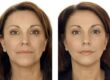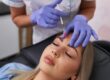
Blepharoplasty is a surgical procedure that modifies the eyelids. The surgery alters the upper or lower eyelid structure and involves the removal or repositioning of skin and fat. When eyelid skin becomes redundant over time, patients may seek surgical evaluation, and clinicians assess whether anatomical correction is appropriate. The eyes contribute to facial appearance, and eyelid contour changes are often evaluated during consultation. Excess skin may fold over the eyelid crease, and fat prominence may affect the lower eyelid shape. Surgical planning focuses on restoring smoother eyelid contours through tissue adjustment.
Addressing Blepharoplasty
The upper eyelid may develop excess skin as elasticity decreases. This can create a hooded appearance, and it may alter eyelid contour. Because redundant skin overlaps the natural fold, surgeons remove excess tissue during upper eyelid procedures and reposition the remaining structures to refine eyelid shape.
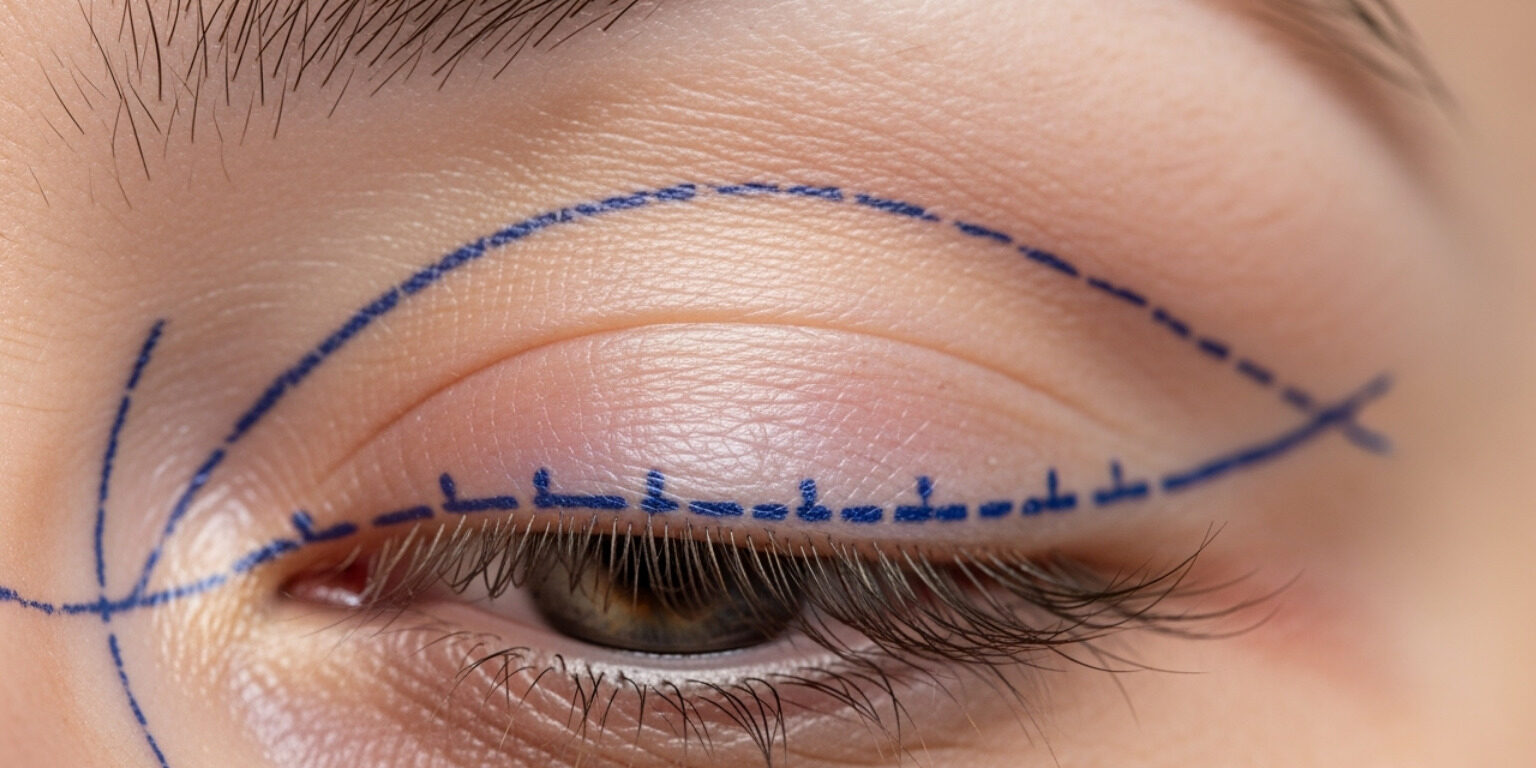
Upper blepharoplasty involves the adjustment of skin and sometimes fat. The procedure targets tissue contributing to eyelid heaviness and reduces excess upper lid folding. When incisions follow natural eyelid creases, surgical access remains concealed within the fold, and tissue is closed to support healing along the eyelid margin. As healing progresses, the eyelid contour reflects reduced redundancy, and the eyelid fold becomes more defined.
Resolving Lower Eyelid Puffiness
The lower eyelids may develop fullness due to protrusion of fat and changes in the skin. Aging and anatomical variation contribute to these features, and fat redistribution or removal may be used during surgery. Because fat compartments influence lower eyelid contour, surgeons adjust these structures, and they may also tighten the surrounding tissue.
Lower blepharoplasty addresses under-eye fullness and contour irregularities. The procedure alters fat position or volume and improves the transition between the lower eyelid and cheek areas. When excess tissue is reduced, the under-eye region appears smoother, and eyelid–cheek junctions become more defined. If hollowing is present, fat repositioning may be used to balance volume distribution.
Enhancing Aesthetic Appearance
Blepharoplasty modifies eyelid structure, thereby affecting facial appearance. The procedure reduces excess upper eyelid skin, and it adjusts lower eyelid fat positioning. When eyelid contour becomes smoother, the eye region reflects less tissue redundancy, and facial symmetry may appear more balanced. Clinical descriptions of outcomes focus on changes in eyelid anatomy rather than emotional or subjective appearance. Surgical adjustment of skin and fat alters eyelid shape, and results depend on individual anatomy and healing response. After recovery, when tissue stabilizes, eyelid structure reflects the surgical modifications, and contour changes remain visible in long-term follow-up assessments.
Talk to a Specialist
Blepharoplasty is a surgical procedure that alters eyelid skin and fat distribution. The operation addresses excess upper eyelid skin and lower eyelid fullness, and it adjusts eyelid contour through tissue modification. When surgeons evaluate eyelid anatomy, they determine the appropriate surgical approach, and they aim to restore structural balance within the eyelid region. Clinical descriptions emphasize anatomical change and contour adjustment rather than subjective outcomes. The final appearance depends on individual tissue characteristics and healing response, and eyelid structure reflects the surgical modifications over time. Talk to a specialist to learn more.