Wound care for seniors requires careful attention because aging skin may heal more slowly and can be more vulnerable to infection, pressure injuries, and other complications. Proper cleaning, monitoring, and medical guidance can support healing and protect overall health. Here are some key elements of wound care for seniors:
Clean and Protect the Wound
Proper sanitation remains a fundamental first step in daily wound care. Dirt enters open cuts rapidly, and microscopic bacteria multiply aggressively in these unprotected environments. Caregivers must follow specific hygiene protocols to clean and protect an injury. A clean environment prevents bacteria from entering the body, thereby reducing the risk of localized cellular infections.
Sterile medical bandages effectively block external contaminants. Although plain water works well for initial washing, sterile saline provides a safer liquid alternative for deep punctures. Caregivers must apply a non-stick dressing to protect the delicate tissue, and they should change the bandage daily while observing the wound site.
Monitor Healing Progress
Daily clinical observation is a key element of wound care. Caregivers must monitor physical tissue changes, and they should record unusual symptoms immediately in a logbook. If caregivers monitor the wound site consistently, they can detect potential complications before they escalate into severe emergencies. Here are specific physical indicators to watch for during the healing phase:
- Drainage levels: Check the bandage for excess fluid daily.
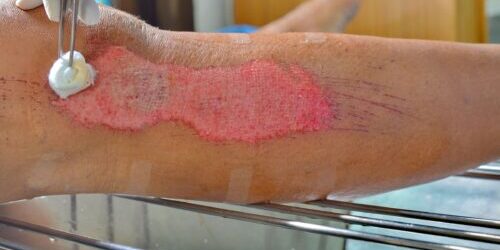
- Tissue color: Healthy tissue appears pink or light red during recovery.
- Skin temperature: Warmth around the edges often signals potential bacterial growth.
Regular clinical assessments provide helpful data for medical professionals. Caregivers must document these visual changes, so doctors can adjust the treatment plan accordingly.
Support Whole-Body Healing
Nutritional intake plays a key role in cellular repair. If seniors consume a balanced diet, their immune system can fight off potential infections effectively. Daily water intake remains a fundamental component of skin health. Dehydrated skin cracks easily, and poor moisture levels may delay the closure of deep cuts. Caregivers should make sure patients drink plenty of fluids daily, and they should monitor urine output to verify adequate hydration.
Physical movement improves overall blood circulation. Stagnant blood deprives tissues of oxygen, but light activity delivers beneficial nutrients directly to the injury site. While senior patients may face specific mobility challenges, light stretching exercises can promote a faster recovery. Managing underlying chronic conditions also supports the skin repair timeline. High blood sugar damages fragile capillary networks, so diabetic patients require strict glucose monitoring.
Know When To Seek Care
Professional medical intervention can prevent severe systemic health emergencies. Home treatments work well for minor wounds, but complex injuries require advanced clinical strategies. Caregivers should contemplate seeing a specialist when specific warning signs appear during the recovery phase. The following symptoms dictate immediate medical attention:
- Increased pain: Sudden or worsening discomfort may indicate underlying tissue damage.
- Foul odors: Unpleasant smells indicate dead tissue or a severe bacterial infection.
- Red streaks: Lines spreading from the wound site suggest an advancing infection.
Prompt clinical evaluation serves as a fundamental safety measure. A specialized physician possesses advanced tools that can safely accelerate the body’s natural repair mechanisms.
Schedule Your Wound Care Appointment
Proper management of complex physical injuries requires diligent medical supervision and a thorough evaluation process. Key assessments, such as skin temperature and blood circulation, are key in identifying and addressing potential complications. If there is any indication of underlying vascular problems, a comprehensive vascular examination is key. Contact a qualified specialist near you to schedule your wound care appointment today.