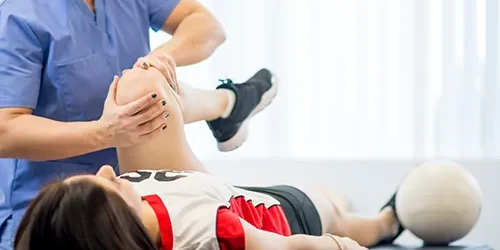
Sports medicine offers a range of specialized treatments to address the challenges of athletic activities and physical exercise. Whether you’re completing solo workouts or participating in organized sports, injuries affecting your muscles, joints, or bones can sometimes happen. Quick identification and the right response support a smoother recovery, and this enables you to return safely to your activities. Here are several sports medicine treatments for different injuries:
Managing Acute Soft Tissue Sprains
Acute sprains can occur when an abrupt force stretches or tears the ligaments connecting your bones. Ankle sprains and wrist sprains are common examples of this mechanical issue. Sports medicine specialists may initially focus on reducing localized swelling and preventing further structural damage. They then implement a standardized protocol; this sometimes involves restricted movement, anti-inflammatory medications, and steroid injections. Once the initial swelling decreases, a physical therapist can introduce specific range-of-motion exercises. These practical movements prevent joint stiffness, and they help rebuild the necessary structural strength around the affected area.
Addressing Repetitive Overuse Injuries
Engaging in the same physical motions repeatedly can lead to overuse injuries. Conditions like tennis elbow or Achilles tendonitis develop gradually; they cause progressive mechanical wear on your tendons and muscles. Treating these issues requires a systematic approach to alter your physical mechanics.
Specialists may begin by advising temporary activity modification to reduce mechanical stress on the injured tissue. They also conduct detailed biomechanical assessments to identify improper movement patterns that contribute to physical strain. Following the assessment, providers outline targeted physical therapy routines. These exercises can correct mechanical imbalances and improve tissue flexibility; they also help reinforce the supporting muscular structures.
Treating Structural Bone Fractures
High-impact collisions or awkward falls sometimes result in structural bone fractures, and these injuries require prompt professional stabilization. The required treatment depends on the location and severity of the structural break. Fractures can occur in the:
- Wrists
- Hands
- Arms
- Ankles
- Legs
For clean, stable fractures, specialists may apply external casts or rigid braces to immobilize the bone completely. If the bone fragments shift out of place, orthopedic surgeons perform internal fixation procedures. They use specialized metal plates, screws, or rods to hold the structural components together mechanically. After the bone heals, patients may transition to structured rehabilitation programs to restore muscle mass and joint function.
Rehabilitating Joint Ligament Tears
Severe rotational forces sometimes cause complete tears in major joint ligaments, such as the anterior cruciate ligament in the knee. These structural injuries compromise the mechanical stability of the affected joint. Sports medicine teams map out comprehensive recovery timelines for these complex cases, and treatment may involve specialized bracing and intensive physical conditioning.
If the joint remains mechanically unstable, surgeons perform reconstructive procedures using tissue grafts to replace the torn ligament. Post-operative rehabilitation forms the foundation of the recovery process. Therapists may guide patients through progressively challenging physical drills. These focus on regaining baseline strength and restoring physical balance; they also help with re-establishing functional movement patterns.
Visit a Sports Medicine Specialist
Each sport or physical activity presents distinct risks and benefits. Sports medicine specialists tailor treatment plans to address sprains, overuse injuries, fractures, and ligament tears based on the specific demands of the activity. These professionals may provide orthopedic surgical intervention when indicated, and they emphasize structured recovery to support a safe return to activity. Consult a sports medicine specialist to evaluate your condition and develop a personalized recovery strategy.