Botox is a purified protein derived from the bacterium Clostridium botulinum. Many people recognize the name from its widespread use in aesthetics, but this medication serves a broad range of purposes across different medical fields. At its core, Botox functions as a neuromodulator. It alters how specific nerves communicate with muscles or glands in the targeted area. By strategically administering this protein, healthcare providers can manage various physical concerns that stem from overactive muscles. Botox works by temporarily interrupting communication between your nerves and muscles. Understanding the science behind this treatment can help you make informed decisions about your care and set accurate expectations for your results.
Mechanism of Action
To understand Botox, it helps to look at how your nervous system controls your body. When your brain wants a muscle to contract, it sends a signal down your nerves, and at the end of the nerve, a chemical messenger called acetylcholine is released. This chemical attaches to the muscle cells. It causes them to shorten, creating movement.
When a professional injects Botox into a specific area, the medication works at a biological level to block this process. The protein binds to nerve endings, and it prevents the release of acetylcholine. Without this chemical signal, the targeted muscle cannot contract. This temporary pause in muscle activity allows the overlying skin to smooth out. It also helps alleviate symptoms caused by involuntary muscle spasms.
Applications of Botox
Botox offers versatile solutions for both aesthetic goals and physical discomfort; healthcare professionals typically categorize its use into two main areas.
Cosmetic Applications
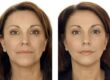
The most widely known use for Botox is in facial aesthetics. Repetitive facial movements, such as frowning, squinting, or smiling, eventually create creases in the skin. Because Botox prevents the underlying muscles from contracting, it softens the appearance of existing lines, and it helps prevent new ones from forming. Common cosmetic areas treated with Botox include horizontal forehead lines, glabellar lines (often called “11s”) between the eyebrows, and fine lines around the eyes.
Medical Applications
Beyond aesthetics, doctors utilize Botox to manage various functional conditions. Medical professionals administer these injections for chronic conditions, but they also use them to manage severe, localized sweating.
Standard medical applications include:
- Chronic migraines: Administered around the head and neck to reduce headache frequency.
- Muscle spasms: Used to manage conditions like cervical dystonia, which causes severe neck muscle contractions.
- Hyperhidrosis: Injected into areas like the underarms to block the nerve signals that stimulate sweat glands.
- Overactive bladder: Applied to the bladder muscle to reduce sudden, frequent urges.
Treatment Process and Recovery
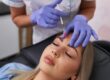
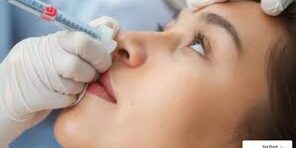
The treatment process is generally straightforward and takes place in an outpatient setting. During your appointment, your provider will discuss your goals and examine the target area. Healthcare providers use a fine needle for the procedure, and patients typically complete their visit within thirty minutes. Most people report only a mild pinching sensation during the injections.
Following the procedure, you can usually resume your standard daily routine immediately. Providers often recommend avoiding strenuous exercise, lying flat, or rubbing the injection site for several hours to prevent the medication from migrating.
You will not see immediate changes. It typically takes a few days to begin noticing a difference, with the maximum effect appearing around two weeks after your visit. The effects of the treatment gradually wear off over time, so patients often schedule maintenance appointments every three to four months to sustain their results.
Ask About Botox Today
Deciding to pursue any treatment requires accurate information and professional guidance; if you are experiencing chronic pain, persistent muscle spasms, or aesthetic concerns, consulting a qualified provider is the next step. A licensed healthcare professional can evaluate your specific situation and review your medical history. They can help you determine if this treatment aligns with your goals. Schedule a consultation today to learn more about Botox and explore your care options.