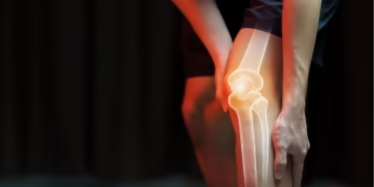
Joint pain can affect comfort, mobility, and the ability to complete everyday tasks with ease. Ongoing discomfort can make simple movements more difficult, but individuals can manage symptoms with the right approach. Here are some effective strategies for managing joint discomfort in daily life:
Supportive Daily Movement Habits
Regular physical activity supports proper joint function and muscle strength. While rest may seem beneficial initially, prolonged inactivity can actually worsen joint pain. Healthcare providers often recommend low-impact exercises, and they monitor the patient’s progress closely.
Stretching routines maintain flexibility in painful joints over time. Patients can stretch their muscles daily and observe gradual improvements in mobility. When stiffness occurs, gentle range-of-motion movements prevent further physical deterioration. Physical therapists design targeted exercise programs, and patients must perform these movements consistently if they want optimal results.
Practical Home Adjustments
Modifying the living environment is a key step in reducing daily physical stress. Patients should evaluate their domestic surroundings, and they should implement ergonomic solutions. When individuals adapt their workspaces, they decrease the mechanical strain on painful joints. Here are some practical adjustments patients should review:
- Weight management: Maintaining an optimal body mass reduces the mechanical load placed on the knees and hips.
- Ergonomic tools: Using supportive chairs and specialized keyboards prevents unnecessary joint pain during daily tasks.
- Proper footwear: Wearing shoes with adequate arch support minimizes impact forces on the lower extremities.
These structural adjustments promote proper body alignment throughout the day. Patients can rely on supportive devices, and they maintain proper posture. Individuals should deliberate on these changes and consult specialists if they need further guidance.
Effective Symptom Relief
Patients can use various therapeutic techniques to manage localized symptoms. Here are some of them:
- Thermal application: Alternating between ice packs and heating pads addresses swelling and stiffness in painful joints.
- Supportive bracing: Wearing orthotic braces restricts harmful movements and stabilizes vulnerable anatomical areas.
- Topical treatments: Applying targeted creams or gels can numb the affected area and reduce localized inflammation.
Consistent application of these methods helps to manage immediate physical symptoms effectively. Clinical teams provide specific instructions, and patients should follow these protocols to achieve reliable relief from joint pain.
Timely Professional Care
Diagnostic processes identify the cause of the joint pain. Clinicians check for acute injuries, and they look for chronic conditions such as osteoarthritis. When patients present with repetitive strain issues, doctors often diagnose bursitis or tendonitis. Identifying these specific conditions requires imaging tests, and specialists review the scans before finalizing the diagnosis.
Medical intervention becomes fundamental when conservative strategies fail to provide relief. Patients should schedule clinical evaluations, and specialists will assess the affected areas. Physicians also perform diagnostic tests to identify structural damage. If the condition requires advanced care, the clinic recommends treatment options, and the doctor explains the procedures in detail.
Schedule Your Joint Pain Appointment
Patients modify their physical habits, and they can apply targeted therapeutic treatments to address daily joint discomfort. When symptoms persist despite these adjustments, medical evaluations become fundamental for the next steps. Identifying the cause of pain dictates the appropriate medical response, and early intervention can prevent further joint deterioration. Contact a qualified pain management specialist near you to schedule your joint pain appointment today.