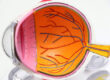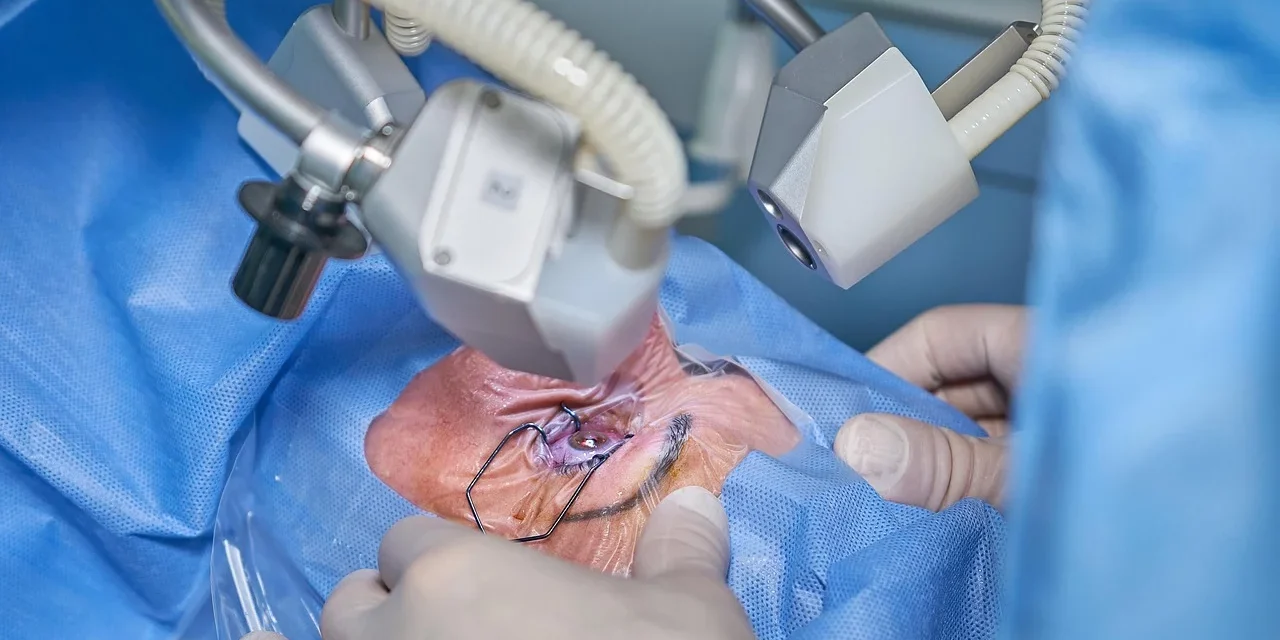
LASIK is a laser eye surgery for common refractive errors, and it treats nearsightedness, farsightedness, and astigmatism. During surgery, a surgeon reshapes the cornea so that light focuses more accurately on the retina. Here is more information on how LASIK compares with glasses and contact lenses:
Avoided Contact Lenses and Glasses
When you rely on glasses or contacts, you take on ongoing costs and daily upkeep. Contact lenses need cleaning and replacement, and glasses need repairs or new lenses. Ongoing tasks include the following:
- Buying replacement lenses and cleaning solution
- Updating prescriptions as your vision shifts
- Replacing scratched, lost, or broken frames
- Managing dry eyes from long hours of contact lens wear
After LASIK, many patients no longer use corrective lenses for most daily activities. This change may help if you play sports, swim, or work in dusty environments. Some people still need reading glasses with age, and some use glasses for night driving.
Permanent Vision Correction
Since LASIK physically reshapes the cornea, the change in its curvature stays in place. Glasses and contact lenses correct vision only during use. You take them off at night, and your eyesight returns to its uncorrected state.
The corneal change from LASIK does not reverse on its own. Your eyes still age, and natural changes may affect your vision later. Some adults develop presbyopia in middle age, which makes close-up reading harder. LASIK does not prevent this condition.
Some patients need a touch-up procedure years later, but many keep stable results for a long time. If your prescription changed recently, your surgeon may recommend waiting for it to stabilize. A stable prescription is typically a requirement.
Immediate Results
Many patients notice clearer vision within a few hours, and some see well the next morning. Full stabilization typically takes several weeks to a few months. While recovery varies, many people return to work within one or two days.
While your eyes heal, you may notice dryness, glare, or halos around lights. These side effects often fade over time, but your surgeon will monitor them at follow-up visits. Expect a check-up the day after surgery. Prescribed eye drops also support the healing process.
High Precision
Modern LASIK relies on computer-guided laser technology. A femtosecond laser creates a thin corneal flap, and an excimer laser reshapes the tissue underneath. Before surgery, your surgeon maps your cornea so that the treatment matches your eye’s unique shape. Glasses correct vision at a fixed distance from the eye, but LASIK changes the eye’s focusing surface directly. Several features support this accuracy:
- Wavefront mapping that measures subtle irregularities in your vision
- Tracker systems that follow small eye movements during treatment
- Laser pulses that remove tissue in microscopic layers
- Treatment plans based on your corneal thickness
Schedule a LASIK Surgery Consultation
If you want to explore LASIK, a consultation helps determine whether you qualify. Bring your current glasses, contact lens details, and medical history. Stop wearing soft contacts about one to two weeks beforehand, and ask your provider for exact timing. Write down your questions about risks, recovery, and costs before the visit.