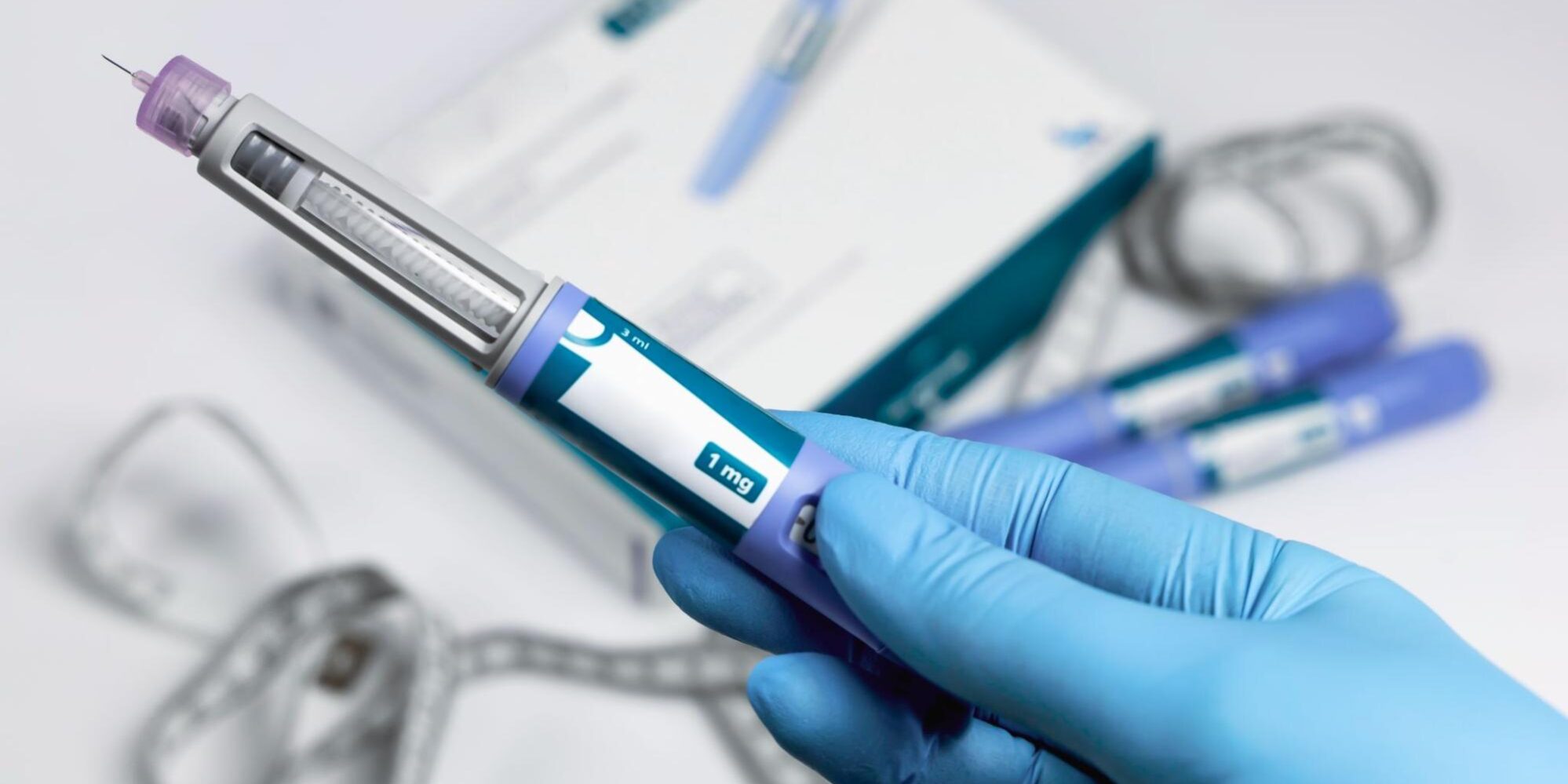
Semaglutide is a prescription medication that supports weight loss when paired with structured counseling. It belongs to a class of drugs called GLP-1 receptor agonists, and it mimics a natural hormone the body releases after eating. Weight loss involves more than willpower because hormones, metabolism and underlying health conditions influence results. When semaglutide is part of a plan that addresses diet and behavior, the medication and counseling support the same objective.
How Semaglutide Works
Semaglutide acts on several body systems. It reduces appetite, and it slows digestion so food remains in the stomach longer. The medication increases insulin release and lowers glucagon production, which helps regulate blood sugar. These effects reduce food intake and promote fullness, so the medication supports dietary changes addressed during counseling.
Using It With Lifestyle Changes
Semaglutide treatment includes a reduced-calorie diet and increased physical activity. The medication is one part of a broader plan, and counseling provides structure throughout treatment. Physician-supervised programs combine nutrition, exercise and behavioral support because long-term weight management involves multiple factors. The medication works alongside those efforts. Counseling addresses habits and routines, and treatment provides medical support as those changes take place.
Reviewing Dosage Options
Semaglutide is available in two forms. The injection is self-administered once weekly under the skin of the arm, abdomen or thigh, and the oral tablet is taken once daily. Patients swallow the tablet whole with a small amount of plain water. A physician selects the appropriate form based on health history and treatment goals because treatment plans vary among individuals.
Tracking Side Effects
Semaglutide carries potential side effects, and supervised treatment helps monitor them. Gastrointestinal symptoms occur most frequently, but they are generally mild and temporary.
Common reactions include:
- Nausea
- Vomiting
- Constipation
- Diarrhea
A physician monitors treatment and adjusts dosing when needed. The medication also carries a boxed warning for thyroid C-cell tumors, which is the strongest warning issued by the FDA, and providers review medical history before treatment begins. Ongoing supervision supports safe treatment because changes can be addressed as they arise.
Measuring Body Composition
Supervised programs track more than just body weight. Providers use InBody technology to measure fat loss, muscle preservation, and overall body composition. These measurements provide information that a standard scale cannot show. Body composition data helps distinguish between different types of weight change. Weight may decrease during treatment, but providers also evaluate how those changes affect muscle mass and body fat. This broader assessment creates a more complete picture of progress.
Counseling sessions review these findings throughout the program. Providers discuss the results, and they use the information to evaluate treatment response over time. Treatment adjustments reflect measured changes rather than weight alone, which helps keep the program aligned with established goals.
Discuss Semaglutide Treatment
Semaglutide is one component of a medically supervised weight-loss program. Counseling, nutrition guidance, and treatment monitoring contribute to the overall approach, and each element supports the others throughout the process. An evaluation determines whether semaglutide is appropriate for a patient’s health history, while follow-up visits help guide treatment decisions over time.