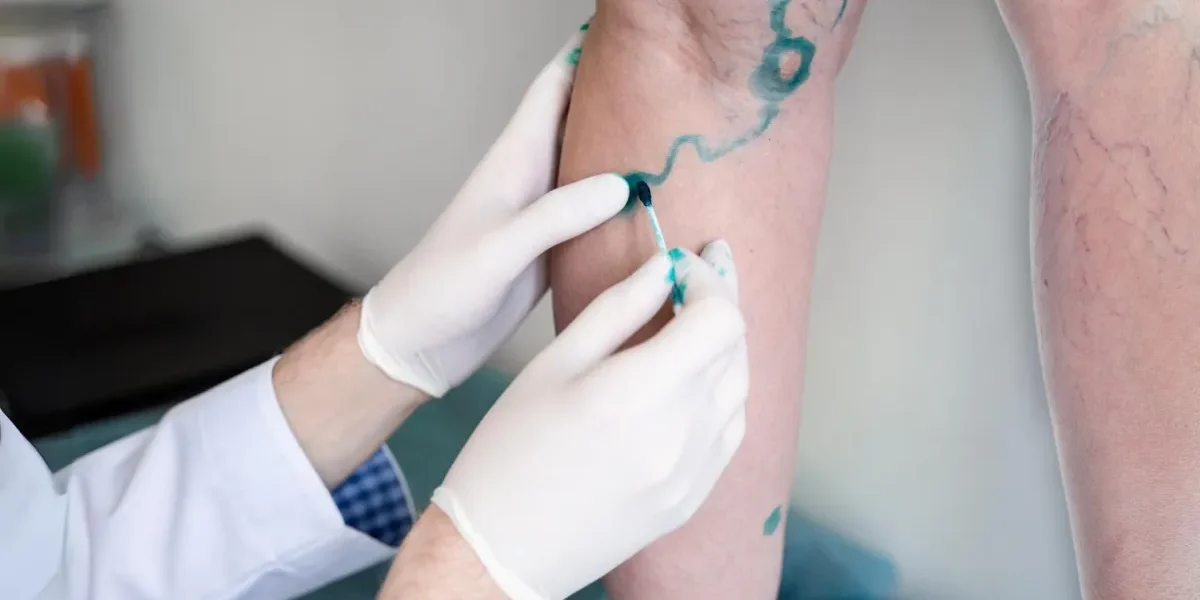
A vein clinic visit evaluates vein-related concerns in the legs and feet, this includes conditions such as varicose veins and venous ulcers. During the appointment, a provider typically examines visible changes, reviews symptoms and medical history, and discusses possible treatment options or next steps. Some visits also include imaging tests, such as an ultrasound, to assess blood flow and vein function more closely. Questions about daily habits, activity level, family history, and prior treatments may also be part of the evaluation. Preparing ahead of time helps support a more organized and productive visit. Here are several ways to maximize your experience at a vein clinic:
Gather Your Health Details
Start by collecting the basic information your provider may request. Bring a list of:
- Current medications
- Supplements
- Allergies
- Past procedures
- Relevant diagnoses
If another provider has already evaluated your vein concerns, bring those records or write down when that visit took place and what was discussed. You should also note when you first saw visible vein changes or began noticing leg symptoms. Include details about whether the issue has stayed stable, become more noticeable, or started affecting daily routines. Specific information gives the vein clinic staff a stronger starting point, and it helps keep the evaluation efficient. If you have a family history of vein concerns, add that to your notes as well.
Track Your Daily Symptoms
Track your symptoms for several days before the appointment. Focus on details such as swelling, heaviness, aching, and throbbing; visible changes in the legs are also key. Write down when symptoms appear and whether they happen after certain activities, such as sitting or walking. This preparation step helps give the provider a more direct view of patterns in your daily routine.
A short symptom record may include:
- The time of day symptoms appear
- Which leg or area is affected
- How often the issue occurs
- What activities seem to increase or reduce symptoms
Wear Practical Clothing
Choose clothing that makes the appointment easier. Loose pants, shorts under a longer layer, or other comfortable items can work well; this gives the provider easy access to the legs during a physical examination. Try to avoid clothing that is difficult to remove or adjust, such as tight shapewear or heavy boots. If the clinic shares instructions before the visit, follow them closely. Offices may ask you to avoid lotion, bring compression garments, or arrive ready for imaging. These details help the appointment move forward without unnecessary interruptions or delays.
Understand the Treatment Options
Vein disease can manifest in various forms, such as spider veins, varicose veins, or chronic venous insufficiency. The appropriate treatment depends on the type and severity of your condition. One treatment for vein disease is sclerotherapy, where a solution is injected into the affected vein to close it off; this method is effective for small varicose veins and spider veins. Larger varicose veins may require minimally invasive procedures like endovenous ablation. Understanding your treatment options allows you to make informed medical decisions, whether you’re contemplating conservative management or procedural intervention.
Visit a Vein Clinic Today
A vein clinic appointment works best when you prepare in advance, communicate clearly, and stay organized afterward. Gathering health details, tracking symptoms, dressing practically, asking direct questions, and following instructions all support a more useful visit. Each step is simple, but together they create a stronger appointment process. If you are planning a visit, take time to prepare and schedule an appointment with a qualified provider today.