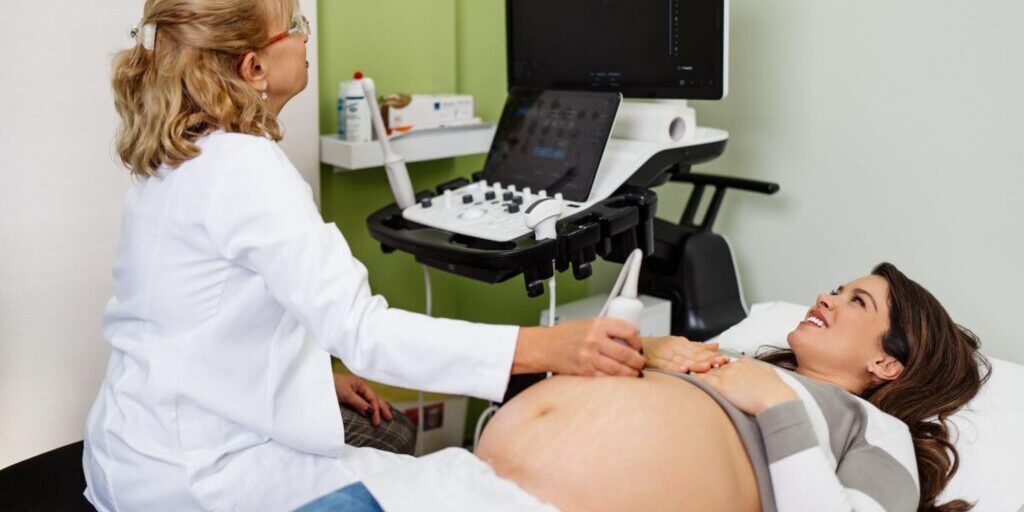
OBGYNs play a key role in reproductive care, but their visits also address broader health topics that affect many aspects of daily life and long-term health planning. These professionals may discuss menstrual patterns, sexual health, preventive screenings, and physical changes that occur over time. Because these topics often overlap with other aspects of health, regular appointments help support a more complete view of your care. Here are some ways OBGYN visits can affect your overall health management:
Supporting Preventive Health
Routine visits with an OBGYN include preventive screenings, physical exams, and discussions about changes in the body. These appointments give you time to review your health history and discuss any concerns or updates since your last visit. Preventive care also includes tracking patterns over time. Changes in cycles, symptoms, or physical comfort may be easier to discuss when you have an established visit schedule. A clear record helps your provider decide what topics need more attention and what follow-up would be helpful. These appointments also allow you to review health habits, current medications, and family history; this broader discussion supports a more organized approach to ongoing care.
Addressing Reproductive and Sexual Health
Reproductive and sexual health are central parts of an OBGYN visit, but they also connect to overall health decisions. Questions about menstruation, birth control, fertility planning, and sexual activity can relate to lifestyle and age. Menstrual changes sometimes prompt discussions about timing and symptoms. Birth control conversations may include daily routines, future plans, and practical preferences.
Sexual health discussions involve screenings and protection methods; they also include reviewing physical symptoms that need evaluation. Some sexual health concerns cause issues in other parts of the body, such as urinary discomfort or lower abdominal pressure. Discussing them with an OBGYN can promote better overall health.
Monitoring Life Stage Changes
Health needs change with age, and an OBGYN helps track those changes through different life stages. Adolescence, pregnancy, postpartum recovery, and menopause each bring new topics for discussion. An OBGYN visit allows you to review what’s changing and what care may be appropriate at that stage. These appointments often include discussions about the following:
- Cycle changes
- Pelvic health
- Contraception
- Pregnancy planning
- Bone health
- Shifts related to menopause
Not every topic applies to every person, but the structure of these visits helps keep care relevant to current needs. This life stage approach also supports better planning. Instead of waiting until a concern interrupts your routine, you can use regular visits to review what needs attention next.
Meet With an OBGYN
An OBGYN visit is not limited to one area of health; it often connects preventive care, reproductive health, and life stage changes. This broader role makes these appointments a useful part of overall health management, helping to detect and treat issues such as endometriosis and dyspareunia. Some professionals also offer hormone replacement therapy to aid with menopause symptoms. By staying organized and keeping up with routine visits, you can create more opportunities for informed, practical care over time. Contact an experienced OBGYN today to discuss their services and schedule an appointment.