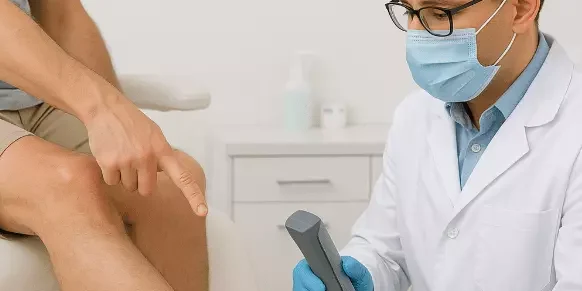
Many individuals experience recurring pain when walking, standing, or engaging in routine physical activities. A podiatrist provides specialized knowledge regarding lower extremity biomechanics and proper footwear, using their clinical findings to offer targeted interventions. These treatments address structural imbalances and relieve ongoing stress on the lower body. One primary therapeutic tool they utilize to correct mechanical issues is the prescription of custom orthotic devices.
What Are Orthotics?
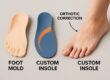
Orthotics are specialized medical devices placed directly inside shoes to support, align, or improve the function of the foot and ankle complex. Retail stores sell standard shoe inserts and offer basic cushioning pads. A podiatrist, on the other hand, prescribes custom orthotics tailored specifically to an individual’s unique anatomical foot structure. Providers can craft these custom options from detailed impressions of the patient’s feet.
Medical practice may utilize two primary categories of custom orthotic devices. Functional orthotics use semi-rigid materials. These firm materials help manage abnormal foot movement and correct gait abnormalities. Accommodative orthotics consist of softer, flexible materials designed to provide extra cushioning. This softer type of insert conforms to the shape of the foot, aiming to relieve excess pressure on specific sensitive areas.
What Conditions Can They Treat?
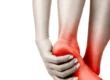
Podiatrists utilize orthotics to manage symptoms associated with a wide variety of lower extremity conditions. Patients with flat feet or fallen arches can receive structural support from these devices. This support helps reduce daily fatigue and limits the inward rolling of the foot. Individuals experiencing plantar fasciitis may use them to cushion the heel, helping to reduce the sharp pain often felt first thing in the morning.
Medical professionals also prescribe orthotic interventions to address localized nerve growths, such as Morton’s neuroma. The devices minimize friction and redistribute pressure away from the space between the toes. Other common applications include managing discomfort from bunions, stiff toe joints, and foot tendonitis.
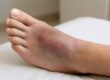
Athletes may rely on orthotics to manage repetitive sports injuries like shin splints or turf toe. For patients with diabetes-related neuropathy, accommodative orthotics can help protect against ulcers by reducing friction on compromised skin. These medical devices serve as a non-invasive treatment method and address structural abnormalities resulting from sprained ankles or chronic joint deterioration.
What Are the Benefits?
Custom orthotics offer distinct advantages over standard over-the-counter shoe inserts. They match the exact contours of a patient’s foot and deliver targeted support precisely where the individual requires it most. The design helps properly distribute body weight across the entire sole, reducing localized strain on specific joints, tendons, and ligaments. Aligning the foot and ankle into a more neutral position may improve overall biomechanics during walking and running. Correcting these fundamental movement patterns over time can alleviate compensatory pain that radiates upward, affecting the knees, hips, and lower back. Implementing orthotic therapy early may sometimes delay the progression of certain deformities.
Consult With a Podiatrist
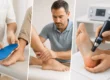
Addressing persistent foot pain requires accurate diagnosis and specialized clinical care. A podiatrist conducts comprehensive clinical evaluations to uncover structural problems. Providers carefully guide patients through the adaptation period after prescribing custom orthotic devices, as the feet and lower legs usually require some time to fully adjust. The body must adapt to the modified biomechanics and new weight distribution. Ongoing follow-up appointments allow the podiatrist to monitor progress and make necessary adjustments to the device.